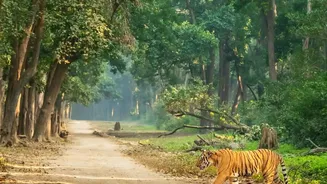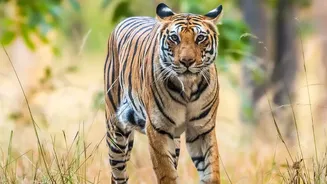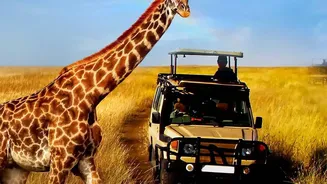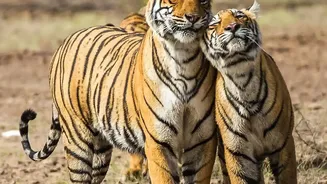




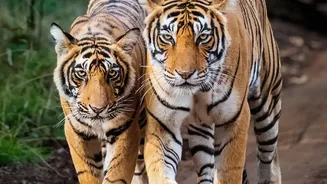
There is a unique magic to an Indian winter safari. The crisp air, the golden light, and the misty mornings create a stunning backdrop for wildlife viewing. For those hoping to spot the country's most iconic big cats, this is a perfect time.
Ranthambore National Park, Rajasthan: The Regal Tiger
Ranthambore
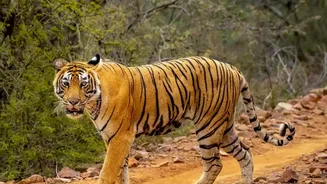
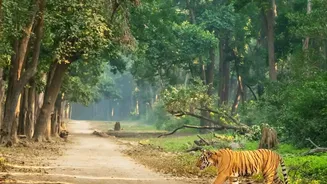
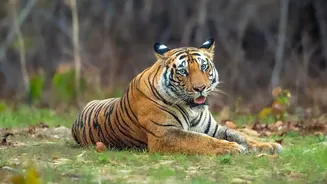
is synonymous with tigers. Its landscape of dry deciduous forests, ancient ruins, and shimmering lakes offers a dramatic stage for spotting the Royal Bengal Tiger. While peak sightings happen in the hotter summer months when animals gather at waterholes, winter provides a more comfortable safari experience. From October to February, the weather is pleasant, and tigers are often seen basking in the sun. The park is divided into 10 zones, with zones 1-5 historically being popular for sightings. However, recent tiger movements are always the best indicator, so rely on your guide's local knowledge. For the best chances, it's recommended to book two to three safaris across different zones and times. Besides tigers, Ranthambore is also home to leopards, sloth bears, and a rich variety of birdlife.
Jawai Bandh, Rajasthan: Land of the Leopard
For a near-guaranteed leopard sighting, look no further than Jawai. Often called the 'Leopard Capital of India', this unique landscape in Rajasthan is not a traditional national park. Here, leopards roam freely among massive granite outcrops, living in remarkable harmony with the local Rabari communities. Safaris in Jawai are conducted in open jeeps and are available year-round without the complex permit systems of tiger reserves. The terrain of rocky hills and caves provides a safe haven for over 50 leopards, which have grown accustomed to human presence and are not considered a threat. Morning and evening safaris offer the best chances to see these elusive cats as they emerge to hunt or bask on the rocks in the golden light. It's an experience that combines incredible wildlife viewing with a fascinating glimpse into local culture.
Jim Corbett National Park, Uttarakhand: A Classic Winter Tale
As India's oldest national park and the birthplace of Project Tiger, Jim Corbett offers a classic wildlife experience. Nestled in the foothills of the Himalayas, its diverse landscape of dense sal forests, grasslands, and the Ramganga River is breathtaking in winter. The winter months, from November to February, are considered an excellent time to visit, with pleasant weather and improved visibility for spotting wildlife. Tiger and leopard sightings are reported to increase during this period as the vegetation thins out. The park is also a birdwatcher's paradise in winter, with hundreds of migratory species arriving. Different zones like Bijrani, Jhirna, and Dhikala offer varied experiences; Dhikala is particularly famous but note that some zones have specific opening dates, often reopening in mid-November after the monsoon.
Satpura National Park, Madhya Pradesh: For the Intrepid Explorer
If you're looking for a quieter, more immersive jungle experience, Satpura is an excellent choice. While it has a growing tiger population, it is particularly well-regarded for leopard sightings. The park's rugged terrain of deep ravines and rocky outcrops is ideal leopard territory, and the lower tiger density means leopards have more space. What makes Satpura truly special is the variety of safari options available. Besides traditional jeep safaris, it is one of the few parks in India where you can go on walking safaris, canoe trips on the Denwa River, and night drives in the buffer zone—all of which increase your chances of spotting nocturnal animals like leopards and sloth bears. Sightings are rated as good compared to other nearby reserves, offering a real chance to see these stealthy cats in a pristine environment.
Essential Tips for Your Winter Safari
A successful winter safari requires some planning. First, book your permits and accommodation well in advance, as winter is a peak tourist season and slots fill up fast—sometimes 6-8 months ahead for popular parks. Second, pack appropriately. Early morning safaris in an open jeep can be extremely cold, so layering is key. Bring warm jackets, gloves, hats, and windproof outer layers. Finally, be patient and manage expectations. Wildlife sightings are never guaranteed. Hire a knowledgeable local guide, listen to their advice, and enjoy the entire forest experience, from the alarm calls of deer to the beautiful winter light. A single safari is often not enough; booking multiple drives increases your odds significantly.