







The Festive Fitness Dilemma
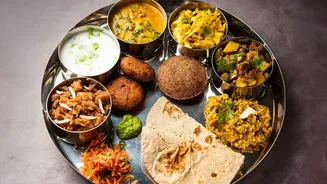
From Navratri and Durga Puja to Diwali, the last quarter of the year is packed with celebrations. This period brings undeniable joy, but also significant challenges for anyone trying to maintain a fitness regimen. Social calendars fill up, travel plans
disrupt routines, and homes are laden with calorie-dense traditional sweets and savoury snacks. The pressure to partake is immense, as food is often an expression of love and hospitality in Indian culture. Refusing a homemade ladoo or skipping a family gathering for the gym can feel almost impossible. This often leads to an “all-or-nothing” mindset, where people abandon their fitness goals entirely, promising to restart in the new year. The result is often unwanted weight gain, stress, and the guilt of derailing months of hard work.
The Rise of the 'Exercise Snack'
Instead of surrendering to the festive bulge, many Indians are now embracing a more realistic approach: shorter, more frequent exercise sessions. Often called “exercise snacking,” this trend involves breaking down physical activity into brief, manageable bursts throughout the day. Think of it as a 15-minute high-intensity session in the morning, a brisk 10-minute walk after lunch, or a few sets of squats and push-ups before heading out for a party. This strategy challenges the long-held belief that a workout only “counts” if it lasts for an hour. The focus shifts from duration to consistency, making fitness more accessible when time is the scarcest resource.
Science-Backed Benefits in Minutes
The power of short workouts is backed by science. High-Intensity Interval Training (HIIT), which involves short bursts of all-out effort followed by brief recovery periods, is particularly effective. Studies show that even a few minutes of intense activity can deliver significant health benefits. These short sessions can boost your metabolism, improve how your body uses oxygen, and enhance cardiovascular health. Research indicates that quick workouts help muscles use glucose from the bloodstream more effectively, which can help regulate blood sugar levels after a festive meal. Furthermore, these brief, intense efforts can keep your metabolic rate elevated even after you’ve stopped exercising, helping you burn more calories throughout the day.
Beating the All-or-Nothing Mindset
Perhaps the greatest benefit of shorter workouts during the festive season is psychological. Committing to a 10 or 15-minute session feels far less daunting than a full hour, making you more likely to stick with it. This consistency helps you stay in a positive routine and avoids the guilt and frustration that come with skipping workouts altogether. Even brief physical activity can release endorphins, the brain's “feel-good” chemicals, helping to reduce stress and improve your mood during a hectic time. By adopting a “something is better than nothing” philosophy, you maintain momentum and find it much easier to transition back to your regular fitness schedule once the festivities are over.
How to Fit It All In
Integrating short workouts into your festive schedule is easier than you think. The key is to plan ahead and seize small windows of opportunity. You don’t need a gym or fancy equipment. Try a quick bodyweight circuit of squats, lunges, and planks when you wake up. Take the stairs instead of the lift whenever possible. Turn up the music and have a dance-off with your family—it’s a fun way to get everyone moving. Even a brisk walk around the block while on a phone call counts. Aim for 15-20 minutes of dedicated movement in the morning, as evenings are more likely to be filled with social commitments. The goal is to accumulate activity throughout the day, proving that you can celebrate wholeheartedly without sidelining your health.