


Beyond Meat and Eggs
When you think of Parsi food, dishes like Salli Boti, Patra ni Machi, and the quintessential Dhansak often come to mind. The cuisine, with its roots in Persia and influences from Gujarat, is unapologetically fond of meat and eggs. In fact, it is a common
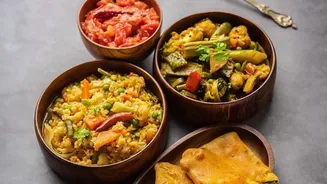
Parsi tradition to top vegetable dishes with a fried egg, a practice known as 'per eedu'. Yet, this perception overlooks the quieter, but equally delicious, vegetarian traditions within the community. The Parsi culinary identity was shaped when Zoroastrians migrated from Persia and settled on the west coast of India. They blended their Persian love for nuts, dried fruits, and stewed meats with Indian ingredients like coconut, ginger, garlic, and an array of spices. This meeting of cultures created a unique 'khattu mithu' (sweet and sour) flavour profile and, despite the focus on non-vegetarian fare, a space for remarkable vegetable dishes to evolve.
The Rise of 'Vegetable Meat'
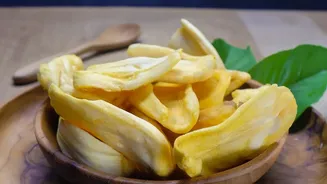
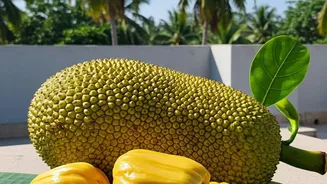
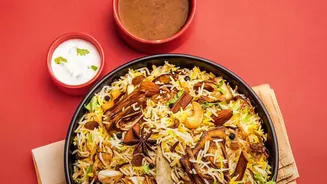
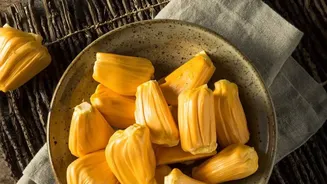
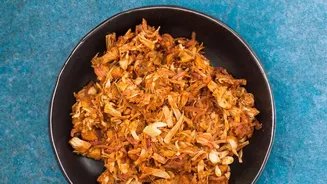
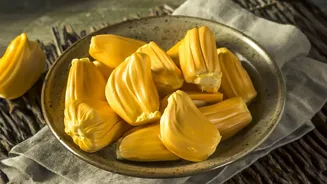
Enter kathal, the raw jackfruit. Known for its fibrous, meat-like texture, jackfruit has been a staple in South and Southeast Asian cuisine for thousands of years. Often called the 'poor man's food' for its affordability and abundance, this giant fruit is incredibly versatile. When unripe, its neutral taste allows it to absorb spices beautifully, making it an ideal substitute for meat in everything from curries to biryanis. While Parsi cuisine doesn't have a deep, ancient history with jackfruit in the way southern Indian states do, its textural qualities made it a natural fit. For a community that loves its meat, a vegetable that could mimic its satisfying chew was a welcome addition, allowing for the creation of robust vegetarian meals that didn't feel like a compromise.
Parsi Kathal Nu Shaak: The Recipe
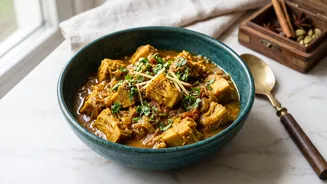
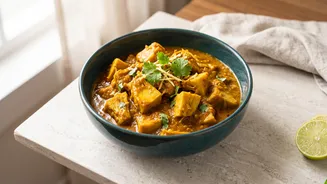
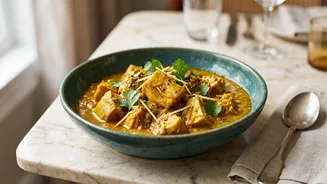
This recipe for a Parsi-style kathal curry, or 'shaak', is a beautiful example of this culinary adaptation. It combines the 'vegetable meat' with a classic Parsi masala base, creating a dish that is both hearty and flavourful. It is a nod to the Gujarati influence on Parsi cooking, where 'shaak' (cooked vegetables) are a daily staple. You will need: 500g raw jackfruit (kathal), peeled and cubed 2 large onions, finely chopped 3 large tomatoes, puréed 1 tablespoon ginger-garlic paste 2-3 green chillies, slit 1 teaspoon cumin seeds 1 teaspoon turmeric powder 1 teaspoon red chilli powder (or to taste) 1 teaspoon coriander powder 1 teaspoon Parsi dhana jeera masala (a blend of cumin and coriander seeds) ½ teaspoon garam masala A small piece of jaggery (for the 'mithu' flavour) A splash of vinegar (for the 'khattu' flavour) Salt to taste 3 tablespoons oil or ghee Fresh coriander for garnish
Method: A Step-by-Step Guide
Preparing jackfruit can be tricky due to its sticky sap. It is best to oil your hands and knife before you begin. After cutting the kathal into cubes, it's a good idea to soak them in saltwater to prevent them from browning. 1. Begin by pre-cooking the kathal. You can either pressure cook the cubes with a little salt for about 2-3 whistles or until tender, or you can deep-fry them until they are golden brown and set them aside. Frying adds a wonderful texture. 2. In a large pan or kadai, heat the oil or ghee. Add the cumin seeds and let them splutter. 3. Add the finely chopped onions and sauté until they turn soft and golden brown. This caramelization is key to the flavour base. 4. Stir in the ginger-garlic paste and green chillies, cooking for another minute until the raw smell disappears. 5. Add the tomato purée and cook until the oil starts to separate from the masala. 6. Now, add the dry spice powders: turmeric, red chilli, coriander, and Parsi dhana jeera masala. Sauté for a minute. 7. Add the pre-cooked kathal to the pan and mix gently to coat it with the masala. Add salt, jaggery, and vinegar. Stir well. 8. Pour in about a cup of water, bring it to a simmer, then cover the pan and let it cook on low heat for 10-15 minutes, allowing the jackfruit to absorb all the flavours. 9. Finish by stirring in the garam masala and garnishing with fresh coriander.
Serving a Piece of History
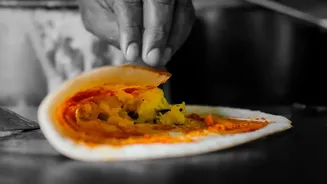
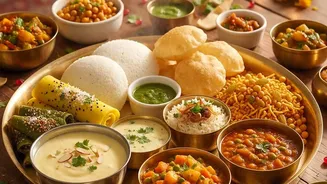
This Parsi Kathal Nu Shaak is more than just a meal; it's a story on a plate. It represents the beautiful adaptability of Parsi culture, which absorbed local ingredients while retaining its distinct Persian-influenced identity. The dish carries the signature sweet, sour, and spicy notes that define Parsi cooking. Serve it hot with fluffy rotis (flatbread) or alongside a simple 'mauri dal' (yellow lentil dal) and steamed rice for a truly comforting and complete Parsi vegetarian experience. It's a taste of history that proves the vegetarian side of this celebrated cuisine is just as exciting and full of flavour.