

The Problem with Prolonged Sitting
Our bodies are not designed to sit for eight hours a day. When we stay in a seated position for extended periods, it creates a cascade of physical issues. The muscles in our hips, known as the hip flexors, shorten and tighten. Our shoulders round forward,
and our head juts out to get closer to the screen, straining the muscles in our neck and upper back. This posture, often called 'tech neck', combined with inactive gluteal muscles and a compressed spine, is a recipe for chronic pain and stiffness. Research shows that this sedentary behavior is linked to a host of health problems beyond just aches, affecting everything from circulation to metabolic function.
The Accessible Solution: Chair Yoga
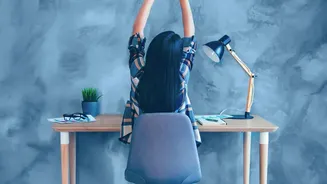
Enter chair yoga, a modified form of yoga that adapts traditional poses to be performed while seated or using a chair for support. Its beauty lies in its accessibility. There's no need for a special mat, fancy workout clothes, or a large open space. You can practice it in your office attire, right at your desk, making it a practical solution for a busy workday. By using the chair for stability, chair yoga allows you to gently move your body, focusing on stretching tight muscles, improving flexibility, and boosting circulation without the strain of getting up and down from the floor.
How It Reverses Desk Damage
Chair yoga directly counteracts the negative effects of sitting. Poses that involve gentle twists help improve spinal mobility and can even aid digestion. Stretches that open up the chest and shoulders combat the forward slump of screen time. By regularly practicing these movements, you are not just finding temporary relief; you are actively strengthening the postural muscles that support proper alignment. These small, consistent movements increase blood flow, reduce muscle tension, and can even boost mental focus by providing a mindful break from work.
Five Stretches to Start Today
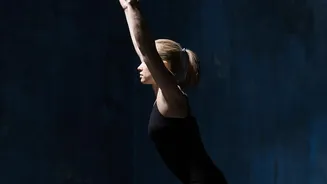
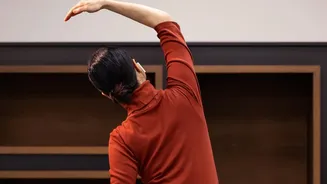
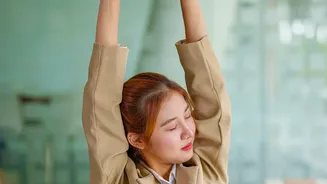
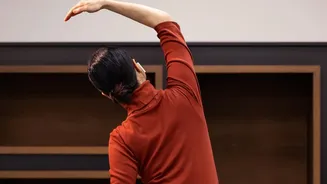
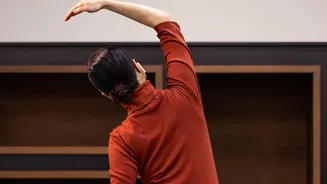
You can begin to feel better with just a few minutes of mindful movement. Try these five simple poses at your desk: 1. Seated Cat-Cow: Sit tall with your hands on your knees. As you inhale, arch your back, lift your chest, and look up (Cow). As you exhale, round your spine, tuck your chin, and let your head fall forward (Cat). Repeat 5-10 times to warm up your spine. 2. Seated Spinal Twist: Sit sideways on your chair, with both feet flat on the floor. Hold the back of the chair and gently twist your torso towards it. Take a few deep breaths, sitting taller with each inhale. Then, switch sides. 3. Chair Pigeon Pose: Sit at the edge of your chair. Cross your right ankle over your left thigh, just above the knee. Keep your right foot flexed. To deepen the stretch in your hip and glute, gently lean forward. Hold for several breaths before switching sides. 4. Wrist and Finger Stretch: Extend your arms out in front of you. Gently flex and point your hands, then make circles with your wrists. Spread your fingers wide and then clench them into fists. This helps relieve tension from typing and mouse use. 5. Seated Crescent Moon: Lift your arms overhead, clasping your hands if you wish. Inhale to lengthen your spine, and on the exhale, gently lean to one side, feeling a stretch along your side body. Return to center and repeat on the other side.
Making Movement a Habit
The key to combating stiffness is consistency. Aiming for a few short movement breaks throughout the day is more effective than one long session. Try setting a timer to remind yourself to get up and stretch every hour. Use the time when you're on a phone call (with no video) to do some shoulder rolls or neck stretches. You can also 'habit stack' by doing a few seated stretches right before your lunch break or at the end of your workday. Integrating these small moments of movement helps prevent tension from building up in the first place, leading to a more comfortable and productive day.