




The Science of the Cold Centre
The problem lies in how microwaves work. They're not a magical heat box; they're a tool that uses electromagnetic waves to agitate water molecules in your food, creating heat through friction. However, these waves can only penetrate food up to about 1
to 1.5 inches deep. When you have a dense block of food—like a single serving scooped from a large, cold container—the microwaves primarily heat the outer layer. The centre has to rely on this outer heat transferring inwards via conduction, which is a much slower process. This leads to the infamous hot-and-cold zones. Furthermore, microwaves can create standing waves inside the oven, resulting in 'cold spots' where energy is lower, compounding the issue. The turntable is designed to combat this, but it can't fully compensate when dealing with a dense portion.
Solution 1: Decant and Arrange
The first and most crucial step is to get the food out of that deep container. Never try to heat a single serving inside the larger tub. Instead, scoop your desired portion onto a microwave-safe plate or into a wide, shallow bowl. This simple act of decanting immediately increases the food's surface area. The next trick is arrangement. Instead of a pile in the middle, spread the food out in an even layer. For foods like pasta, rice, or chilli, create a ring or donut shape on the plate, leaving an empty space in the centre. This technique eliminates the dense middle, allowing microwaves to heat the food more evenly from all sides.
Solution 2: Harness the Power of Steam
Microwaves can sometimes dry food out, which also hinders even heating. The solution is moisture. After arranging your food, add a small splash of water, broth, or sauce. Then, cover the plate. You can use a microwave-safe lid with a vent, or simply lay a damp paper towel over the food. This traps moisture and creates steam, which is an excellent conductor of heat. The steam distributes warmth evenly throughout the dish, preventing dry edges and ensuring the centre gets hot, all while preserving the food's texture.
Solution 3: Master Your Microwave's Settings
Blasting your food on full power is often counterproductive. For denser foods, high power cooks the outside too quickly before the inside can catch up. A better approach is to use a lower power setting—around 50-70%—and increase the cooking time. This gentler approach allows heat to penetrate more slowly and evenly. It’s also vital to pause the reheating process. Cook in intervals of 60 to 90 seconds, stirring or rotating the food each time. Stirring redistributes the hot and cold spots, giving you a much more uniform result. This active participation is key to a perfectly reheated meal.
Solution 4: Consider Other Methods
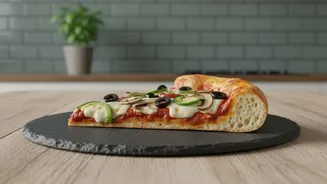
While the microwave is the king of convenience, sometimes other methods yield far superior results, especially when texture is important. The stovetop is excellent for reheating soups, stews, and sauces, allowing you to bring them to a gentle simmer for even heating. A skillet works wonders for reviving stir-fries or pasta, often enhancing the flavour. For anything that was originally crispy or roasted, like fried chicken, pizza, or vegetables, the oven or an air fryer is your best friend. Reheating at a low temperature, around 175°C, will warm the food through without making it soggy and can help restore its original crispy texture.