
What Makes a Tea 'Specialty'?
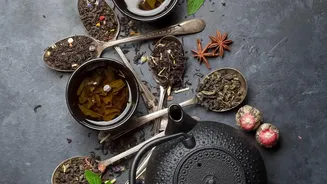
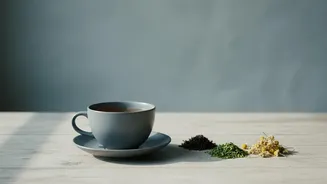
Unlike mass-produced teas often found in bags, specialty tea is all about quality over quantity. It typically refers to high-grade, loose-leaf teas sourced from specific regions, sometimes even a single estate. These teas are cultivated with immense care,
often hand-plucked and processed using traditional methods to preserve their unique characteristics and complex flavours. Think of it as the difference between a generic table wine and a fine wine from a celebrated vineyard; the attention to detail at every step, from farm to cup, is what sets it apart.
Let Origin Guide Your Palate
Just like wine, the flavour of tea is deeply influenced by its 'terroir'—the unique combination of soil, climate, and altitude where it's grown. This is why teas are often named after their place of origin. A Darjeeling tea, grown at high elevations, will have delicate, floral notes, while an Assam tea from the clay-rich lowlands of the Brahmaputra river valley will be robust, malty, and full-bodied. Slow growth in cooler, high-altitude environments concentrates the aromatic compounds, leading to more complex flavours. Even moving a tea plant from one region to another would result in a different tasting tea by the next harvest, proving how much place truly matters.
Decoding the Ingredients: Processing Matters
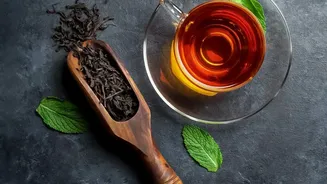
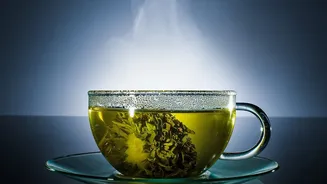
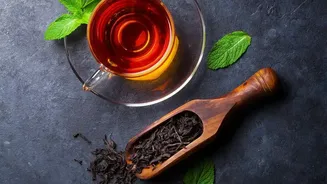
All 'true' teas—black, green, white, and oolong—come from the same plant, Camellia sinensis. The vast differences in flavour and colour come from how the leaves are processed after harvesting, specifically the level of oxidation they undergo. Oxidation is a chemical reaction that occurs when the enzymes in the tea leaf are exposed to air, which changes their colour and flavour profile. Black Tea: The leaves are fully oxidised, which creates deep, rich, amber-coloured teas with strong, malty flavours. This is the most common style in the West and the base for blends like English Breakfast and Masala Chai. Green Tea: Oxidation is prevented by quickly applying heat (steaming or pan-firing) after the leaves are harvested. This preserves their green colour and results in a fresher, more vegetal, or grassy taste. White Tea: Made from the youngest buds and leaves, this is the least processed tea. The leaves are simply withered and dried, resulting in a very delicate, sweet flavour. Oolong Tea: This is a semi-oxidised tea, sitting somewhere between green and black. The oxidation can range from light to heavy, creating a wide spectrum of flavours from floral and fresh to dark and roasted.
Beyond the Leaf: Blends and Herbal Infusions
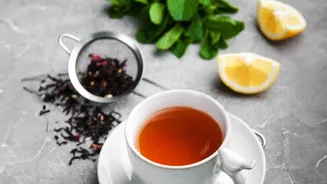
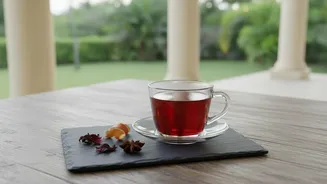
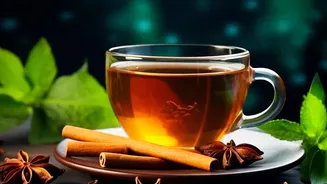
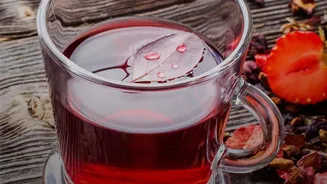
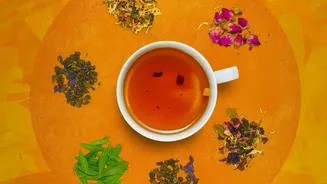
Specialty tea also includes blends, where a base tea is mixed with other ingredients. Earl Grey, for instance, is black tea infused with bergamot oil. Other popular additions include spices like cinnamon and cardamom, flowers like rose and lavender, and dried fruits. Then there are herbal infusions, or 'tisanes', which are not made from the tea plant at all and are naturally caffeine-free. These are made from herbs, spices, flowers, and fruits, such as chamomile, peppermint, ginger, and hibiscus. They are perfect for an evening drink when you want flavour without the stimulation.
Understanding Caffeine Content
A common question is how much caffeine is in a cup of tea. While it's less than coffee, the amount varies. A general rule is that the more processed and the hotter/longer the steep time, the higher the caffeine. Black teas typically have the most caffeine (around 40-70 mg per cup), followed by oolong teas (30-55 mg), and then green teas (20-45 mg). White tea generally has the least of the true teas (15-40 mg). For a significant energy boost, matcha—a powdered green tea where you consume the whole leaf—can contain as much as 70 mg. As mentioned, herbal infusions are almost always caffeine-free.