






From Checklist Tourism to Deep Connection
For years, the measure of a good trip was how many landmarks you could photograph. This “checklist” approach often leaves travellers feeling like they’ve seen everything but experienced nothing. Experience-first travel, also called immersive or slow travel, flips
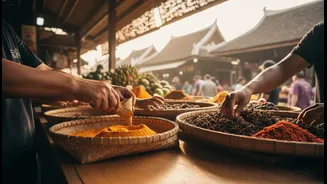
the script. It prioritises depth over breadth, encouraging you to connect with a place on a deeper level. Instead of rushing between temples, you might spend a morning learning from a local artisan or taking a cooking class focused on regional cuisine. The goal isn't to just see a destination, but to participate in its daily life, creating richer, more lasting memories.
Solving the Family Planning Puzzle
Planning a trip that pleases toddlers, teenagers, and grandparents is a common source of friction. An experience-first approach simplifies this by focusing the trip around a central, shared activity rather than a long list of individual sights. For example, instead of debating which of Bangkok’s 400 temples to visit, the family might agree on a multi-day ethical elephant sanctuary visit in Chiang Mai. This creates a common goal and shared memories. Pacing is also key; by planning only one or two main activities a day and matching the pace to the youngest traveller, you prevent burnout and leave room for spontaneous discoveries, like an unscheduled afternoon at the hotel pool, which often become the most cherished moments.
Taming the Group Travel Beast
Coordinating a large group can be even more complex, with competing interests and budgets. Experience-led travel provides a powerful organising principle. A trip built around learning to dive in the Perhentian Islands, Malaysia, or a multi-day trek in Laos naturally filters decisions and unites the group. It shifts the conversation from “What does everyone want to do?” to “How can we best enjoy this shared experience together?” This focus on a core purpose reduces decision fatigue and aligns everyone’s expectations. Recent travel trends for 2026 show a significant rise in multi-generational and group trips that prioritise these kinds of shared, slower-paced itineraries.
The Cure for Itinerary Overload
The fear of missing out often leads to overscheduling, turning a vacation into a marathon. Experience-first travel is the antidote. It champions the idea of leaving empty space in your schedule for relaxation and spontaneity. Instead of a minute-by-minute plan, you have anchors—like a morning market visit or an evening food tour—with flexible time in between. This approach encourages you to linger in a café, wander down an interesting alley, or simply watch the world go by. This mindset shift is crucial for avoiding the burnout that comes from a packed itinerary, allowing you to return home feeling restored, not exhausted.
Choosing Your Perfect Asian Adventure
This philosophy also changes how you choose a destination. The question is no longer which country has the most attractions, but which one offers the right kind of experience for your group. For a wellness-focused trip, Ubud in Bali with its yoga retreats and artisan culture might be ideal. For a culinary adventure, the vibrant street food scenes of Vietnam or Penang, Malaysia, would be top contenders. For serene landscapes and a slower pace, the backwaters of Kerala, India, or the ancient town of Luang Prabang, Laos, are excellent choices. This reframing helps narrow down the vast options across Asia to find a place that truly matches your travel goals.