

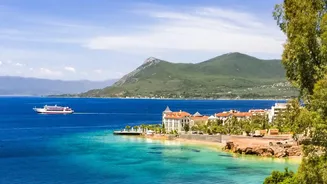


The Secret of the Shoulder Season
In travel, the 'shoulder season' refers to the periods just before and after the peak tourist months. For Croatia, the high season is a frantic, hot, and expensive spell in July and August. In contrast, the shoulder seasons—typically late May through
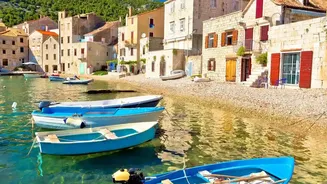
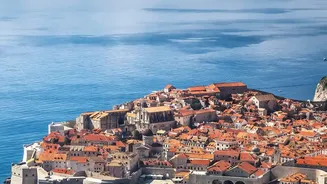
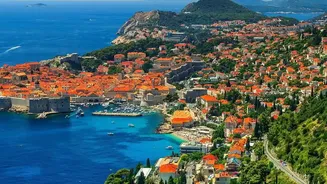
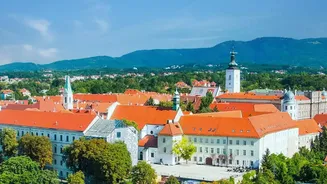
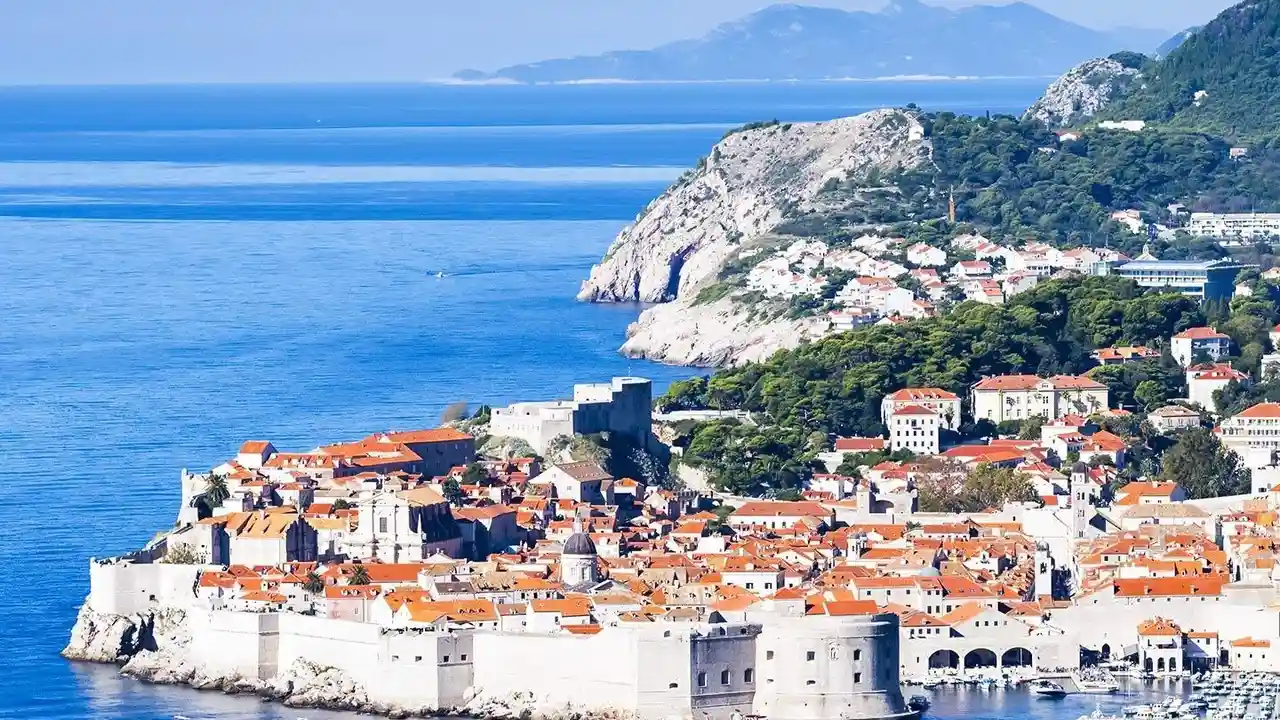
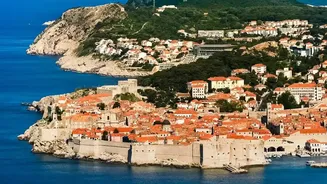
June and September through early October—offer a sweet spot for visitors. This is when the weather is still wonderfully pleasant and the full crush of the summer crowds has yet to arrive or has already dissipated. For travellers looking to experience hubs like Dubrovnik and Split, this timing transforms the entire feel of the trip, shifting it from a battle with crowds to a more relaxed and authentic exploration.
Decoding the Calendar: When to Go
The primary spring shoulder season runs from May to June. In May, the landscape is green and lush, and while the sea is still brisk (around 18-19°C), the air is warm enough for sightseeing in comfort. By June, summer has essentially arrived in terms of weather, with sea temperatures becoming very pleasant for swimming and long, sunny days perfect for island hopping. The autumn shoulder season in September is considered by many to be the perfect month to visit. The sea is at its warmest after a long summer, the intense heat of August has broken, and crowds thin out dramatically after the first week of the month. Early October also offers good value, especially for food-focused travel like Istria's truffle season, though weather can be less predictable.
The Financial Perks: Unpacking the Savings
The most compelling reason to aim for the shoulder season is the significant cost savings. Prices for flights and accommodation can be 20-40% lower than in July and August. Some estimates suggest villas and apartments can be up to 50% cheaper. This price drop applies across the board, from boutique hotels in Hvar to city apartments in Split. For example, a room that costs €120 per night in August might only be €60 in October. The savings extend beyond lodging; daily expenses for food and activities are also more reasonable, as restaurants often revert to local pricing instead of inflated tourist menus.
Beyond the Budget: Better Weather and Fewer Crowds
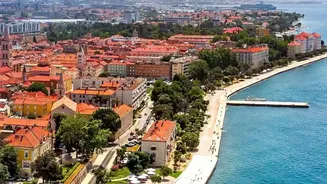
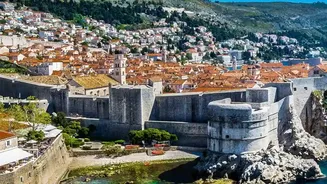
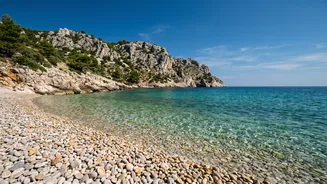
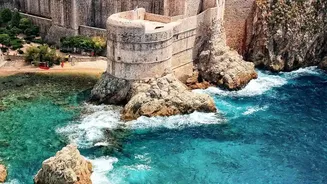
While saving money is a major draw, the other benefits of shoulder-season travel are just as significant. The weather is often more comfortable for active pursuits. Exploring the city walls of Dubrovnik or the waterfalls of Plitvice Lakes National Park is a far more pleasant experience in May or September, with temperatures in the low-to-mid 20s Celsius, compared to the draining 35°C heat of August. Fewer people mean more space to enjoy Croatia's highlights. You can wander the marbled streets of Diocletian's Palace in Split without being part of a human traffic jam or find a spot on a popular beach with ease. This leads to a more relaxed and immersive experience, allowing you to connect with the destination's culture rather than just its tourist infrastructure.
Practical Planning for a Smarter Trip
While the shoulder season is more flexible than the peak, some planning is still wise. Most ferry services to the islands run near-full schedules from May through September, so island hopping is entirely feasible. However, some schedules may be slightly reduced in late October. It's also worth noting that while all major attractions and tours are running, the intense nightlife of places like Hvar is more muted compared to its July and August peak. Packing requires a bit more thought; while days are warm, evenings can be cool, so bringing layers is recommended, especially in May and October. The trade-off for slightly less predictable weather is immense: greater flexibility, lower costs, and a more authentic glimpse into the magic of the Adriatic coast.