



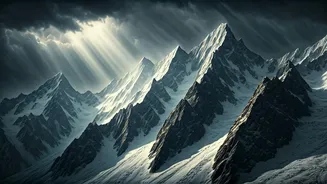


The Science of a Perfect View
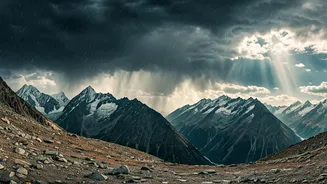
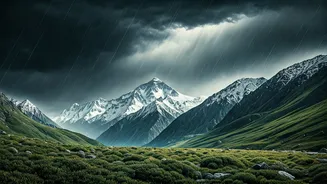
So, what's behind this sudden burst of pristine beauty? The answer lies in a timely combination of meteorological events. Recent pre-monsoon showers and thunderstorms across the northern plains and Himalayan foothills have played a crucial role. These
weather systems, sometimes associated with Western Disturbances, effectively 'wash' the atmosphere, scrubbing it of the dust and pollutants that accumulate during the hot summer months. [19] This atmospheric cleansing dramatically reduces haze, leading to a significant improvement in air quality and visibility. When humidity levels are just right and the wind patterns cooperate, the result is crisp, clear air that allows light to travel for hundreds of kilometres unimpeded, making distant peaks appear tantalizingly close. [15]
A Glimpse of the Giants
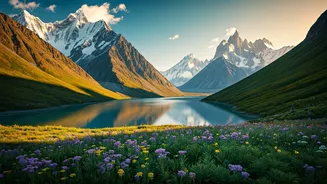
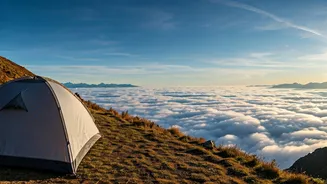
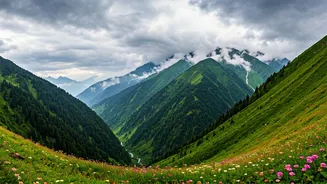
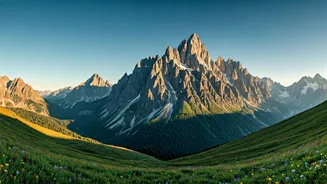
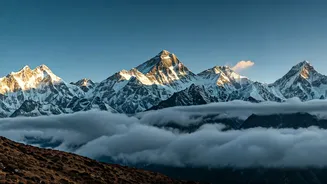
From the hill stations of Himachal Pradesh and Uttarakhand, the views have been particularly spectacular. In places like Kausani, famed for its panoramic view of peaks like Trishul and Nanda Devi, the clarity has been exceptional on recent mornings. [20] Similarly, from parts of Himachal, the snow-clad Dhauladhar range has been making its presence felt, a stark white wall against a brilliant blue sky. This is the season when the transition from spring to monsoon creates a dynamic atmospheric canvas. The air, freshly rinsed by rain, offers photographers and nature lovers a perfect, albeit sometimes brief, window to capture these majestic landscapes at their sharpest.
Echoes of an Unforgettable Spectacle
This phenomenon serves as a powerful reminder of the incredible sights witnessed during the 2020 lockdowns. Back then, a historic drop in pollution allowed the Himalayas to be visible from cities in Punjab and Uttar Pradesh, some over 150-200 kilometres away, for the first time in decades. [5, 9] Those images, shared widely, revealed the true scale and beauty of the mountains that are often obscured by atmospheric haze. [12] While the current conditions are driven more by seasonal weather than a nationwide shutdown, they tap into that same sense of wonder. They prove that just beyond the haze, this staggering beauty is always present, waiting for a chance to be seen.
Where to Find These Vistas
For those looking to experience this natural marvel, June is a prime month, especially in the earlier half before the monsoon fully sets in. Destinations in Himachal Pradesh like Manali and the less-crowded Kalpa in Kinnaur offer stunning mountain backdrops. [21] Manali serves as a gateway to the Rohtang Pass and the high-altitude deserts beyond, with the Beas River rushing with snowmelt. [13] In Uttarakhand, помимо Kausani, quieter spots offer serene views without the crowds. Further east, on exceptionally clear days, Darjeeling in West Bengal can offer breathtaking sunrises over the Kanchenjunga range. [17, 20] The key is to be an early riser, as the clearest views are typically just after dawn, before the heat of the day creates new haze.
A Fleeting, Precious Window
This period of extraordinary clarity is often a fleeting gift. It exists in the delicate balance between the dry, dusty heat of peak summer and the dense, cloud-filled skies of the established monsoon. [22] As the southwest monsoon continues its advance across the country, this window of opportunity will gradually close, replaced by the lush greens and rain-soaked landscapes of the next season. [23] This transience makes the experience all the more precious. It's a call to look up, to appreciate the brief moments when the atmosphere aligns perfectly to deliver a view that is nothing short of soul-stirring.