




The Shravan Diet: A Time for Mindful Eating
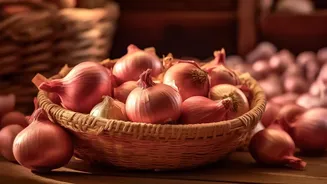
Shravan, the fifth month of the Hindu calendar, is a sacred time for devotees of Lord Shiva. Many observe fasts, particularly on Mondays (Somvar), or adopt a simplified diet for the entire month. This typically involves avoiding meat, eggs, and often
onion and garlic. The emphasis shifts to 'sattvic' foods—those that are considered pure, light, and easy to digest, promoting mental clarity. This period of mindful eating aligns perfectly with the monsoon season, a time when Ayurveda suggests our digestive system can be weaker. By focusing on simpler meals, the body gets a natural break to rest and rejuvenate.
Why Eating Seasonal Is a Smart Choice
Choosing foods that are in season is a simple yet powerful way to enhance your diet. Seasonal produce is harvested at its peak, meaning it's often more nutrient-dense, flavourful, and affordable. Fruits and vegetables that ripen naturally are packed with more vitamins and antioxidants compared to those that are stored for long periods or transported over long distances. During the monsoon, nature provides exactly what the body needs—foods that boost immunity and aid digestion. Embracing this natural cycle not only supports your health but also encourages dietary diversity, introducing new flavours and nutrients into your meals.
Monsoon Vegetables to Add to Your Plate
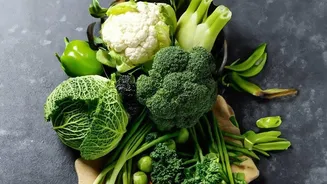
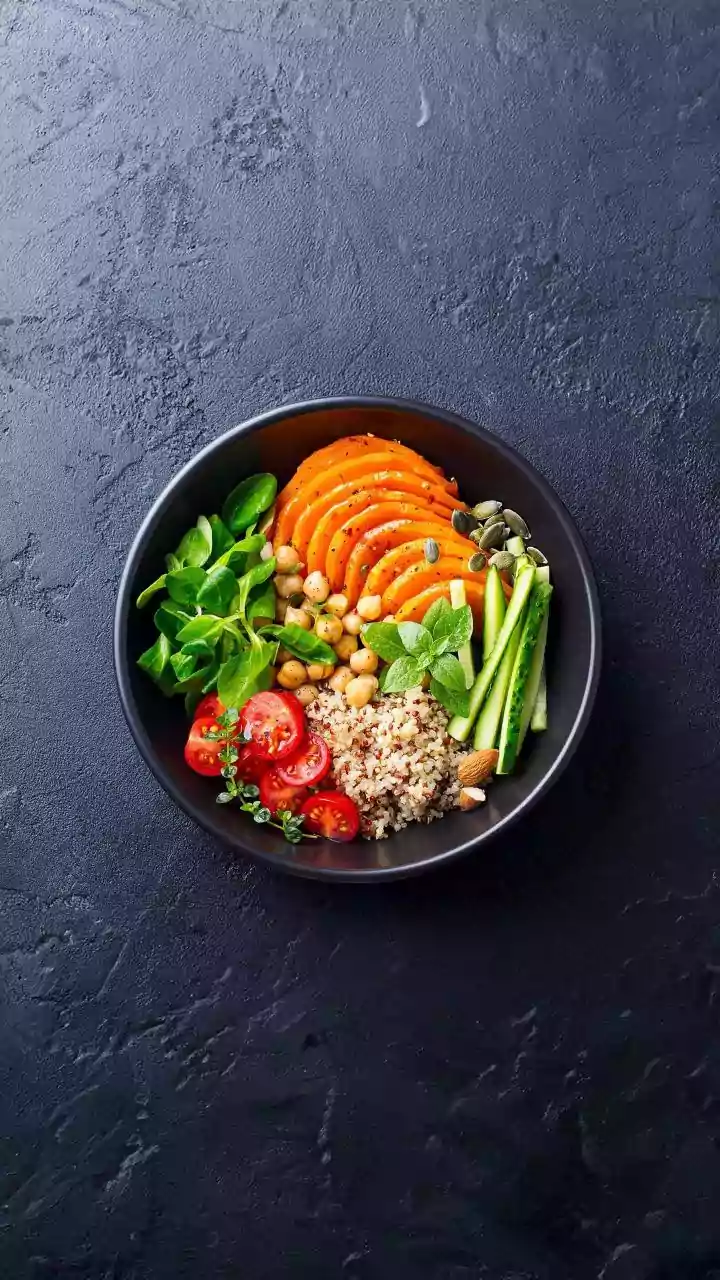
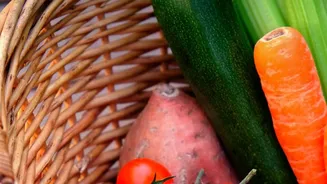
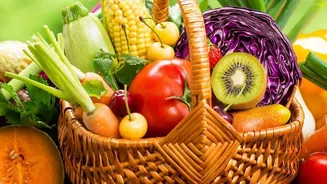
The rainy season brings an abundance of fresh vegetables that are perfect for Shravan cooking. Gourds are a highlight of this season; bottle gourd (lauki), ridge gourd (turai), and pointed gourd (parwal) are light, hydrating, and easy to digest. Pumpkin (kaddu) is another versatile option, celebrated for its natural sweetness. Root vegetables like potatoes, sweet potatoes (ratali), and yams (suran) are fasting staples that provide sustained energy. While many leafy greens are avoided due to the increased presence of insects during monsoon, vegetables like cucumber are excellent for hydration.
Fruits That Define the Season
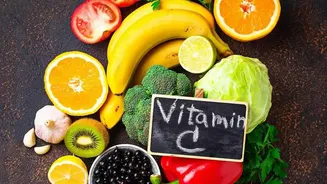
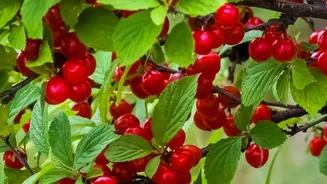
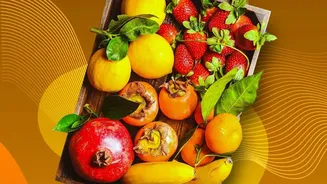
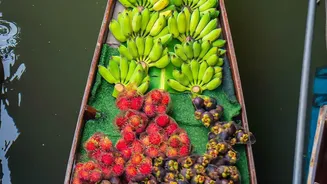
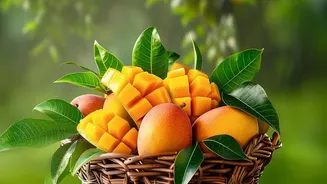
Shravan is a great time to enjoy a variety of delicious monsoon fruits. Jamun (Indian blackberry) is a seasonal star known for its unique sweet and tart flavour. Juicy peaches and plums also make their appearance, offering a burst of freshness. Pomegranates, rich in antioxidants, are another excellent choice to boost immunity during this time. Fruits are a cornerstone of the fasting diet, providing natural sugars for energy, essential vitamins, and hydration to keep you feeling vibrant throughout the day. A colourful fruit salad can be a perfect, nourishing meal.
Exploring Vrat-Friendly Flours and Grains
When regular grains like wheat and rice are avoided, Shravan opens the door to a world of nutritious alternatives. Flours made from amaranth (rajgira), water chestnut (singhara atta), and buckwheat (kuttu ka atta) become kitchen staples. These are not only permitted during fasting but are also gluten-free and packed with protein, fibre, and minerals. Barnyard millet (samak rice) is another popular substitute for regular rice, used to make dishes like khichdi and kheer. Sabudana (tapioca pearls), while high in carbohydrates, is a versatile and beloved fasting food used in everything from khichdi to vadas.