



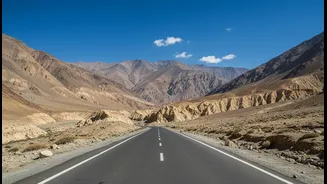


The Science of a Dry Escape
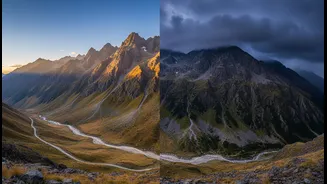
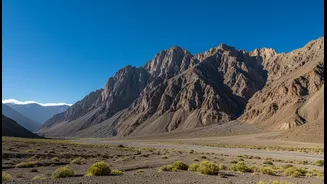
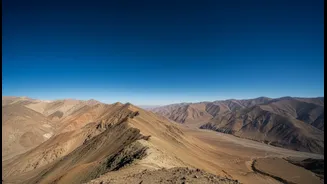
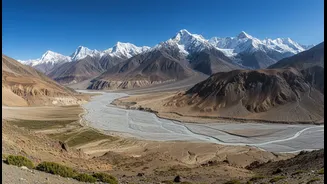
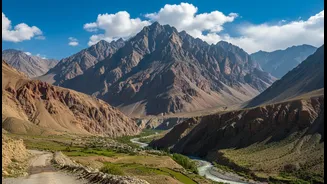
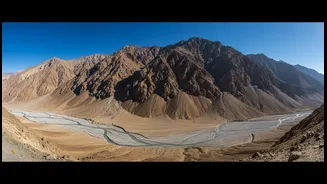
While much of the country experiences heavy rainfall, certain Himalayan areas remain almost entirely dry. These regions, known as rain-shadow zones, are located on the leeward side of massive mountain ranges. The towering peaks block the moisture-laden
monsoon clouds, forcing them to drop their rain on the windward side. As the clouds cross over to the other side, they have little moisture left, resulting in a cold, arid desert climate with clear blue skies, making it perfect for travel in July and August.
Ladakh: The Land of High Passes
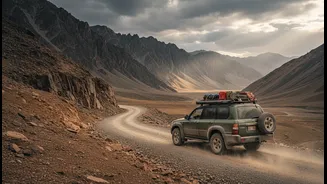
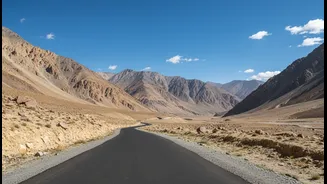
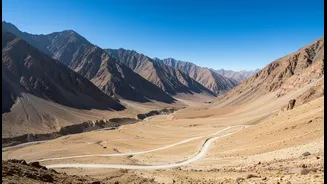
Ladakh is the classic rain-shadow destination and for good reason. July is considered one of the best months to visit, as all major roads, including the iconic Manali-Leh and Srinagar-Leh highways, are fully operational. Daytime temperatures are pleasant, averaging around 21°C, though nights remain cold. This high-altitude desert offers breathtaking landscapes, from the surreal blue waters of Pangong Tso and Tso Moriri to the sand dunes of Nubra Valley, home to the double-humped Bactrian camels. It's a paradise for road trippers, photographers, and anyone looking to explore ancient Buddhist monasteries perched on rugged cliffs.
Spiti Valley: A World Within a World
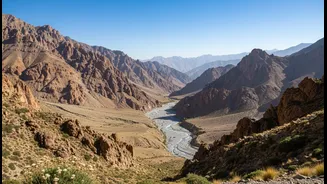
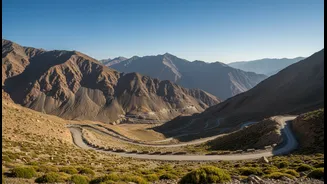
Often described as a more remote cousin to Ladakh, Himachal's Spiti Valley offers a similar stark beauty and dry July weather. Because it’s shielded by the Pir Panjal and Great Himalayan ranges, Spiti receives very little monsoon rain, making it a reliable escape. The journey itself is an adventure, with winding roads leading to some of the highest villages in the world, like Komic and Langza. Key attractions include the spectacular Key Monastery, the ancient Tabo Monastery, and the stunningly beautiful Chandratal Lake, which usually becomes accessible in July. While the days are warm, the high-altitude sun is harsh, and nights can be very cold, so packing layers is essential.
Lahaul and Beyond: Himachal's Arid Frontier
While Spiti gets much of the attention, the neighbouring Lahaul valley is another excellent rain-shadow region. The Hampta Pass trek famously showcases the dramatic shift from the lush, green Kullu Valley to the barren, dry landscapes of Lahaul. This contrast highlights the rain-shadow effect perfectly. Lahaul serves as a gateway to further adventures and is more accessible since the opening of the Atal Tunnel. It offers a quieter alternative to the more popular destinations, with its own unique culture, monasteries, and pristine natural beauty, making it an ideal choice for those looking to get off the beaten path.
Essential Tips for Your High-Altitude Trip
Travelling to these high-altitude regions requires some planning. Acclimatisation is critical; spend at least a day or two at your first high-altitude stop (like Leh or Kaza) before proceeding higher. Staying hydrated by drinking plenty of water is crucial to combat altitude sickness. While the destinations are dry, the approach roads, particularly the Manali route, can still be affected by monsoon rains, so it’s wise to keep a buffer day in your itinerary for potential delays and always check road conditions before you start. Finally, carry cash, as ATMs are scarce in remote areas, and be prepared for limited mobile connectivity.