


The Silent Saboteur: Meet Ethylene Gas
The secret agent behind your prematurely softened broccoli is ethylene, a natural plant hormone. It’s a colorless, odorless gas that most fruits and vegetables produce to regulate their own ripening process. Think of it as a biological signal that tells
a piece of fruit it’s time to mature. This process involves breaking down starches into sugars (making it sweeter), softening cell walls (making it less firm), and changing its color. While this is a normal and necessary part of a fruit's life cycle, the gas doesn't stay contained. It escapes into the air, influencing any other produce nearby.
The Usual Suspects: High Ethylene Producers
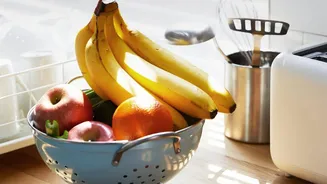
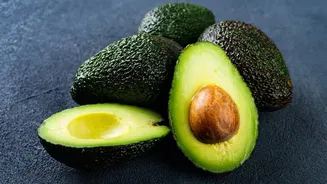
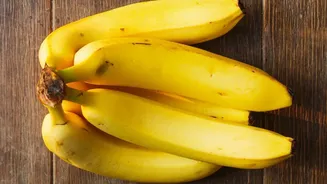
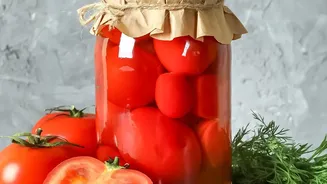
Some fruits are notorious over-producers of ethylene gas, acting like ripening bullies on your countertop. Bananas are perhaps the most famous offenders, releasing significant amounts of ethylene as they transition from green to yellow and beyond. But they’re not alone. Apples, avocados, stone fruits like peaches and plums, cantaloupes, pears, and even tomatoes are all major ethylene emitters. These are often categorized as 'climacteric' fruits, meaning they continue to ripen and produce ethylene even after being picked. Storing these items together, especially in a closed container or a crowded bowl, creates a concentrated cloud of ripening gas that accelerates the process for everyone involved.
The Innocent Victims: Ethylene-Sensitive Vegetables
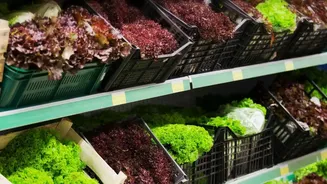
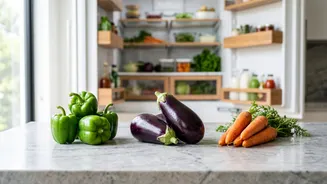
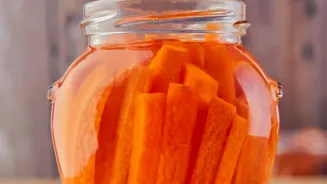
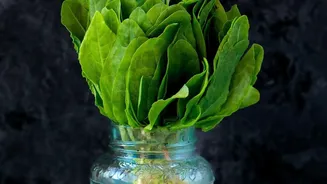
While the ethylene producers are busy signaling their own maturity, many vegetables are highly sensitive to those airborne cues. Leafy greens like lettuce and spinach, for example, will wilt and develop spots. Broccoli and cauliflower florets turn yellow and lose their crispness. Carrots can develop a bitter taste, and cucumbers are prone to rapid yellowing and decay. Other sensitive vegetables include asparagus, cabbage, green beans, and eggplant. When these vegetables are stored next to a high-producing fruit like an apple or banana, they absorb the ethylene gas, which triggers their own cells to break down prematurely, leading to the softening, discoloration, and spoilage you see in your fridge drawer.
A Strategy for Peaceful Coexistence
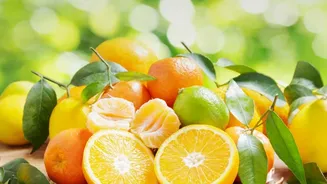
Understanding this dynamic is the key to reducing food waste and saving money. The solution is simple: segregation. Keep your high-ethylene producers separate from your ethylene-sensitive vegetables. This might mean giving bananas their own spot on the counter, far from the vegetable crisper. Don't store apples and carrots together, and keep tomatoes away from your salad greens. Many refrigerators have separate crisper drawers for a reason; you can designate one for fruits and the other for vegetables to minimize cross-contamination. It's also wise to avoid sealing produce in airtight bags, which traps the ethylene gas and speeds up ripening. Some fruits, like berries and citrus, are not particularly sensitive to ethylene, so they can coexist more peacefully with others. By managing your produce storage, you can stop the silent saboteur in its tracks and keep your vegetables fresh and delicious for longer.