


The Gut-Wrenching Reality of Space Travel
Space is an environment fundamentally hostile to the human body. Astronauts are subjected to a constant barrage of stressors, including microgravity, cosmic radiation, confinement, and altered sleep cycles. While we often think of bone density loss and muscle
atrophy as the primary health risks, these factors also wreak havoc on the gut microbiome—the trillions of bacteria, viruses, and fungi living in our digestive tract. This internal ecosystem is crucial for everything from nutrient absorption and immune function to mental health. In space, this delicate balance is thrown into disarray, leading to a state known as dysbiosis, which on Earth is linked to numerous diseases.
Your Microbiome in a Tin Can
Studies from the International Space Station (ISS) and ground-based simulations like Mars500 have revealed consistent and concerning changes in astronauts' gut flora. A key finding is a drop in microbial diversity. The sterile, confined environment of a spacecraft limits exposure to new, beneficial microbes that we encounter daily on Earth. Research has shown a decrease in beneficial bacteria, such as those that produce anti-inflammatory compounds, and an increase in bacteria associated with inflammation. Furthermore, a recent study of 52 ISS astronauts found that microgravity slows the movement of food through the intestines. This causes gut bacteria to run out of their usual fuel (fiber and carbs) and start fermenting proteins instead, a process that can contribute to constipation and other health issues.
From the ISS to the Red Planet
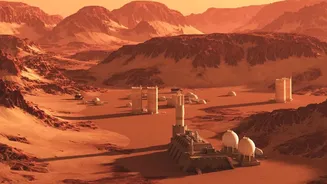
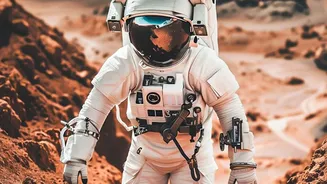
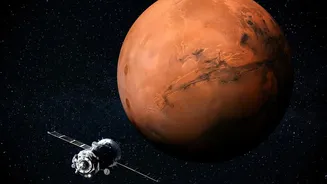
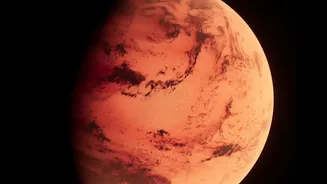
A mission to Mars will take years, magnifying these health challenges exponentially. The journey alone could last nine months each way, plus an extended stay on the Martian surface. The effects of long-duration confinement and increased radiation exposure outside of Earth's protective magnetic field are significant concerns. An imbalanced microbiome on such a mission could compromise astronauts' immune systems, making them more susceptible to infections and the reactivation of latent viruses like Varicella-zoster (the virus that causes chickenpox and shingles). It could also impair their ability to absorb nutrients from their limited food supply and even affect their cognitive function and mental health—critical factors for a small crew relying on peak performance millions of miles from home.
The Search for a Space-Proof Stomach
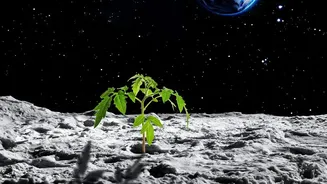
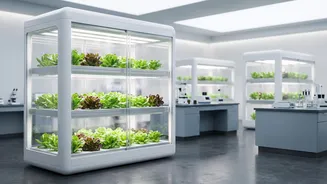
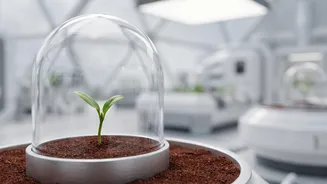
Recognizing this critical hurdle, scientists are actively researching ways to protect the astronaut microbiome. One promising avenue is diet. Growing fresh produce in space, like chili peppers and leafy greens, could supplement the standard pre-packaged meals and provide essential nutrients and fiber. However, early research suggests that plants grown in microgravity may have lower concentrations of key minerals. Another major area of focus is the use of probiotics and prebiotics—beneficial bacteria and the foods that feed them. Tailored supplements could help maintain microbial diversity and function. In the future, solutions could become even more advanced, potentially involving personalized diets based on an astronaut's unique microbiome or even fecal transplants to restore a healthy gut ecosystem before a long mission.
Earthly Benefits of a Martian Diet
The research into keeping astronauts healthy in the most extreme environment imaginable has valuable applications back on Earth. Understanding how microgravity, diet, and stress affect the gut provides a unique model for studying digestive diseases like Irritable Bowel Syndrome (IBS), as well as health issues common in sedentary or bedridden patients. For example, learning how to counteract the digestive slowdown seen in space could lead to better treatments for constipation and related issues on Earth. By pushing the boundaries of human endurance for space exploration, we are simultaneously gathering crucial data that can help improve health for everyone.