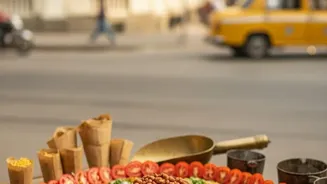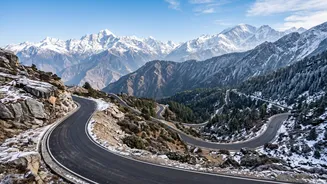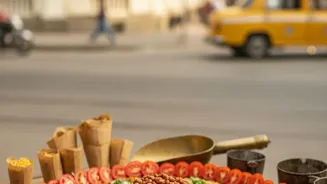






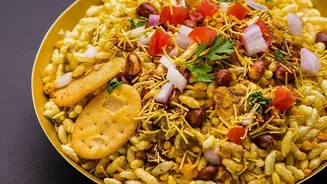

For years, the urban Indian palate was wooed by global cuisines and city-based fine dining. Now, a delicious shift is underway as city dwellers look inward, travelling across the country not just for sights, but for authentic flavours.
What's Driving the Hunger for Authenticity?
The modern Indian
diner is increasingly trading polished restaurant experiences for something more rooted and real. This growing appetite for culinary tourism is driven by a desire to connect with the country's vast and varied food heritage. Experts point to several factors: a reaction against generic dining, the visual influence of social media food bloggers showcasing hidden gems, and a post-pandemic surge in domestic travel where food is the main event. People are no longer content just eating; they want to know the story behind their food—the history of a recipe, the source of the ingredients, and the culture that created it. This has sparked a movement towards experiential travel, where a meal is an adventure in itself.
More Than a Meal, It's an Experience
Culinary tourism in India goes far beyond simply tasting local dishes. It's an immersive activity that involves travellers in the entire food journey. Imagine participating in a cooking class in a Chettinad home, learning the secrets of their complex spice blends, or visiting a Coorg plantation to see how coffee is grown and processed before tasting the region’s famous pandi curry. These trips often feature visits to bustling local markets, conversations with chefs and home cooks, and even stays at farms or heritage estates where farm-to-table isn't a trend, but a way of life. This hands-on approach offers a deeper cultural exchange, connecting travellers to the traditions and people behind the food.
Hotspots on the Indian Food Map
Every region in India offers a distinct culinary identity, shaped by its climate, agriculture, and history. For culinary explorers, this means a nearly endless map of flavours. In the north, cities like Lucknow and Amritsar draw crowds for their rich Mughal-inspired dishes and hearty Punjabi fare, respectively. The western coast offers the seafood delights of Goan and Konkani cuisine, heavily influenced by coconut and coastal spices. Down south, Kerala provides a journey through spice gardens and backwaters, with meals served on banana leaves, while Tamil Nadu is celebrated for its intricate Chettinad preparations. Meanwhile, Eastern India, particularly Bengal, is a paradise for those who love freshwater fish and unique sweets. These destinations are becoming central to travel itineraries built entirely around food.
The Nourishing Impact on Local Communities
This trend does more than just satisfy adventurous appetites; it brings significant economic and cultural benefits. Culinary tourism channels money directly into local economies, supporting small-scale farmers, food artisans, homestay owners, and familyrun eateries. It creates a strong incentive for communities to preserve their culinary heritage—the traditional recipes, cooking techniques, and indigenous ingredients that might otherwise be lost to urbanization. By celebrating and commercializing hyperlocal products, including GItagged items like Joha rice from Assam, this movement helps create sustainable livelihoods and puts lesserknown regions on the global map. It fosters a sense of pride and encourages the continuation of culinary traditions for generations to come.