







What Is Lymphatic Walking?
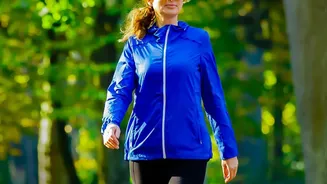
At its core, lymphatic walking isn't a complex new exercise. It’s essentially a mindful, purposeful walk with added cues to improve posture, deepen breathing, and swing your arms more deliberately. The trend, popularised on social media, suggests that
this specific style of walking can help stimulate the lymphatic system. Proponents advise standing tall, relaxing the shoulders, breathing deeply from your belly, and letting your arms swing naturally instead of holding a phone. The idea is that this rhythmic, full-body movement helps circulate lymph fluid more effectively.
Understanding Your Lymphatic System
Before diving into the trend's claims, it’s helpful to know what the lymphatic system does. Think of it as your body's internal cleaning and drainage network. It's a vast system of vessels and nodes that transports a clear fluid called lymph, which contains immune cells while also removing waste products and excess fluid from tissues. However, unlike the circulatory system which has the heart as a powerful pump, the lymphatic system is passive. It relies on your body's movements, muscle contractions, and deep breathing to keep the fluid flowing.
Does the Trend Actually Work?
This is the crucial question. The science is clear that walking and physical activity are excellent for lymphatic health. The contraction of leg muscles during walking acts as a pump, pushing lymph fluid through your body. However, there is no scientific evidence to suggest that 'lymphatic walking' is superior to a regular, brisk walk. Experts note that any purposeful walk where you maintain good posture and engage your body will provide the same benefits. The claims of instant 'detoxing' or 'melting fat' are largely overstated; the lymphatic system is part of a complex waste removal process, and any feeling of being lighter after a walk is typically due to a temporary shift in body fluids, not fat loss.
The Real Takeaway: The Power of Consistency
Perhaps the most valuable part of the lymphatic walking trend is its emphasis on regular movement. While the 'lymphatic' label might be more marketing than science, it encourages people to get up and walk. And when it comes to health and fitness, consistency is far more important than perfection. Sporadic, intense workouts are less beneficial in the long run than regular, moderate activity. Building a habit is what leads to lasting results, whether your goal is to improve cardiovascular health, manage weight, or simply feel more energetic. A daily 20- or 30-minute walk is more impactful than an hour-long gym session once a month.
How to Build a Walking Habit You Can Stick With
If this trend has inspired you to walk more, that's a great outcome. The key is to make it a lasting habit. Start small, with a goal that feels easily achievable, like a 10-minute walk each day. Schedule it in your calendar like any other important appointment to help you prioritise it. To make it more enjoyable, listen to music or a podcast, invite a friend to join you, or choose a scenic route. You can also integrate walking into your daily life by taking the stairs, parking further away from your destination, or getting off public transit one stop early. The goal is to make movement a natural and enjoyable part of your routine, not another chore on your to-do list.