
A Craving for Authenticity
In a world of globalised menus and fleeting social media trends, there is a growing appetite for food that tells a story. Diners are increasingly looking for connection and meaning on their plates, moving beyond generic festival fare to explore dishes
rooted in seasonality, community, and tradition. This shift is fuelled by a renewed pride in regional identity and a collective curiosity about our own culinary backyards. People want to know what their grandparents cooked and which local ingredients define a region. This search for authenticity is reshaping the food festival landscape, turning them into vibrant celebrations of India's diverse culinary heritage.
Grandma's Kitchen Goes Public
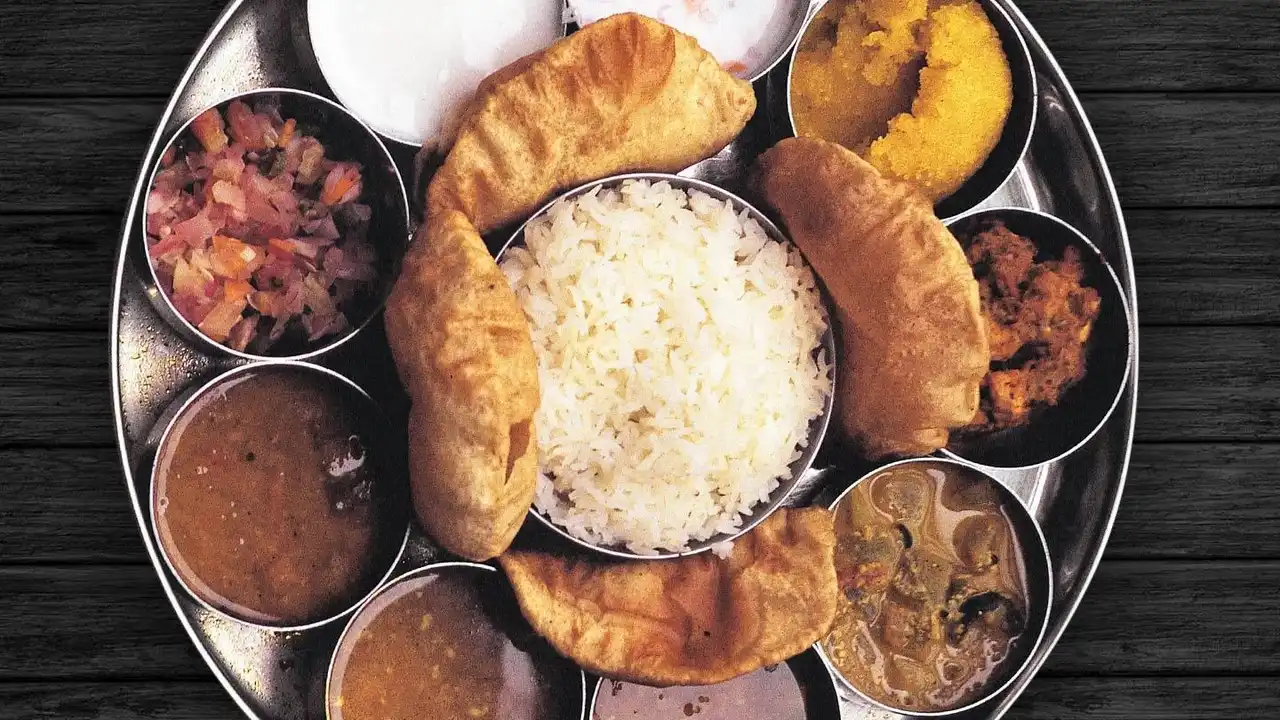
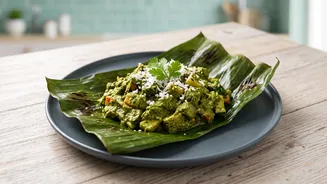
The most powerful trend is the celebration of generational recipes—the kind of dishes once known only to locals or kept within families. These heirloom recipes are culinary time capsules, offering a taste of the past with every bite. At festivals across the country, home cooks and chefs are gaining recognition for sharing these precious legacies. In Goa, for instance, you might find someone like Dona Figueiredo, known as a keeper of old Goan Catholic sweets and snacks, showcasing delicacies like pastéis de banana—a pastry rarely seen outside of traditional homes. Similarly, festivals are creating platforms for home chefs to present hyper-local specialities, such as the fragrant Mappila cuisine of Mangaluru or the rich Nizami meals of Hyderabad, connecting attendees directly with the custodians of these traditions.
Celebrating the Soil
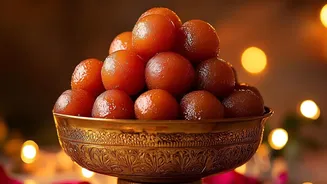
Alongside family recipes, there is a renewed focus on regional ingredients. Festivals are increasingly celebrating the unique produce that gives a cuisine its distinct character. The Avarekai Mela in Bengaluru, for example, is a festival dedicated entirely to the hyacinth bean, where cooks create everything from savoury dishes to sweets like jalebi. In Goa, the Konkan Fruit Fest displays local treasures like karmal, bimblim, and chirputtam berries. This focus not only creates unique culinary experiences but also supports local farmers and agricultural economies. It highlights the importance of terroir—the idea that the soil and climate of a place give its food a unique flavour. By putting ingredients like the fiery Bhut Jolokia chilli of Nagaland or the countless varieties of bananas in Kerala front and centre, these festivals tell a story about the land itself.
More Than Just a Meal
Modern heritage food festivals offer more than just an opportunity to eat. They are immersive cultural events. Many now feature culinary workshops, storytelling sessions, and live demonstrations that reveal the history and techniques behind the dishes. For example, the Goa Food and Cultural Festival combines its focus on coastal cuisine with cultural programming that explains the region's unique Portuguese influence on dishes like Vindaloo and Sorpotel. At the Sattvik Food Festival in Ahmedabad, the emphasis is on the philosophy behind the food, promoting heirloom grains, organic farming, and Ayurvedic principles of slow cooking. This educational component transforms the act of eating into a richer, more meaningful experience, allowing attendees to connect with the food's journey from farm to plate.