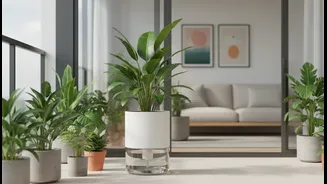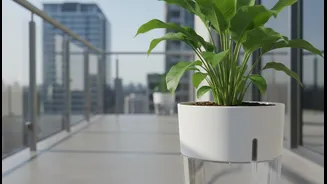



The Rise of Low-Effort Greenery
Low-maintenance gardening is more than just a trend; it's a response to our busy lifestyles. For many urban dwellers in India, the goal is to enjoy the beauty and air-purifying benefits of plants without the constant worry of watering schedules. This
philosophy prioritises smart solutions and resilient plant species that thrive with minimal intervention. It’s about creating a lush environment that reduces stress, rather than adding to it. The focus is on enjoying a green home that is easy to maintain, which is where innovative tools like self-watering pots become invaluable.
How Self-Watering Pots Work
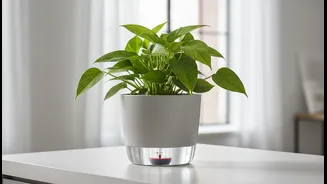
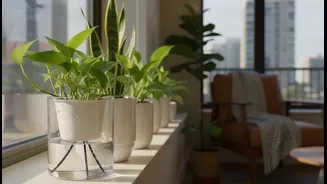
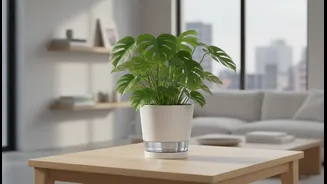
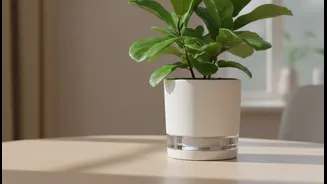
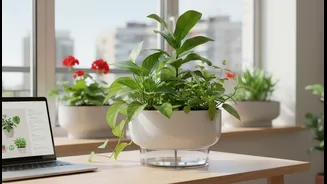
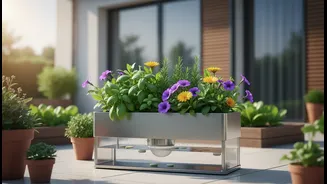
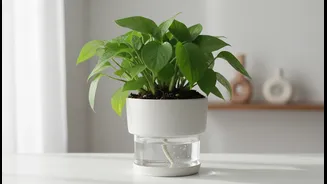
The magic of a self-watering pot lies in its simple but clever design. These planters feature a built-in reservoir at the bottom that holds a supply of water. A wicking system, often a strip of fabric or a specific potting mix chamber, draws water up from the reservoir into the main soil compartment as the plant needs it. This process, known as capillary action, allows the plant to drink at its own pace, providing a consistent level of moisture directly to the roots and taking the guesswork out of watering.
Key Benefits for Plant Parents
The primary advantage is convenience. You don't have to water your plants daily; depending on the plant and pot size, the reservoir may only need refilling weekly or even less. This is a lifesaver for frequent travellers or those with a forgetful streak. These pots also prevent the two most common plant-care mistakes: overwatering and underwatering. By providing a steady supply of moisture, they reduce plant stress and promote healthier, stronger root systems. Furthermore, this enclosed system is more water-efficient, reducing evaporation and eliminating messy spills.
Choosing the Right Pot and Plants
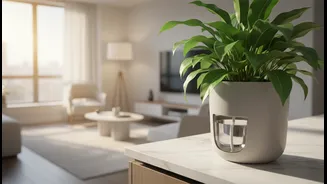
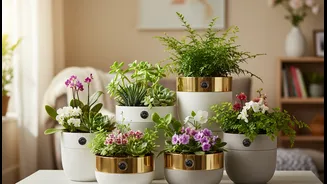
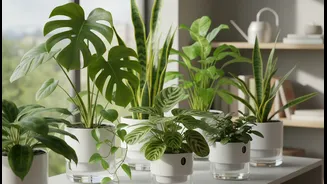
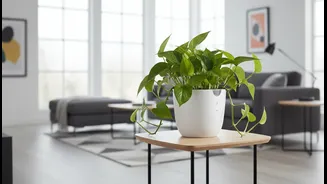
Self-watering pots come in various materials, including plastic and ceramic, and sizes. Look for features like a water-level indicator, which shows you when it's time to refill, and an overflow hole to prevent waterlogging, especially if used outdoors. Not all plants are suitable for these pots. They are ideal for species that prefer consistently moist soil. Good choices include Peace Lilies, Spider Plants, Pothos (Money Plant), African Violets, and various herbs like basil and mint. Avoid using them for succulents and cacti, which need their soil to dry out completely between waterings.
Common Pitfalls to Avoid
While effective, these pots are not completely 'set and forget'. A common mistake is using the wrong soil; a standard, heavy potting mix can become too waterlogged and lead to root rot. It is best to use a lighter, well-aerating mix that facilitates wicking. It's also important to let the reservoir dry out occasionally to allow air to reach the roots. When you first pot a plant, it is recommended to water from the top for the first week or so to help the root system establish itself before relying solely on the reservoir. Finally, the reservoir itself should be cleaned periodically to prevent the buildup of algae or stagnation.