





The New Human-AI Partnership
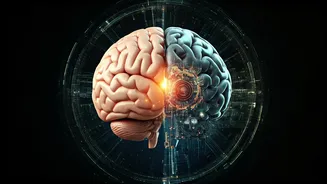
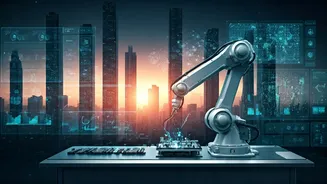
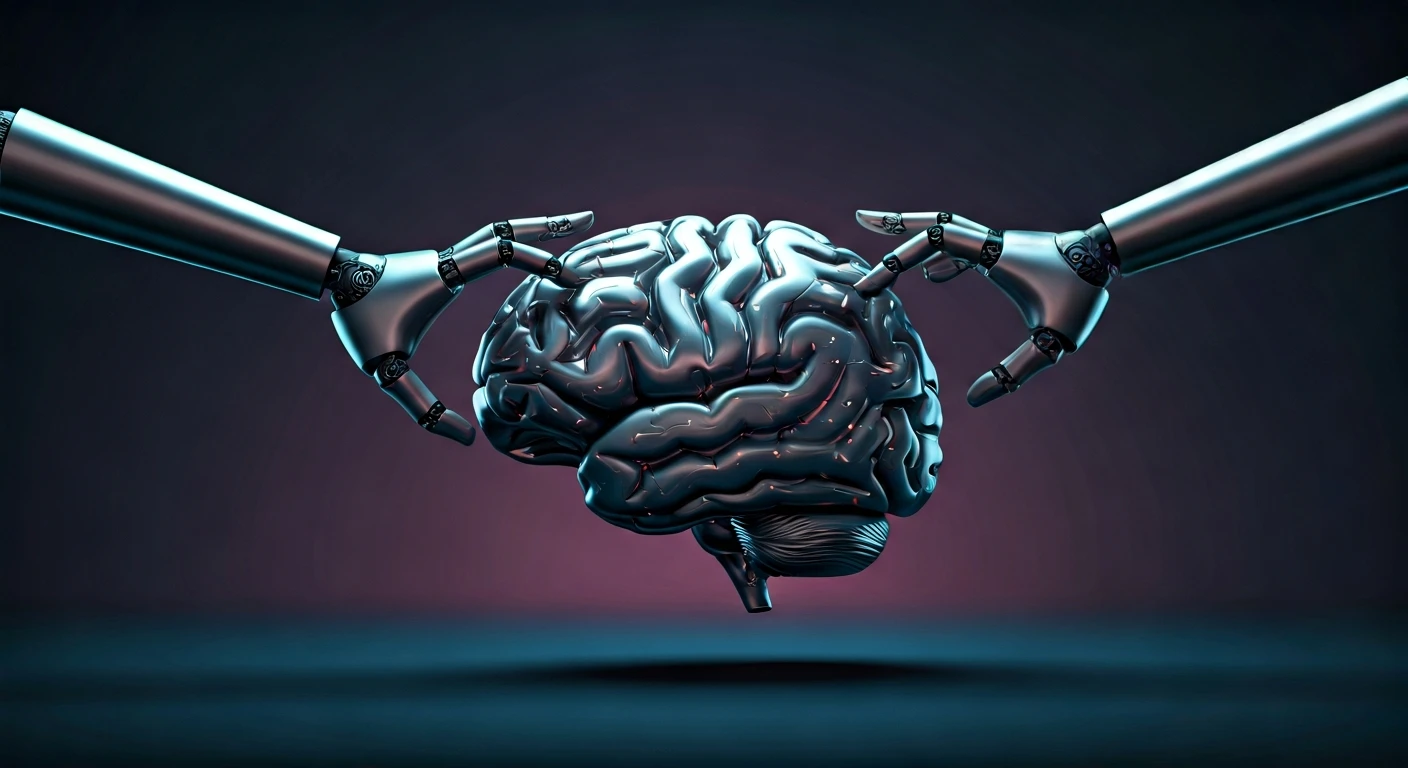
The future of work isn't about humans versus machines, but humans with machines. As AI takes over repetitive, data-heavy tasks, it frees up human workers to focus on what we do best: strategy, creativity, empathy, and complex problem-solving. A recent
report from the World Economic Forum highlights this shift, noting that while some jobs will be displaced, many more will be created and transformed. The key is to develop skills that complement AI. Instead of competing with algorithms, the most successful professionals will be those who learn to leverage them as powerful tools. This creates a new division of labor where AI handles execution, and human value moves towards framing the problem, overseeing the process, and making final judgment calls.
AI and Machine Learning Engineers: Building the Future
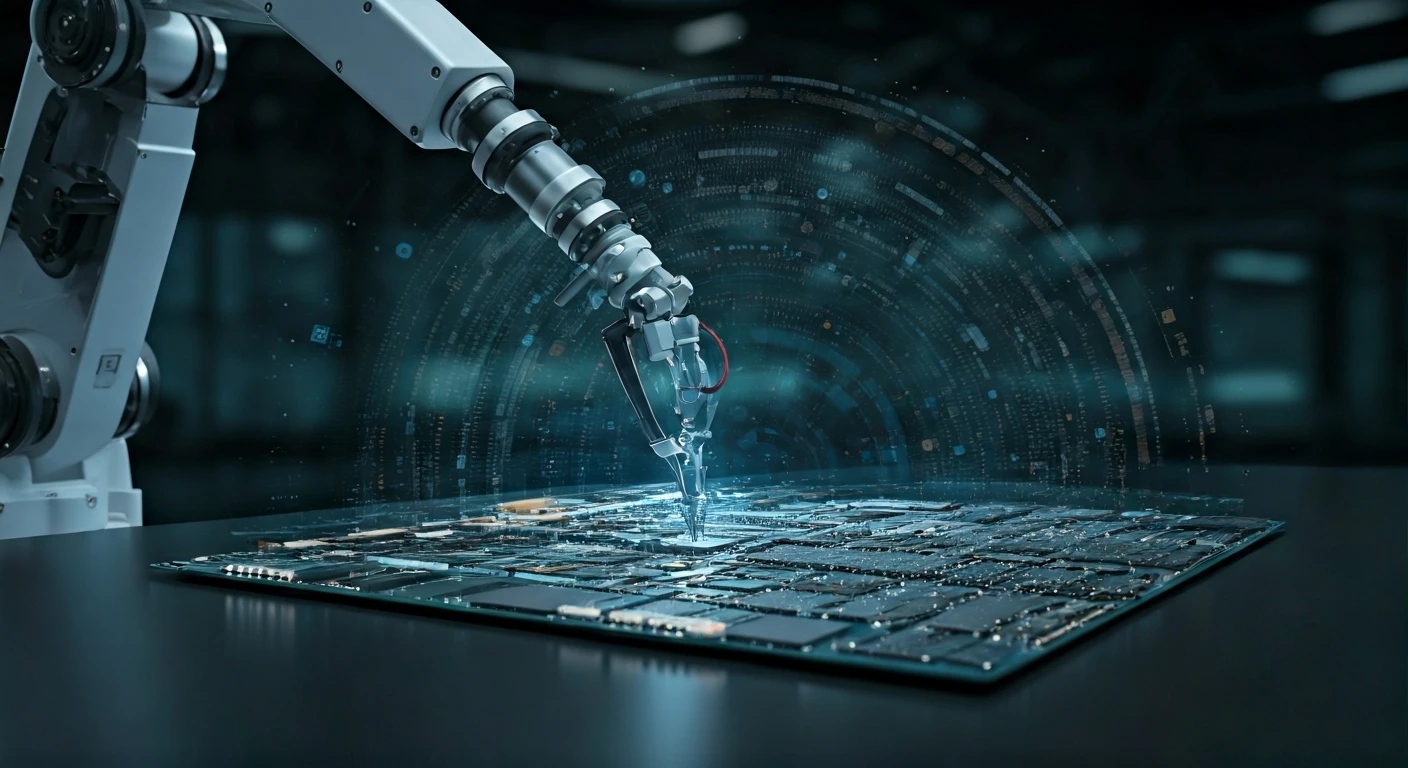
This is perhaps the most direct way to thrive in the AI era. The demand for professionals who can design, build, and maintain AI systems is skyrocketing. India is projected to need around one million skilled AI professionals by 2026. These roles—including AI Engineers, Machine Learning Engineers, and Data Scientists—are responsible for creating the very tools that are transforming industries. They develop everything from the algorithms that power recommendation engines to the complex systems used in medical diagnostics. While highly technical, these careers are at the forefront of innovation and command significant salary premiums due to the high demand for their specialized skills.
Healthcare Professionals: A Human Touch AI Can't Replicate
Healthcare is a prime example of a sector being enhanced, not replaced, by AI. While AI can analyze medical images or sift through patient data faster than any human, it cannot replace the empathy and critical judgment of a doctor, nurse, or therapist. Roles like AI-based imaging specialists and clinical data analysts are emerging, blending medical knowledge with AI literacy. AI acts as a powerful diagnostic assistant, but the final treatment plan, patient communication, and emotional support remain profoundly human responsibilities. This makes careers in healthcare, particularly those involving direct patient care, incredibly resilient in the face of automation.
Digital Transformation and AI Consultants: Guiding the Change
As companies across India rush to integrate AI, they need experts to guide them. This has created a boom for Digital Transformation Specialists and AI Consultants. These professionals help organizations understand how to use AI to improve efficiency, solve business problems, and create new products. They act as a bridge between the technical teams building AI and the business leaders who need to implement it. This role requires a unique blend of technical understanding, strategic thinking, and strong communication skills to explain complex concepts in simple terms.
Cybersecurity Analysts: Defending the Digital World
The more our world runs on interconnected, AI-driven systems, the more vulnerable it becomes to digital threats. Cybersecurity Analysts are the guardians of this new world. They use AI tools to detect and respond to threats in real-time, sifting through massive amounts of data to identify patterns that might signal an attack. However, the strategy behind the defense—understanding the motives of attackers, anticipating new threats, and making high-stakes decisions during a breach—requires human intelligence. AI provides the 'what,' but the human analyst provides the 'why' and 'how to respond'.
AI Ethics and Governance Specialists: Ensuring Responsible Use
With great power comes great responsibility. As AI becomes more integrated into society, a critical new field is emerging: AI Ethics. These professionals are tasked with ensuring that AI systems are used fairly, transparently, and without bias. They grapple with complex questions about data privacy, algorithmic accountability, and the societal impact of automation. This role is less about coding and more about philosophy, law, and social science. It requires critical thinking and moral reasoning—skills that are, for the foreseeable future, uniquely human.