




The Root of the Problem: Why Drainage Matters
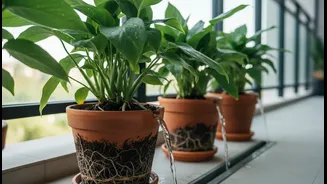
Before we fix the problem, it’s important to understand it. Plant roots need more than just water; they also need oxygen to survive. When a pot has poor drainage, excess water collects at the bottom, creating a waterlogged, swampy environment. This cuts
off the oxygen supply to the roots, causing them to decay. This condition, known as root rot, is one of the most common reasons container plants die. It also creates an ideal breeding ground for fungus and bacteria, further stressing the plant. Healthy drainage ensures that after a good watering, any excess water can escape freely, allowing air back into the soil and letting the roots breathe.
Is Your Plant Drowning? Warning Signs
Plants are great communicators, if you know what to look for. Common signs of poor drainage and overwatering can be misleading, as they often look like signs of a thirsty plant. Watch out for yellowing leaves, especially on the lower parts of the plant. The plant might also wilt, even when the soil feels moist to the touch. This happens because the rotting roots can no longer absorb water effectively. Other tell-tale signs include stunted growth, a musty or sour smell from the soil, and even mould growing on the surface. If you're brave enough to gently inspect the roots, healthy ones will be firm and white, while rotting roots are brown, soft, and mushy.
Debunking a Common Garden Myth
For generations, gardeners have been advised to add a layer of gravel, stones, or broken pot pieces to the bottom of a planter to improve drainage. However, horticultural science has shown this is a persistent myth that actually makes things worse. Water does not move easily from a fine-textured material (like soil) to a coarse-textured one (like gravel). Instead of flowing out, water pools in the soil just above the gravel layer, creating what is called a 'perched water table'. This effectively reduces the amount of healthy soil available to the plant and raises the soggy zone closer to the delicate roots, increasing the risk of root rot. It is always better to fill the entire pot with a suitable potting mix.
Fix #1: Start with a Smarter Container
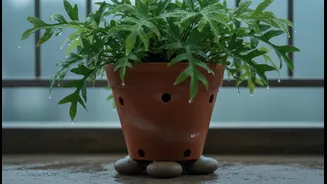
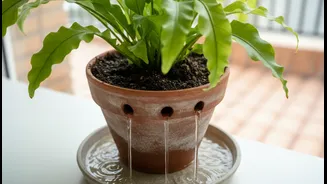
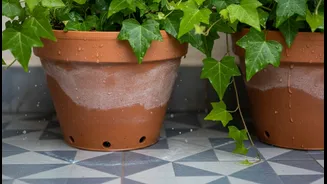
The easiest fix begins before you even plant. Always choose a pot with drainage holes. The more, the better. If you’ve fallen in love with a decorative pot that has no holes, don't despair. You have two options. If the material allows (like plastic or wood), you can carefully drill a few holes in the bottom. Alternatively, use the 'pot-in-pot' method: keep your plant in a simple plastic nursery pot with holes, and place that pot inside your decorative one. After watering, simply lift the inner pot out, let the excess water drain away completely, and then place it back.
Fix #2: Give Your Pots a Little Lift
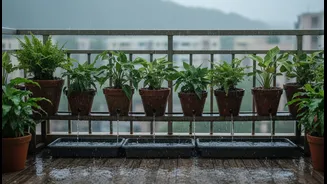
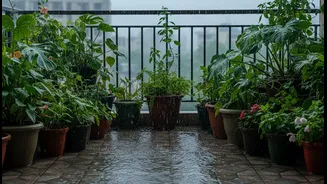
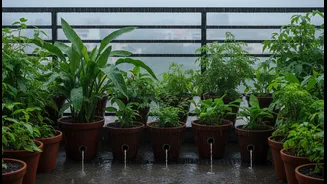
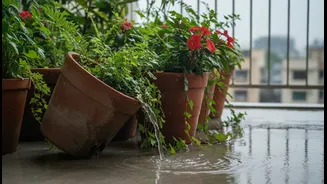
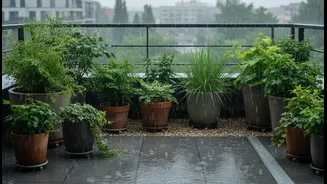
Even a pot with drainage holes can have problems if it sits flat on a saucer or hard surface, as the water can't escape effectively. A simple but incredibly effective solution is to elevate your pots. You can buy 'pot feet' or create your own DIY risers using bottle caps, small stones, or wine corks placed under the pot. This small gap creates airflow and allows excess water to drain away freely, preventing the pot from sitting in a puddle. This is especially crucial for balcony gardens where pots sit on solid flooring.
Fix #3: Create a Lighter Soil Mix
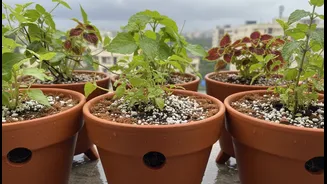
The soil you use is just as important as the pot. Heavy garden soil or old, compacted potting mix holds too much water for container plants. A good potting mix should be light and airy. You can easily improve your soil's drainage by amending it. Adding materials like perlite (lightweight volcanic glass), pumice, or coarse sand creates more air pockets, allowing water to flow through more easily. For many Indian households, coco peat (coir) is a fantastic and readily available amendment. It helps retain some moisture while also improving aeration. A simple mix could be two parts potting soil to one part perlite or coco peat.