





The Fine Line Between Glow and Damage
Exfoliation is the process of removing dead cells from the skin's surface. It can be done physically, with scrubs, brushes, or sponges, or chemically, using acids like alpha-hydroxy acids (AHAs) and beta-hydroxy acids (BHAs) to dissolve the bonds between
skin cells. When done correctly and in moderation, it reveals fresher, brighter skin underneath. However, over-exfoliation—using products that are too strong, exfoliating too often, or combining multiple methods—strips away not just dead cells, but also the essential lipids and healthy cells that form your skin's protective barrier. This damage leaves your skin vulnerable, leading to a cycle of irritation that's the opposite of the healthy glow you were aiming for.
Signs You Are Over-Exfoliating
Is your skin sending out an SOS? A compromised skin barrier has several tell-tale signs. One of the most common is increased sensitivity; products that you previously used without issue may suddenly cause stinging or burning. Your skin might also feel persistently tight, dry, or flaky, no matter how much moisturiser you apply. Paradoxically, you might also experience more breakouts, as a damaged barrier is less effective at keeping out bacteria. Another key sign is a persistent redness or blotchy appearance and a strange, waxy or overly shiny surface that lacks a healthy texture.
Understanding Your Skin Barrier
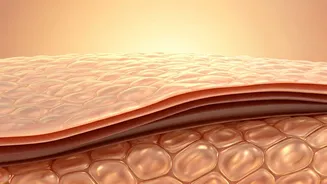
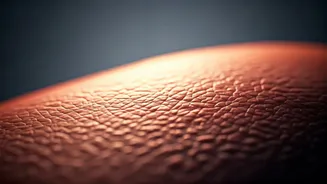
Think of your skin barrier, or stratum corneum, as a brick wall. The skin cells are the bricks, and lipids—like ceramides, cholesterol, and fatty acids—are the mortar holding them together. This wall has two crucial jobs: keeping water in to maintain hydration and keeping harmful things out, such as pollutants and irritants. Harsh exfoliation erodes this mortar, creating cracks in the wall. This allows moisture to escape, a process known as transepidermal water loss, leading to dehydration. It also leaves your skin exposed to environmental stressors, which can trigger inflammation, redness, and sensitivity.
How to Heal and Repair
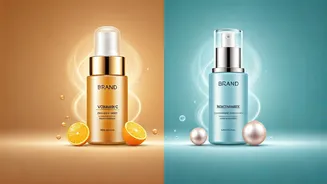
If you suspect you've damaged your skin barrier, the first step is to stop all forms of exfoliation immediately—no acids, no scrubs, no retinol. Simplify your routine to the bare essentials: a gentle, non-foaming cleanser, a hydrating moisturiser, and a broad-spectrum sunscreen every morning. Look for products with barrier-repairing ingredients. Ceramides are non-negotiable, as they are the primary lipids that make up the barrier. Hyaluronic acid and glycerin are excellent for drawing moisture back into the skin. Niacinamide (Vitamin B3) and panthenol (Vitamin B5) are also fantastic for soothing inflammation and supporting the skin's natural healing process. It can take anywhere from two to four weeks, or even longer, for your barrier to fully recover, so patience is key.
Smarter Ways to a Sustainable Glow
Once your skin feels calm and healthy again, you can reintroduce exfoliation carefully. Instead of harsh physical scrubs, consider gentle chemical exfoliants. Polyhydroxy acids (PHAs) and mandelic acid are great options for sensitive skin as they have larger molecules and don't penetrate as deeply. For most people, exfoliating one to two times per week is sufficient. To enhance your glow without over-exfoliating, focus on other aspects of skin health. Incorporate an antioxidant serum, like Vitamin C, in the mornings to protect against environmental damage. Ensure you are consistently using sunscreen, as UV exposure is a primary cause of dullness and damage. Finally, focus on hydration from within and with topical products, because hydrated skin is naturally more radiant.