






More Than Just a Meal
For a growing number of travellers, a holiday is no longer complete without a deep dive into the local food culture. This is the essence of food-led or culinary tourism: travel where the primary motivation is to explore and enjoy unique eating and drinking
experiences. It goes far beyond simply dining at nice restaurants. Modern culinary travel involves hands-on activities like cooking classes, visiting local farms and markets, attending food festivals, and going on guided food tours through city neighbourhoods. This shift represents a move away from passive sightseeing toward active, immersive participation. Travellers are seeking authenticity, and many find that the truest connection to a place's culture and history is through its cuisine. This desire for authentic engagement is a key driver of the trend, with data showing that more than half of all travellers now prioritise food when planning their trips.
The Recipe for a Longer Stay
So, why do these culinary adventures encourage travellers to linger? The answer lies in the nature of the experiences themselves. A quick city break might allow you to see a few landmarks, but truly understanding a region's food takes time. A one-day cooking class might evolve into a multi-day course. A visit to a food festival often sparks the desire to explore the surrounding area, and research shows that over half of travellers will extend their trips specifically for such events. This type of travel is closely linked to the 'slow travel' movement, which prioritises connection to local people, culture, and food over rushing through a checklist of attractions. By settling into one region, travellers can explore the rhythm of local life, from morning market visits to long, leisurely dinners, fostering a much deeper and more memorable connection to the destination.
Tastes of India
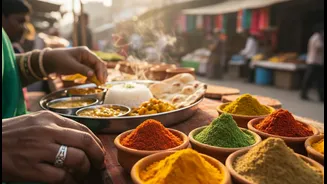
India, with its vast and varied culinary landscape, is a prime destination for food-led tourism. Each region offers a unique gastronomic journey. In Kerala, travellers can spend days exploring spice plantations, learning about the origins of cardamom and pepper before taking a houseboat trip complete with a traditionally cooked meal on the backwaters. In the north, Punjab attracts visitors with its hearty flavours, where food tours in Amritsar offer an immersion into street foods like Chole Bhature and creamy lassi. Rajasthan offers a multifaceted experience, combining cooking classes with cultural events and safaris. Meanwhile, cities like Delhi, Kolkata, and Hyderabad have become hubs for guided food walks that reveal hidden culinary gems and local history through food. These tours and homestays allow visitors to learn recipes and techniques passed down through generations, transforming a simple trip into a rich, educational experience.
A Boost for Local Communities
The impact of food tourism extends far beyond the individual traveller's experience. When tourists stay longer and focus their spending on local food, it provides a significant economic boost to the community. Travellers are now allocating around 25% of their travel budget to food and beverages. This spending directly supports small-scale farmers, artisans, and family-run eateries, helping to preserve agricultural heritage and create jobs, especially in rural areas. For every 10 jobs created directly in food tourism, an additional seven are often created in related sectors like transport and retail. This strengthens local supply chains and fosters a sense of community pride. By choosing authentic food experiences, travellers contribute to a more sustainable tourism model that invests in the people and traditions that make a destination unique.