





The 7kg Challenge: A Traveler’s Reality
Most budget airlines in India and across Asia enforce a strict 7kg limit for cabin baggage. This isn't just a suggestion; it's a rule that can lead to significant fees if you're even slightly over. For many travelers, the bag itself can weigh 1-2kg, leaving
you with just 5kg for a week's worth of clothing, shoes, and toiletries. Packing for a destination with unpredictable, rainy weather makes this even more challenging. The key is not to pack less, but to pack smarter. It requires a shift in mindset from “just in case” to “what’s essential and versatile.”
Your Foundation: The Right Bag and Outerwear
Start with the lightest possible luggage. A minimalist, frameless backpack is often significantly lighter than a hard-shell suitcase. Your most important decision, however, is your rain gear. Ditch the heavy, insulated raincoat. Instead, opt for an ultralight, packable down jacket and a separate, thin waterproof shell. This combination offers superior warmth and rain protection but can be compressed into a tiny bundle. The shell can be worn alone on warmer, rainy days, while the down jacket serves as a cozy layer in the cold. This layering system is far more versatile and space-efficient than a single, bulky coat.
Mastering the Art of Layering
The core of this hack is a strategic layering system. Instead of thick sweaters, think in terms of multiple thin layers that can be added or removed as conditions change. Pack two or three base layers made from quick-drying fabrics like merino wool or high-quality synthetics. These materials are lightweight, warm even when damp, and can be easily washed in a hotel sink and dried overnight. For a mid-layer, a single lightweight fleece or another merino wool top is perfect. This approach allows you to create multiple levels of warmth without the bulk of traditional winter wear.
The 5-4-3-2-1 Packing Method
To avoid overpacking, use a simple formula like the 5-4-3-2-1 rule. This provides structure and prevents you from throwing in last-minute, unnecessary items. For a seven-day trip, this could look like: 5 tops (including your base layers), 4 bottoms (one pair of versatile trousers, one pair of leggings/quick-dry pants, and two others), 3 pairs of socks and underwear, 2 pairs of shoes, and 1 rain jacket/shell combo. Always choose clothes within a cohesive colour palette to ensure everything can be mixed and matched, creating a surprising number of different outfits from a small number of items.
Compression and Rolling: Maximize Your Space
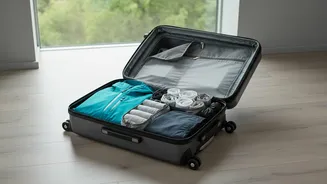
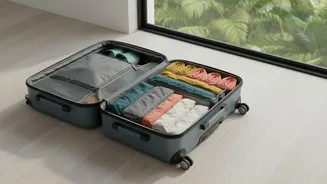
How you pack is as important as what you pack. Tightly rolling your clothes is a classic space-saving technique. For bulky items like your fleece and down jacket, compression packing cubes are a game-changer. These zippered bags allow you to squeeze the air out of soft garments, dramatically reducing their volume. This not only creates more space in your bag but also keeps your items organized. Use one cube for tops, another for bottoms, and a smaller one for underwear and socks.
Wear, Don’t Pack, Your Heaviest Items
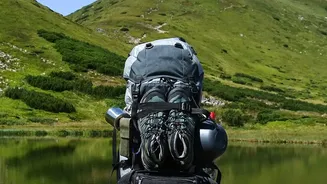
This is the oldest trick in the book for a reason: airlines weigh your bag, not you. On travel day, wear your heaviest and bulkiest items. This means wearing your sturdiest pair of shoes (like walking shoes or boots), your trousers, and your rain jacket or fleece. You can always take layers off once you're through security and settled on the plane. This single step can free up 1-2kg of weight in your carry-on, which is often the difference between compliance and a costly fee.