
What Exactly is Friselle?
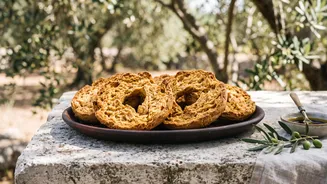
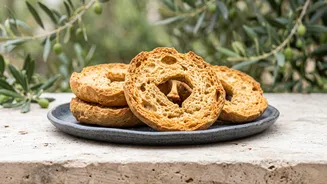
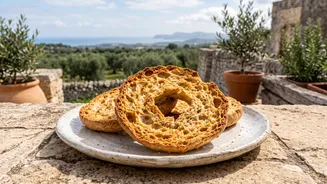
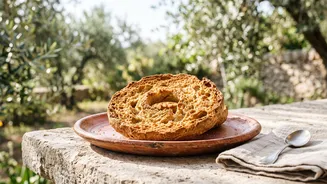
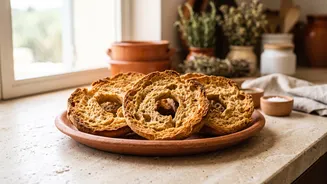
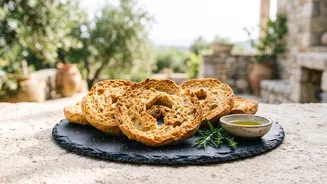
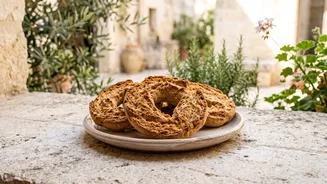
At first glance, friselle (also known as frise, freselle, or frisedde) might look like a hard, bagel-shaped rusk. Hailing from the southern regions of Italy like Puglia, Calabria, and Campania, this bread is defined by its incredibly hard texture and long
shelf life. It's made from simple ingredients like durum wheat or barley flour, water, yeast, and salt. What makes it unique is its double-baking process. The dough is first shaped into rings and baked, then sliced horizontally and baked a second time until all moisture is gone, resulting in a rock-hard, durable bread. This process, known as 'biscottato' (twice-cooked), is the secret to its longevity.
A History Forged by Necessity
Friselle was born from practicality, not poetry. Its origins can be traced back for centuries, with some suggesting similar breads were used by sailors as far back as the 10th century. In a time before refrigeration, long-lasting food was essential. Friselle became the perfect provision for those who undertook long journeys, such as fishermen, traveling merchants, and farmers working in remote fields. It was even nicknamed the 'bread of the Crusaders' for its ability to sustain Christian troops on their way to the Holy Land. The ring shape was also functional, allowing sailors to string the bread on ropes for easy and tidy storage on ships.
The Ritual of Preparation
You should never try to bite into a dry frisella—unless you want to test the strength of your teeth. The essential step to enjoying this bread is rehydration. Traditionally, it was dunked in seawater for a moment to soften it. Today, a quick dip in a bowl of cold fresh water for just a few seconds is all it takes. The goal is to 'wake it up', making the surface pliable while leaving a bit of crunch in the centre, not to turn it into a soggy sponge. Once softened, the rough, porous surface is perfect for soaking up flavours.
Classic Toppings and Modern Twists
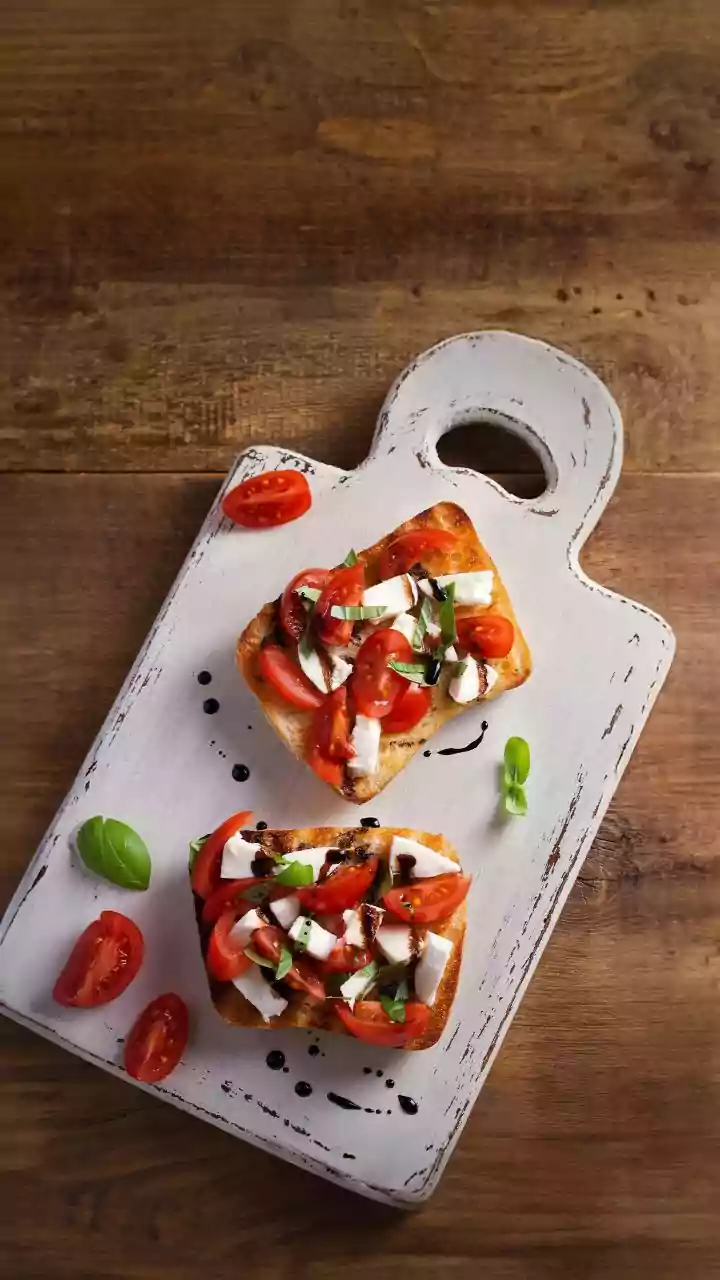
The most classic and beloved way to serve friselle is in true Mediterranean style. After moistening the bread, it is typically rubbed with garlic and then topped with fresh, ripe cherry tomatoes, a generous drizzle of extra virgin olive oil, salt, and a sprinkle of oregano or fresh basil. The juices from the tomatoes further soften and flavour the bread, creating a simple yet incredibly satisfying summer meal. But the versatility of friselle doesn't stop there. In Calabria, it's often topped with sweet Tropea onions and a hint of chilli. Other popular additions include tuna, olives, capers, or even creamy burrata. More modern interpretations treat it like an everything bagel, with toppings like cream cheese and smoked salmon or mashed avocado.