



The Arteries of Ancient Life
Long before the convenience of modern roads, Greece was connected by a complex network of paths. These routes were the essential arteries for trade, communication, worship, and daily life. Shepherds guided their flocks through mountain passes, pilgrims
journeyed to sacred sites like Delphi and Olympia, and entire communities depended on these trails to connect with neighbouring villages. They weren't just routes; they were lifelines carved into the landscape, shaped by geography and human necessity. To walk them today is to understand how the rugged mountains and dramatic coastlines of Greece have always dictated the rhythm of movement and settlement.
Kalderimia: The Stone-Paved Legacy
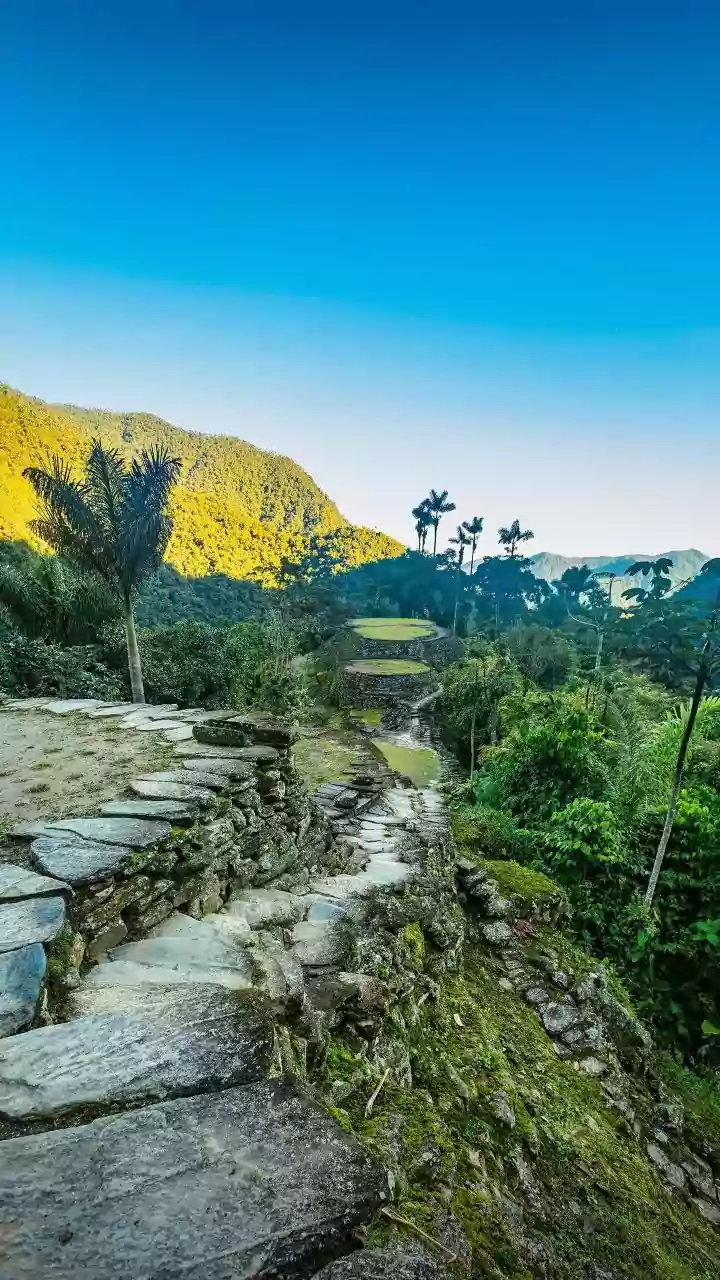
Many of these historic trails are known as 'kalderimia', a term for the stone-paved paths built to withstand the elements and provide sure footing for pack animals like mules. Often around two metres wide, they were engineered to allow two laden mules to pass one another. These tracks, found across mainland Greece and the islands, feature carefully laid flat stones, retaining walls on steep slopes, and even steps built into the terrain. While the name dates to the Ottoman period, many of these paths follow far older routes from the Roman or Venetian eras. Today, organisations and volunteers work to clear and preserve these kalderimia, recognising them as a vital part of Greece's architectural and cultural heritage.
Walking Through Myth in the Peloponnese
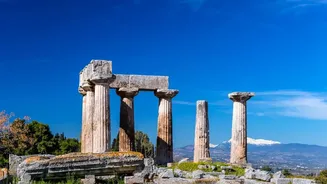
The Peloponnese peninsula is a heartland of Greek myth and history, and its trails offer a direct connection to that past. Arcadia, a region described in ancient texts as a pristine wilderness and the home of the god Pan, is host to the Menalon Trail. This 75-kilometer route, the first in Greece to receive a leading quality certification from the European Ramblers Association, connects historic mountain villages by following old mule paths. Hikers on the Menalon Trail pass by cliffside monasteries founded centuries ago, cross arched stone bridges, and traverse the Lousios River gorge, where water mills once produced gunpowder for the Greek Revolution.
Crete's Crossroads of History
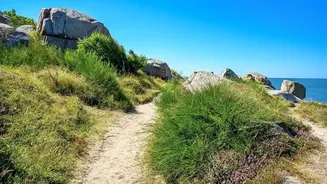
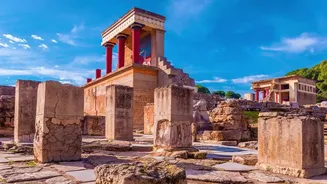
The island of Crete has its own rich tapestry of ancient paths, shaped by millennia of civilisation and conflict. The European long-distance path E4 crosses the island from west to east, revealing a landscape that has been walked since Minoan times. This trail, stretching for hundreds of kilometres, winds through dramatic gorges like Samaria, past remote chapels, and over rugged mountains where resistance fighters once hid during wartime. The Cretan portion of the E4 is not a single path but a network, sometimes splitting into coastal and mountain routes, allowing walkers to experience everything from abandoned ancient towns to pristine beaches.
The Modern Revival of Ancient Ways
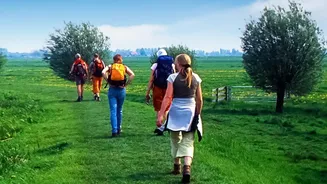
In recent years, there has been a growing movement to restore and promote these historical routes. The 'Paths of Culture' programme by the Hellenic Society for the Environment and Cultural Heritage aims to give new life to paths with significant natural beauty and historical importance. This effort, often driven by local volunteers and cooperatives, involves clearing overgrowth, improving signage, and creating digital maps. The recently launched Peloponnese Mythic Trail Network connects over 1,700km of these restored mule tracks and footpaths, linking UNESCO World Heritage sites like Olympia and Mycenae. These projects not only preserve history but also support rural economies by encouraging a form of tourism that is slow, sustainable, and deeply connected to the landscape.