


Nature’s Timing: The Monsoon Advantage
After the harsh heat of summer, the monsoon brings a welcome reprieve for plants and gardeners alike. The season offers a unique combination of factors that encourage rapid and healthy growth. Temperatures moderate, typically settling into a range of 20°C
to 30°C, which is ideal for seed germination and strong root development. The high humidity in the air helps plants absorb nutrients more efficiently and reduces water loss from leaves, keeping them plump and healthy. This natural climate control means less stress on delicate herbs, allowing them to establish themselves more easily than during the extreme heat of summer or the drier winter months.
Consistent Moisture, Less Work
One of the biggest hurdles for any new gardener is mastering a watering schedule. The rainy season largely takes care of this for you. Consistent, gentle rain keeps the soil evenly moist, reducing the need for daily manual watering. This constant supply of water, which is naturally soft and full of nutrients, helps soften compacted soil and encourages roots to spread out. However, this benefit comes with a crucial warning: the biggest threat during the monsoon is not a lack of water, but too much of it. Without proper drainage, waterlogged soil can suffocate roots and lead to root rot, a fungal condition that can quickly kill a healthy plant.
Best Herbs for Your Monsoon Garden
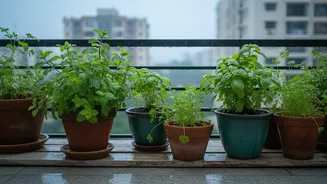
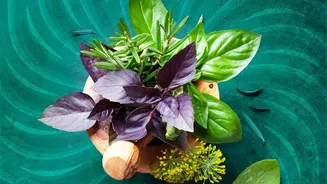
Certain herbs thrive in the humid and moist conditions of the Indian monsoon. Mint (Pudina) is a standout, as the high humidity encourages its famously fast growth and fragrant leaves. Coriander (Dhania), a staple in Indian cooking, also flourishes in the cooler, moist weather of the monsoon. Holy Basil (Tulsi) is another robust choice that grows easily during this season with minimal care, and its immunity-boosting properties are especially valued during the damp months. Other excellent options include lemongrass, ginger, and fenugreek (methi), all of which benefit from the wet conditions to establish strong roots and lush growth.
Essential Care: Drainage is Everything
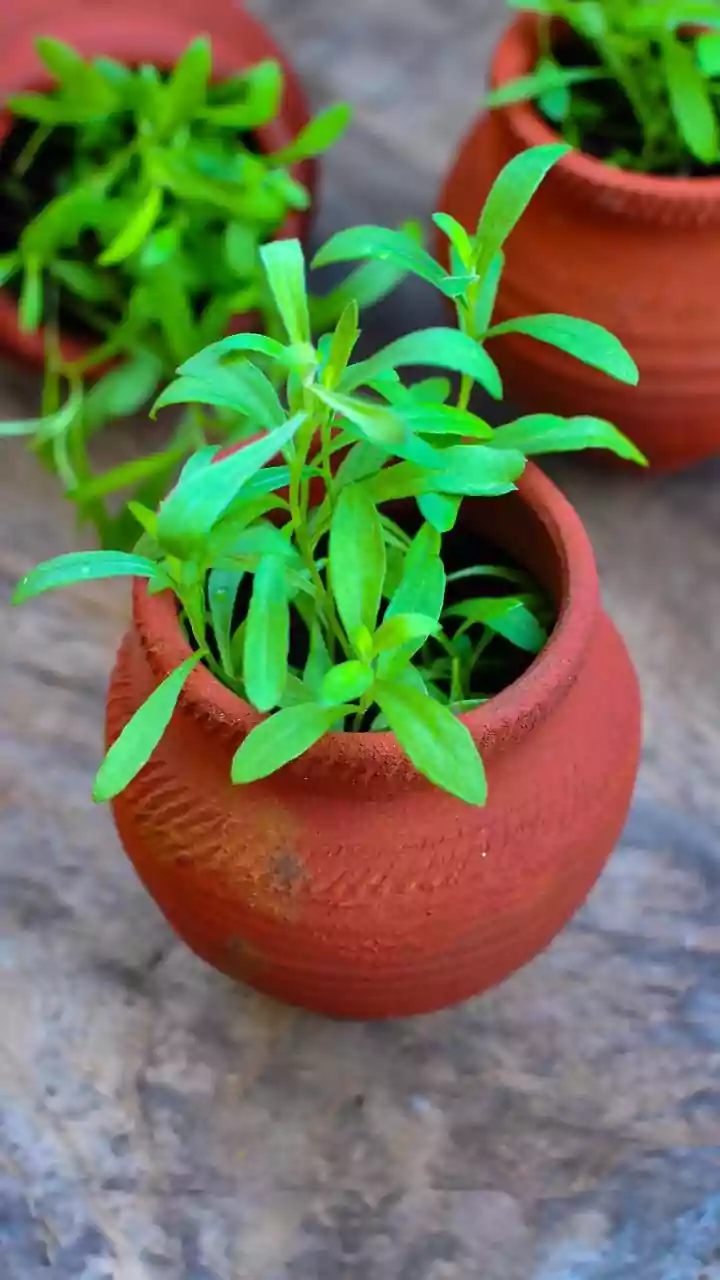
To ensure your monsoon herb garden is a success, focus on preventing waterlogging. Always choose pots with ample drainage holes at the bottom. You can even elevate your pots on bricks or stands to ensure water can escape freely and air can circulate underneath. The right soil mix is just as critical. Avoid using heavy garden soil, which compacts easily when wet. Instead, opt for a light, well-aerated potting mix. A combination of garden soil, compost, and cocopeat or sand is effective because it retains moisture without becoming soggy, providing the perfect balance for healthy roots.
Managing Pests and Promoting Airflow
High humidity doesn't just encourage plant growth; it's also an open invitation for pests and fungal diseases. To counter this, ensure your plants have good air circulation. Avoid crowding pots too closely together and consider regular pruning to open up the plant structure. This helps leaves dry faster after a shower, reducing the risk of fungal issues like powdery mildew or leaf spot. Keep an eye out for common pests like aphids and mealybugs. A simple, organic solution of neem oil mixed with water, sprayed periodically, can effectively manage these pests without resorting to harsh chemicals.
Finding the Right Balance of Sun and Shelter
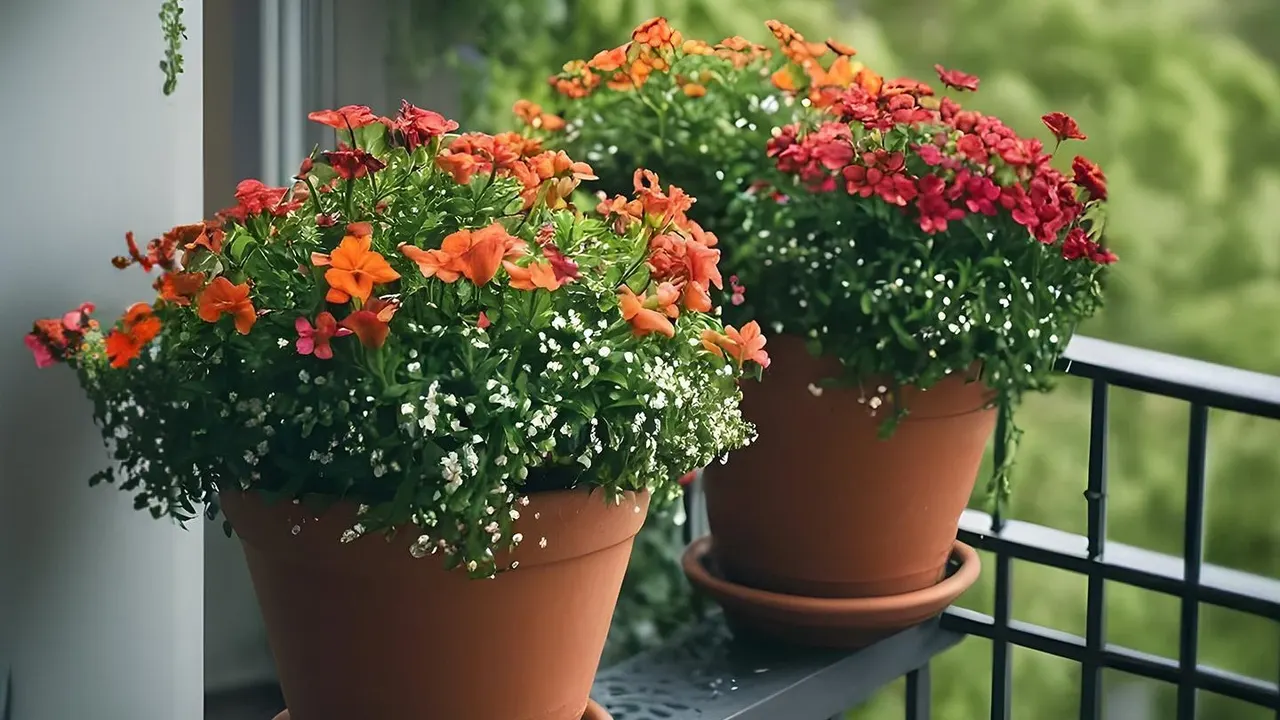
While the rain provides ample water, herbs still need sunlight to thrive—most require at least four to six hours a day. A balcony or windowsill is often an ideal location. However, the monsoon can also bring torrential downpours and strong winds that can physically damage delicate plants. If possible, position your pots where they can receive adequate light but are sheltered from the heaviest rain. This protects the leaves from being battered and prevents the soil from eroding or becoming overly saturated during a particularly intense storm. For many herbs, the gentle morning sun is perfect, while some protection from the harsh afternoon sun, even on a cloudy day, can be beneficial.