





The New Rules of the Road
On September 29, 2026, the Ministry of Power notified the third phase of the Corporate Average Fuel Economy norms, or CAFE-III, which will be effective from April 1, 2027, to March 31, 2032. Unlike previous emission standards that focus on individual
cars, CAFE norms regulate the average fuel consumption across a manufacturer's entire fleet. This means a carmaker's overall sales mix must meet a progressively tightening annual efficiency target. The goal is to achieve a significant improvement in average fuel efficiency, with targets becoming around 16.7% stricter over the five-year period. For a manufacturer with an average fleet weight of 1,229 kg, the target will move from about 94.8 g/km of CO2 in fiscal year 2028 to approximately 78.9 g/km by fiscal year 2032.
It's All About the Average
The core of the CAFE-III framework is its fleet-wide calculation. A carmaker can balance the sales of less efficient, heavier vehicles like SUVs by selling more highly efficient small cars, hybrids, or electric vehicles (EVs). The specific target for each manufacturer is linked to the sales-weighted average weight of the vehicles they sell. After much debate, a proposed special concession for small petrol cars was removed from the final rules. However, the formula still results in relatively more lenient targets for manufacturers with lighter average fleet weights. To ensure compliance, automakers who exceed their targets will accumulate debits, while those who outperform will earn credits. These credits can be traded between manufacturers or even purchased from the Bureau of Energy Efficiency, creating a market-based system to encourage compliance.
A Major Push for Electric and Hybrids
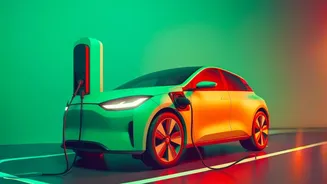
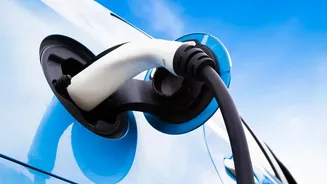
The new regulations are explicitly designed to accelerate the adoption of cleaner technologies. The framework includes a 'super-credit' system that provides significant compliance advantages for greener vehicles. Battery Electric Vehicles (BEVs) receive the biggest boost, with each EV sold counting as three vehicles in the manufacturer's fleet calculation. Strong hybrids get a 1.6x multiplier, while plug-in hybrids and flex-fuel hybrids get an even higher 2.5x factor. This powerful incentive structure makes it strategically beneficial for carmakers to expand their portfolio of electric and hybrid models to help offset the emissions from their conventional petrol and diesel cars. The rules also recognize the use of alternative fuels like ethanol blends and offer credits for deploying specific fuel-saving technologies such as start-stop systems and regenerative braking.
What This Means for Car Buyers
For the average consumer, these changes will translate into a different kind of showroom experience in the coming years. You can expect to see a wider variety of more fuel-efficient models, including a significant increase in the availability of strong hybrids and EVs across different price points. Carmakers will be heavily invested in upgrading their engine technology and integrating features that reduce fuel consumption. While this push for efficiency is a major win for the environment and will lower running costs for owners, it may also lead to higher upfront car prices, as manufacturers pass on the costs of research, development, and new technologies. The era of focusing solely on engine size and power is shifting towards a more balanced consideration of efficiency and environmental impact, reshaping consumer choice in the process.