







Which Carmakers Are Increasing Prices and Why?
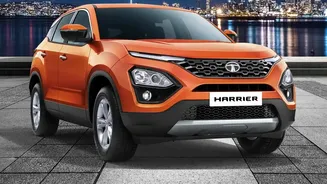
Come September, your new car could cost more. Tata Motors has announced a price hike of up to ₹25,000 across its entire range of passenger vehicles, including both petrol, diesel, and electric models. Similarly, Hyundai Motor India will be increasing
prices by up to 1% across its portfolio. These companies join others like Maruti Suzuki, which already implemented a price revision in August. The common reason cited by all automakers is the relentless pressure from rising input and commodity costs, sustained inflation, and ongoing geopolitical uncertainties that affect supply chains. Carmakers state that while they have been absorbing a significant portion of these increased expenses, they are now compelled to pass a part of the burden onto customers.
The Case for Buying Your Car Now
The most compelling reason to buy a car before the end of August is to avoid the announced price increase. A saving of up to ₹25,000 or 1% of the car's value is a straightforward financial benefit. Beyond just beating the hike, August often sees dealers pushing to clear existing inventory. Some manufacturers and dealerships are currently running 'Freedom Celebration' offers and other schemes with significant benefits. For instance, Tata Motors has discounts of up to ₹55,000 on the Nexon ICE, and Hyundai is offering benefits on models like the Grand i10 Nios and Verna. If the car you want is in stock and comes with a good August deal, purchasing now could offer a double advantage: a pre-hike price combined with a monthly discount.
Why You Might Still Consider Waiting
While buying now seems logical, waiting can also be a smart move. The period from October to November is India's peak festive season, featuring Navratri, Dussehra, and Diwali. Historically, this is when carmakers roll out their most aggressive discount campaigns of the year to capture the auspicious buying sentiment. These festive deals often include substantial cash discounts, exchange bonuses, free insurance, and attractive finance schemes that could potentially offset, or even exceed, the September price hike. For buyers who are not in an immediate hurry, waiting to see what the festive season brings could lead to a better overall deal, even with the revised base prices.
New Models and Year-End Considerations
Another factor to consider is the model year. Cars sold from September onwards are more likely to be the latest model year versions, sometimes with minor feature updates or tweaks. For buyers who prioritize having the newest product, waiting is often preferable. Furthermore, if you can stretch your decision to December, you might find even bigger discounts. December is when dealers are desperate to clear old model-year stock before the calendar turns, leading to significant year-end clearance sales. If having a vehicle manufactured in the previous year doesn't bother you, December often presents the best opportunity for maximum savings, sometimes even more than during the festive season.
How to Make Your Decision
So, what is the right call? It boils down to your personal priorities. Ask yourself a few key questions: Is your need for a new car urgent? If yes, buying now to avoid the price hike makes sense. Are you looking for a specific, popular model that rarely gets discounted? Securing it at the current price is a safe bet. Is your budget flexible, and are you willing to wait for a potentially better offer? If so, the upcoming festive season is worth waiting for. Finally, do your research. Call multiple dealerships, compare the current on-road price with available August offers, and weigh that against the potential for festive discounts on a higher sticker price. Sometimes a good deal today is better than the promise of a great deal tomorrow.