





From Possessions to Moments
There's a palpable change in the aspirations of young, urban Indians. The long-held markers of success—a bigger car, the latest phone, a wardrobe full of brands—are being challenged by a new currency: memorable experiences. This is not just a fleeting
trend but a fundamental shift towards an 'experience economy'. According to a recent report, a staggering 78% of Indian consumers now prefer to spend on experiences rather than physical goods. This shift is driven by the understanding that while the joy from material purchases can fade, the value of memories, personal growth, and stories to tell often appreciates over time. As one recent graduate put it, possessions can feel like a burden, while experiences offer a sense of liberation and create memories to cherish.
The Social Media Effect
It’s impossible to discuss this trend without acknowledging the role of social media. Platforms like Instagram and YouTube have become powerful engines for discovery and aspiration. A feed filled with friends trekking in the Himalayas, attending a music festival in Goa, or learning a new skill in a weekend workshop creates a powerful fear of missing out (FOMO). Experiences, by their nature, are shareable and form a core part of one’s digital identity. For many, status is now tied to the stories they can share. This digital visibility acts as a feedback loop; the more experiences are shared, the more they are desired, turning travel, concerts, and unique activities into markers of a life well-lived. This has a direct impact on purchasing decisions, with some surveys showing that social media influences the choices of a high percentage of shoppers.
The New Definition of Value
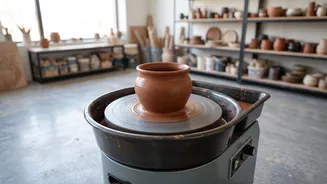
This generation, comprising largely of Millennials and Gen Z, is redefining what constitutes a valuable investment. For them, spending on a solo trip, a wellness retreat, or a professional upskilling course is an investment in personal growth and well-being. Research supports this intuition, consistently showing that experiential purchases provide a longer-lasting boost to happiness than material ones. This mindset is transforming the market, with India's overall experience economy projected to nearly double from about $32.2 billion in 2024 to $59.2 billion by 2030. This growth isn't just in travel. It includes a boom in the live events market—concerts, comedy shows, and festivals—as well as local, everyday experiences like pottery classes and curated food walks.
How They Make It Happen
Prioritising experiences doesn’t mean financial recklessness. In fact, it has ushered in an era of intentional financial planning. Young Indians are becoming adept at 'smarter budgeting'. Rather than impulse buying, they are planning their finances with specific experiential goals in mind. This involves setting aside a portion of their monthly income, much like a Systematic Investment Plan (SIP), but for travel or other life goals. They are using budget-tracking apps, comparing prices meticulously, and opting for flexible payment options. The rise of budget-friendly travel options like hostels and homestays, coupled with an increase in remote and hybrid work models, has made travel more accessible than ever. This generation is proving that budgeting isn’t about compromise; it’s about prioritising what truly matters to them.