




The Great Misconception
On a sweltering, humid day, it’s easy to mistake the layer of sweat and oil on your skin for hydration. The air feels heavy with water, so surely your skin doesn’t need any more moisture, right? This is a common myth. [9] While the air is moist, that
doesn't automatically hydrate your skin in the way it needs. [17] In fact, high humidity can trigger an overproduction of sebum (your skin’s natural oil), leading to that greasy feeling, clogged pores, and potential breakouts. [2, 4] Skipping moisturiser in an attempt to combat this can backfire, as your skin may produce even more oil to compensate for underlying dehydration. [14, 17] The feeling of dampness on your skin's surface isn't the same as having well-hydrated skin cells. [13]
Why Your Skin Still Gets Thirsty
The key to understanding this is a concept called the skin barrier and something known as Transepidermal Water Loss (TEWL). [21] Your skin barrier, the outermost layer, works to keep moisture in and irritants out. [5, 20] While very low humidity is known to dry out skin by increasing TEWL, very high humidity (above 70%) can also disrupt the skin's barrier function. [2] This can make the barrier less effective at holding onto water. Furthermore, many of us escape the outdoor humidity by heading into air-conditioned rooms. These environments have very low humidity and can significantly dry out your skin, increasing water loss. [7, 24] So, even on a humid day, your skin is constantly losing water and its barrier needs support. [13, 17] Moisturising helps to reinforce this barrier, preventing excessive water loss and keeping your skin balanced. [20]
Not All Moisturisers Are Created Equal
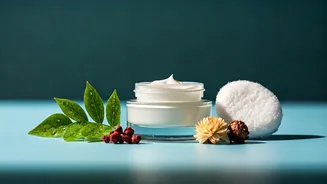
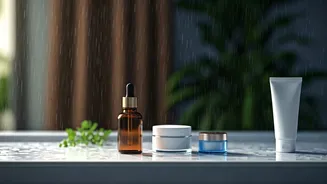
The solution isn’t to skip moisturiser, but to switch to the right kind for the climate. [9] The heavy, rich cream you love in winter is likely not your friend in peak humidity. Moisturisers generally fall into a few categories, and understanding them helps. Humectants (like hyaluronic acid and glycerin) are heroes in humid weather; they draw moisture from the air and pull it into your skin. [6, 8] Emollients (like squalane or certain oils) help to soften the skin. Occlusives (like petrolatum) form a heavy barrier to seal moisture in, but can feel too heavy and pore-clogging in humid conditions. [18] For humid weather, the goal is to find a product that provides hydration without adding a thick, greasy layer.
Your Humid-Weather Moisturiser Checklist
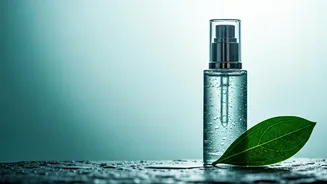
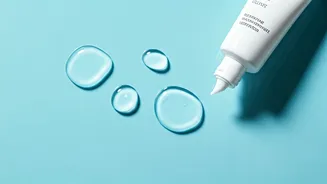
When shopping for a moisturiser to use in high humidity, look for clues on the label. Opt for products described as 'lightweight', 'oil-free', and 'non-comedogenic' (meaning it won’t clog pores). [8, 18] Gel-based or water-based formulas are often the best choice, as they absorb quickly without leaving a heavy residue. [10, 11, 18] Key ingredients to look for include hyaluronic acid for lightweight hydration and niacinamide, which can help regulate oil production and support the skin barrier. [6, 18, 19] If you have oily or acne-prone skin, a gel moisturiser is particularly suitable. [11, 15] For those with dry skin who still need hydration in humidity, a lightweight lotion or a gel-cream can provide moisture without the weight of a thick cream. [14]