





Appreciate the Artistry
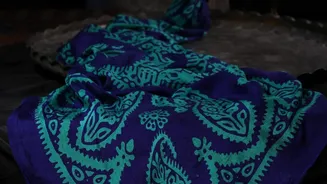
Before decorating, it helps to understand what makes indigo batik so special. Created using a wax-resist dyeing technique, artisans apply wax to fabric to create intricate designs. When the fabric is dyed in natural indigo, the waxed areas resist the colour,
revealing the stunning motifs after the wax is removed. Because this process is done by hand, no two pieces are ever identical. You'll find slight variations in dye saturation, tiny cracks in the pattern where the wax has split, and a human touch that can't be replicated by a machine. These are not imperfections; they are the signature of the craft. This handmade quality means the fabric has a story, often reflecting cultural symbols of nature, harmony, and joy.
Create a Powerful Focal Point
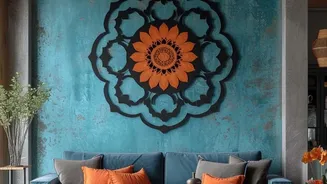
One of the most effective ways to showcase a stunning textile is to make it the hero of the room. A large indigo batik, whether hung as a wall tapestry, draped over the back of a sofa, or used as a bedspread, immediately draws the eye. This approach allows the full scale and complexity of the pattern to be appreciated. When using a large piece, keep the surrounding elements relatively simple. A wall painted in a soft, neutral colour like beige or a warm white will provide a perfect backdrop, allowing the deep blue of the indigo to take centre stage without competition.
Frame It Like Fine Art
For smaller or particularly intricate pieces of batik, framing is an excellent way to elevate the textile and draw attention to its fine details. Treating the fabric like a piece of art encourages viewers to look closer at the delicate lines and subtle colour variations. You can frame a single piece or create a gallery wall with several smaller swatches. This works especially well in hallways, entryways, or above a console table. A simple, modern frame in black, white, or natural wood will complement the textile without overpowering it, ensuring the focus remains on the beautiful handiwork. This method protects the fabric while transforming it into a sophisticated design element.
Layer With Contrasting Textures
To make the unique texture of cotton batik truly pop, surround it with other materials. The rich, deep hue of indigo pairs beautifully with natural elements. Think about combining batik pillows with a worn leather sofa, placing a batik table runner on a rustic wooden dining table, or laying a batik throw over a chunky wool blanket. These contrasts in texture—smooth leather, rough wood, soft wool—highlight the crispness of the hand-dyed cotton. This layering technique adds depth and a sense of curated comfort to your space, making it feel more inviting and visually interesting.
Mix Patterns Thoughtfully
While an intricate batik pattern can stand alone, it can also be mixed with other prints for a more dynamic, bohemian look. The key is to vary the scale of the patterns. If your batik has a large, bold design, pair it with smaller, more subtle prints like thin stripes or small geometric shapes. To maintain harmony, stick to a cohesive colour palette. Pull complementary colours from the indigo family or introduce a warm accent like terracotta or mustard yellow to create a balanced look. This approach allows the batik to remain the star while creating a rich, layered aesthetic that feels personal and collected over time.
Use in Unexpected Places
Think beyond pillows and throws. The durability of batik fabric makes it suitable for a variety of creative applications that can highlight its beauty in surprising ways. Consider using a striking piece of batik to upholster a small footstool, an ottoman, or the seat of a dining chair. A strip of batik can become a unique lampshade, casting a beautiful blue glow when lit. You can also use decoupage techniques to apply smaller pieces of the fabric to decorative boxes, trays, or even the front of dresser drawers. These unexpected touches add a bespoke, artisanal feel to your decor, embedding the craft into the very structure of your home.