



The Double-Edged Sword of High Humidity
When the air is saturated with moisture, it might seem like a good thing for skin hydration. To an extent, it is; the skin can draw moisture from the air, giving it a plump appearance. However, high humidity often comes with a downside, especially for those
with oily or combination skin. This environment can cause your sebaceous glands to go into overdrive, producing excess oil (sebum). This surplus oil can mix with sweat, dirt, and dead skin cells, leading to clogged pores, blackheads, and acne breakouts. The warm, moist conditions are also an ideal breeding ground for bacteria and fungi, which can potentially lead to skin infections or exacerbate conditions like eczema and heat rash.
The Challenge of Low Humidity and Dry Air
On the opposite end of the spectrum is low humidity, common in colder climates, desert environments, or even just artificially heated indoor spaces during winter. When there's little moisture in the air, the environment can actually pull water away from your skin through a process called transepidermal water loss. This depletes your skin’s natural hydration, leaving it feeling tight, dry, and flaky. A compromised moisture barrier makes the skin more vulnerable to irritants and can make fine lines and wrinkles appear more pronounced. Without adequate moisture, dead skin cells may not slough off properly, leading to a dull complexion and further irritation. For some, this extreme dryness can trigger an overcompensation from oil glands, creating a confusing combination of dehydrated yet oily skin.
For High Humidity: Lighten Up Your Routine
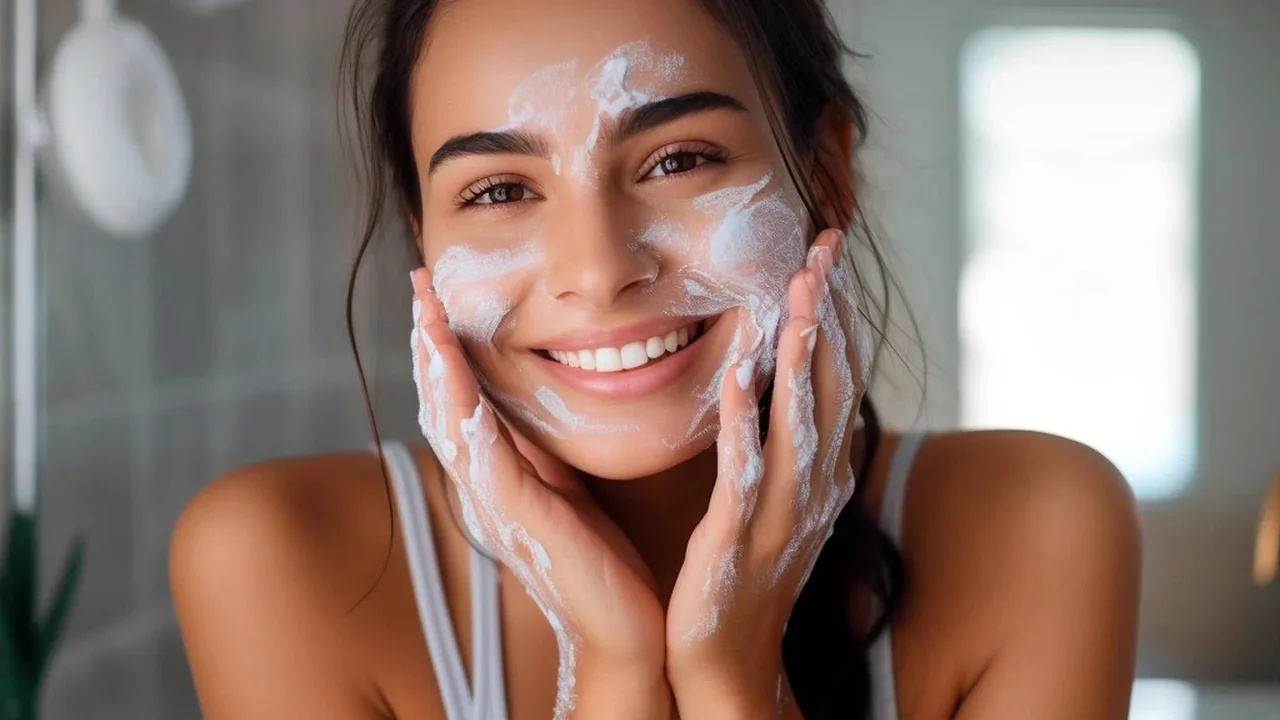
When battling muggy weather, the goal is to control oil and prevent clogged pores without stripping the skin. Start with a gentle but effective cleanser. A foaming cleanser can help remove excess oil without being too harsh. Follow up with lightweight, water-based products. Look for non-comedogenic (pore-clogging) formulas. Gel moisturizers and serums containing hyaluronic acid are excellent choices, as they provide hydration without feeling heavy. Hyaluronic acid is a humectant that draws moisture from the air into your skin, which is perfect for a humid environment. Niacinamide is another star ingredient for humid climates, as it helps regulate oil production and reduce the appearance of pores. And no matter how cloudy or damp it seems, daily sunscreen is non-negotiable to protect against UV damage.
For Low Humidity: Focus on Rich Hydration
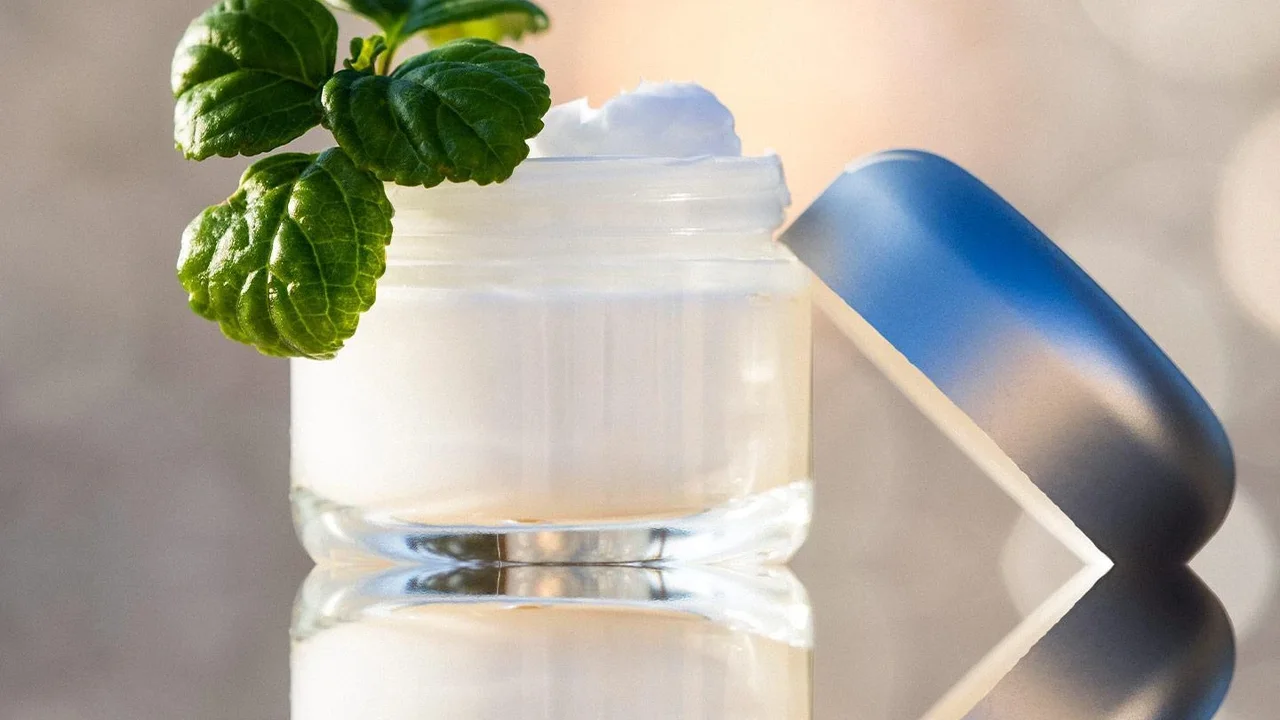
In dry conditions, your focus should shift to replenishing and locking in moisture. Swap your lightweight cleanser for a non-foaming, cream-based, or hydrating option that won't strip your skin's natural oils. This is the time to bring in richer, more emollient moisturizers. Look for ingredients like ceramides, which help repair the skin's natural barrier to prevent moisture loss, and glycerin, which is a powerful humectant that works well even in low humidity. Applying your moisturizer to damp skin immediately after washing can help seal in that extra water. For an added layer of protection, especially at night, consider an occlusive product like a thick cream or ointment to create a physical barrier against moisture loss. Using a humidifier in your home or office can also make a significant difference by adding much-needed moisture back into your immediate environment.