


The Science of the Spectacle
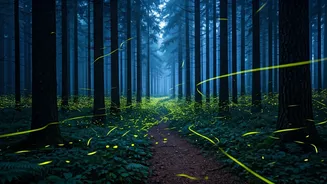
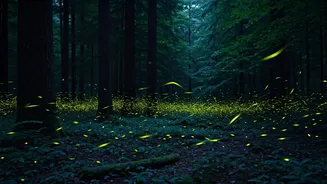
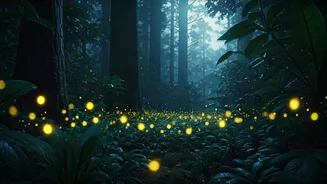
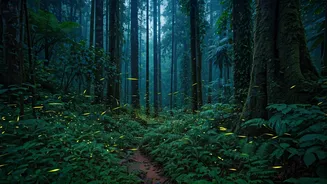
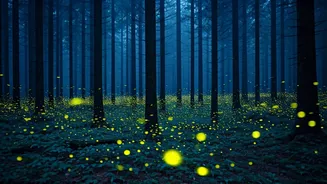
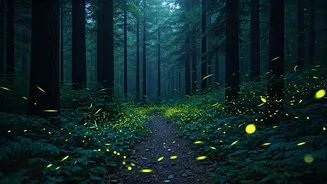
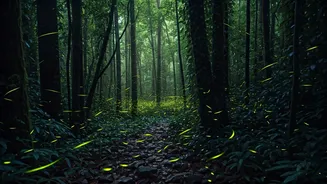
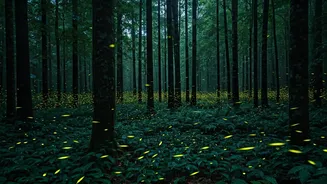
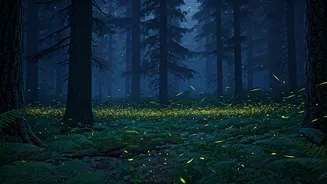
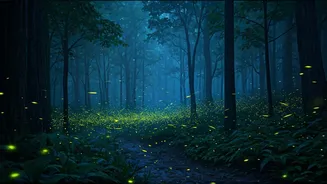
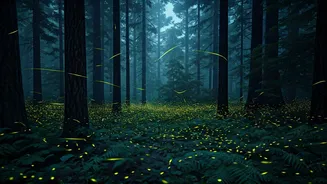
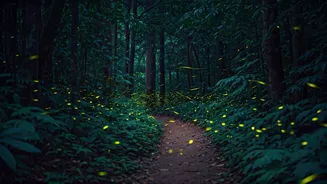
Before you pack your bags, it helps to understand the magic. What we witness is the fireflies' pre-monsoon mating ritual. The males fly around, flashing a specific light pattern to attract females, who often respond with their own faint glow from perches
on leaves and branches. This silent, luminous conversation is made possible by bioluminescence—a chemical reaction within their bodies that produces light without heat. This natural light show is incredibly sensitive to environmental changes, which is why seeing a forest teeming with them has become an increasingly rare and precious experience.
When and Where to Go
The window for this experience is short and specific, typically starting in mid-May and lasting until the heavy monsoon rains arrive in mid-to-late June. The best sightings occur on dark, moonless nights. While firefly populations exist in many forested areas, certain regions in India have become famous for their dense congregations, turning entire valleys and forests into a glittering paradise. The Western Ghats, particularly in Maharashtra, are the epicentre of firefly tourism in India, offering numerous organised trails and festivals.
Maharashtra’s Luminous Landscapes
For the most reliable sightings, Maharashtra is your best bet. The village of Purushwadi, championed by organisations like Grassroutes, hosts a renowned Fireflies Festival. Here, you can stay in local homestays and be guided by villagers through fields and forests that come alive after dusk. Another popular destination is Bhandardara, a hill station nestled by the Pravara River. The surrounding forests of the Ratangad and Harishchandragad region are famous for their dense firefly populations. For the more adventurous, the trek to Rajmachi Fort, near Lonavala, offers a chance to camp and witness the spectacle in a more rugged, historic setting.
Beyond the Usual Trails
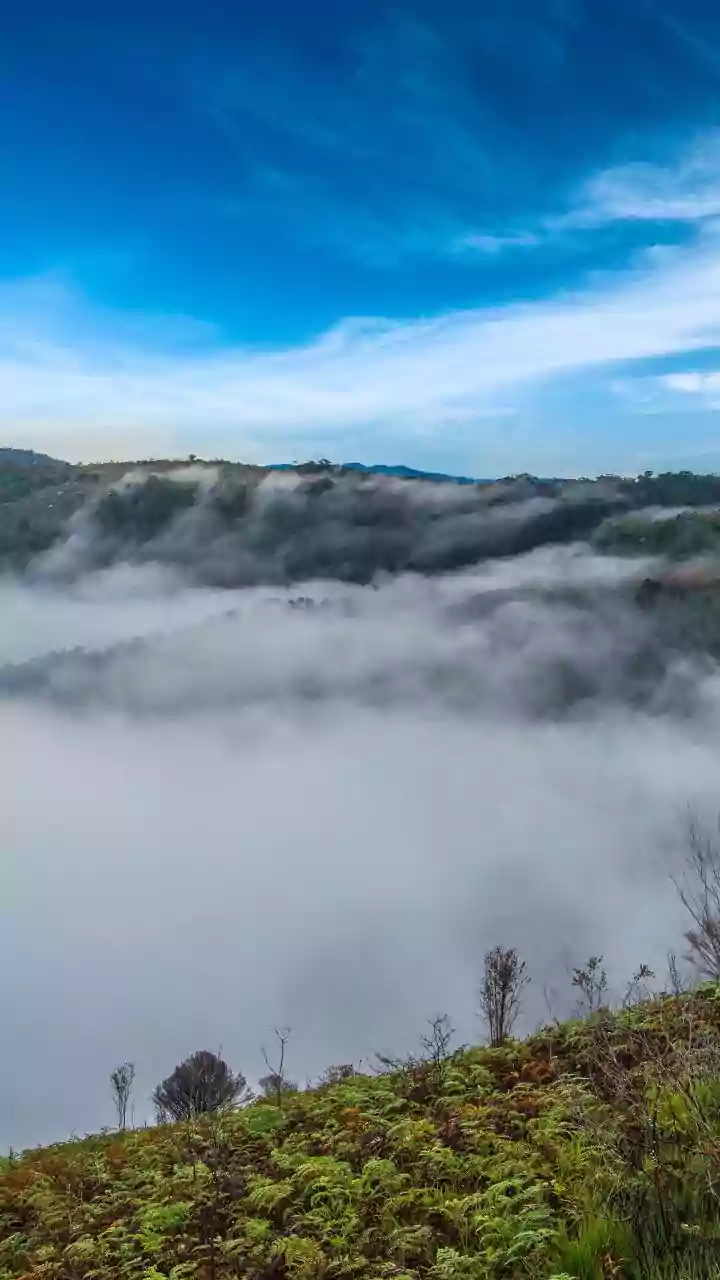
While Maharashtra gets most of the attention, you can find these glowing insects elsewhere. Parts of Coorg in Karnataka, with its dense forests and coffee plantations, offer a serene backdrop for firefly watching, though it's less commercialised. The Anamalai Tiger Reserve in Tamil Nadu is another biodiversity hotspot where fireflies thrive, though access might be more restricted. Travellers have also reported significant sightings in parts of Goa away from the coast, and in specific forested pockets of Madhya Pradesh. The key is to find rural, forested areas with minimal light pollution just as the humidity begins to build before the monsoon.
A Guide to Responsible Viewing
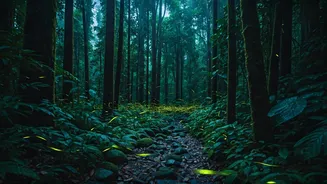
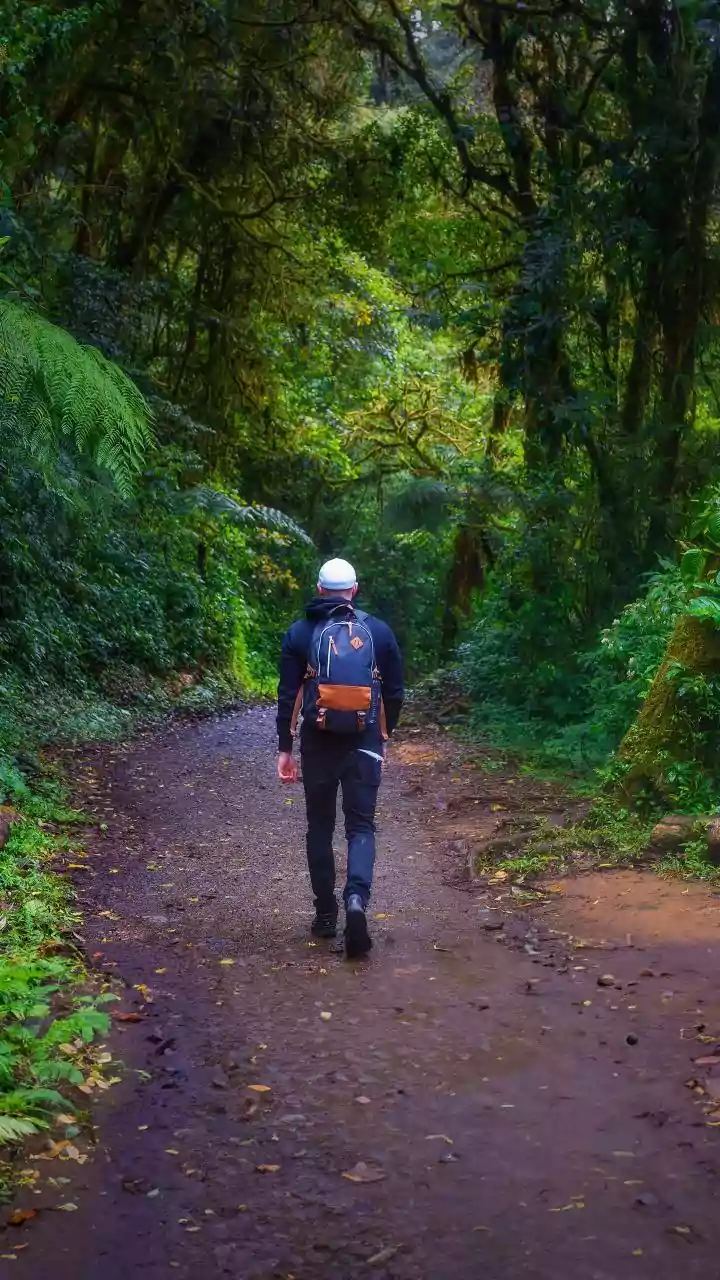
This natural wonder is fragile. To ensure fireflies continue to thrive, responsible tourism is non-negotiable. First and foremost, leave your flashlights and mobile flashes off. The artificial light disrupts their mating patterns and can ruin the experience for everyone. Walk quietly and slowly, allowing your eyes to adjust to the dark—the show is more impressive that way. Never, under any circumstances, try to catch the fireflies. Wear comfortable, closed-toe shoes suitable for walking on uneven forest paths, and consider applying a natural insect repellent. The goal is to be a silent, respectful observer in their world, not a disruptor.
Planning Your Trip
Given the short season, planning is essential. Many popular destinations like Purushwadi and Bhandardara require advance booking, especially for weekend trips. You can book through dedicated tour operators who handle transport, accommodation (often rustic homestays or campsites), and guided walks. If you plan to go independently, ensure your accommodation is booked and you know the local routes. Check the weather forecast; while a light pre-monsoon shower is fine, heavy rain will send the fireflies into hiding. Go with a mindset of patience. This isn't a theme park ride; it’s a natural event that requires you to slow down and simply watch in awe.