




Beyond the Wider Seat
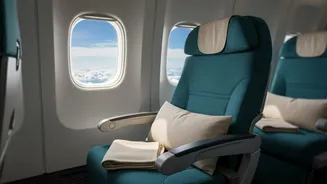
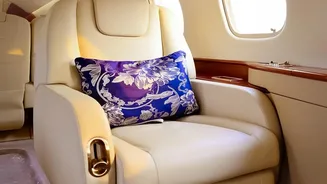
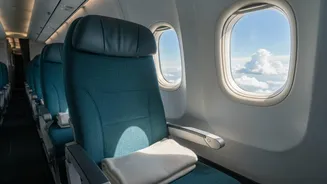
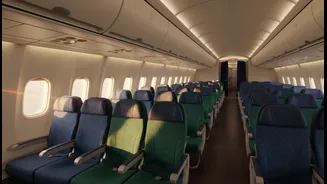
Let's get the obvious out of the way. Yes, premium economy offers a physically better seat. You can expect anywhere from five to seven inches of extra legroom, a wider seat cushion, and a deeper recline. On airlines like Emirates and Japan Airlines, this
can mean a seat pitch of 40 inches or more, a significant upgrade from the typical 31-33 inches in economy. This extra space is crucial on overnight flights, making it more realistic to get some rest and arrive feeling less cramped. But if that’s where your evaluation stops, you’re only seeing half the picture. The real value proposition is about buying a better overall experience, not just renting a piece of furniture.
Erasing Airport Anxiety
The stress of travel often begins long before you board. It’s in the long queues for baggage drop, the crowded security lines, and the gate-side scramble for overhead bin space. This is where a good premium economy ticket starts to shine. Most of these fares include priority services. This means dedicated check-in counters, and crucially, priority boarding. Getting on the plane early isn't about ego; it’s a strategic advantage that eliminates the worry of having to gate-check your carry-on. You get to settle in, store your bag, and relax while the main cabin boards. Some airlines also provide priority baggage handling, so your bags are among the first on the carousel at your destination. These perks systematically dismantle the most common stress points of the airport journey.
A Calmer Cabin, A Better Headspace
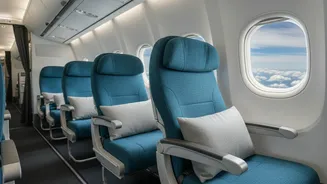
Premium economy is almost always a separate, smaller cabin. This isn't just a marketing gimmick; it has a profound psychological effect. With fewer passengers—often arranged in a more spacious 2-3-2 or 2-4-2 configuration instead of the dense 3-4-3 of economy—the environment is noticeably quieter and calmer. There's less foot traffic in the aisles, less noise, and a greater sense of personal space. The service is also more attentive. With a higher crew-to-passenger ratio, you’re more likely to receive proactive service. The experience often includes an elevated meal service, sometimes with real cutlery and chinaware, a welcome drink, and better-quality amenity kits. It's a collection of small details that make you feel cared for, reducing the mental fatigue that builds during a long flight.
Arriving Ready, Not Wrecked
The ultimate benefit of a superior travel experience is how you feel upon arrival. The combination of better rest, reduced stress, and a more comfortable environment means you land in a better state, both physically and mentally. For business travellers, this means being sharp for a meeting without needing a full recovery day. For those on holiday, it means starting your vacation the moment you land, not with the exhaustion and irritability of jet lag. The goal of a good premium economy fare isn't just to make the flight more tolerable; it's to protect your first day at your destination. It's an investment in your time and energy.
How to Judge the 'Premium'
Not all premium economy products are created equal. When booking, look beyond the price and the legroom. Ask yourself: Does this fare include priority airport services? What is the cabin configuration? Airlines like Air India and Vistara are increasingly offering a true premium product on domestic and international routes, with dedicated cabins and enhanced service. Check the specifics of the meal service and the amenity kit. Some airlines, like Singapore Airlines, even allow you to pre-select meals from an expanded menu. A fare that only offers a slightly bigger seat for a significant price jump is just economy-plus. A true premium economy fare offers a bundled upgrade to your entire journey, reducing friction and discomfort at every step.