




The Geographic Connection
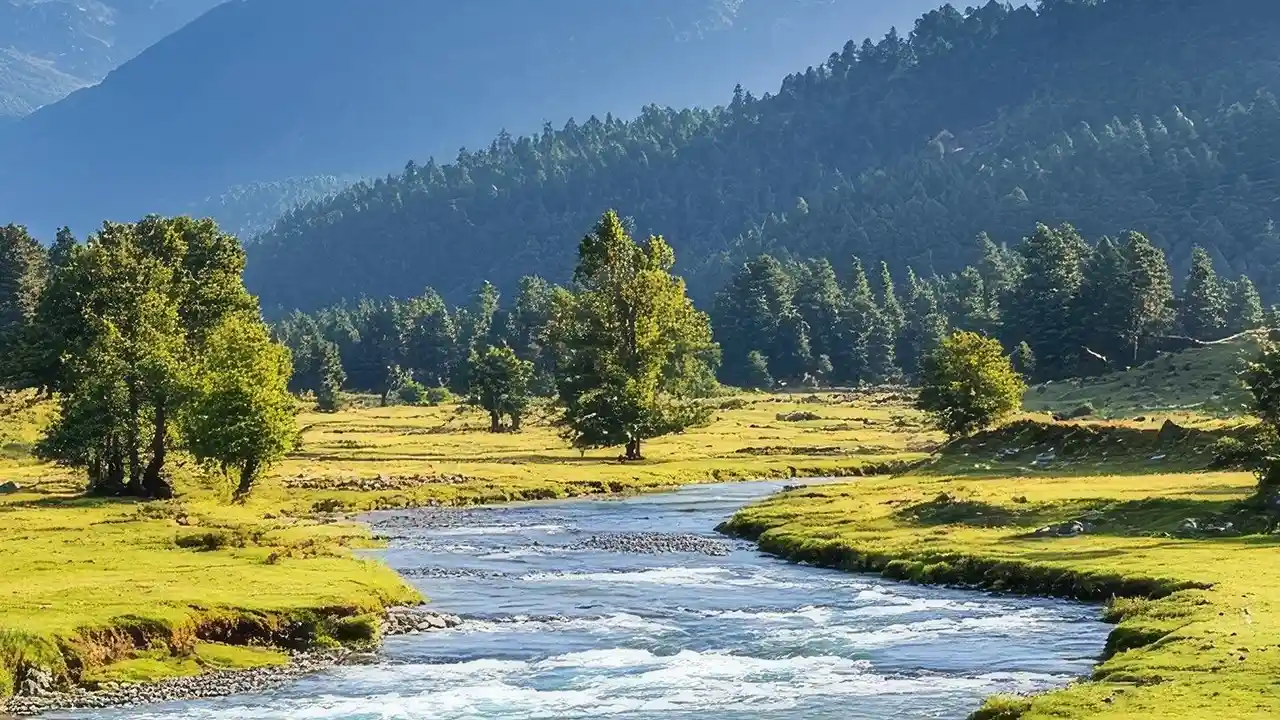
The geography of South Asia is defined by the Himalayas. Many of the region's most significant rivers, including the Kosi, Gandak, and Ghaghara, originate in the high mountains of Nepal before flowing down into the densely populated plains of India, particularly
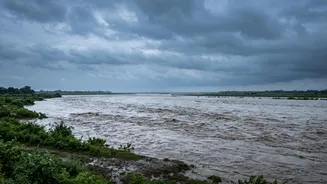
in states like Bihar and Uttar Pradesh. This trans-boundary river system means that a major event upstream in Nepal has direct and often severe consequences for communities downstream in India. Historically, heavy monsoon rains in Nepal have been a primary cause of flooding in Bihar, a state where more than 70% of the land is vulnerable to floods.
The Initial Disaster's Ripple Effects
A major Himalayan event, such as an earthquake, avalanche, or intense cloudburst, does more than just cause immediate destruction. It fundamentally destabilizes an already fragile landscape. Recent events in Nepal on August 26, 2026, saw a flash flood triggered by a suspected glacial lake outburst, causing a deadly surge in the Bhotekoshi and Trishuli river systems, which feed into India's Gandak river. This initial event can trigger a cascade of secondary hazards that pose a continued threat long after the initial shaking or downpour stops. Authorities in Bihar were immediately put on high alert, opening all 36 gates of the Valmikinagar Barrage on the Gandak as a precaution.
The Danger of Landslide Dams
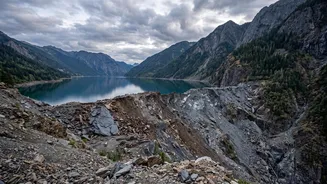
One of the most significant secondary threats is the formation of landslide dams. A massive landslide can send millions of tonnes of rock, soil, and debris into a river valley, creating a temporary, unstable barrier that blocks the river's flow. Water accumulates behind this natural dam, forming a large lake. These dams are inherently weak and can breach without warning due to the immense pressure of the water building up behind them. When they fail, they release a sudden, massive torrent of water and debris downstream, a phenomenon known as a Landslide Lake Outburst Flood (LLOF), which can be far more destructive than the initial flood.
The 'Ticking Bomb' of Glacial Lakes
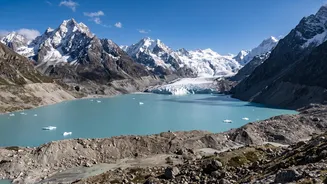
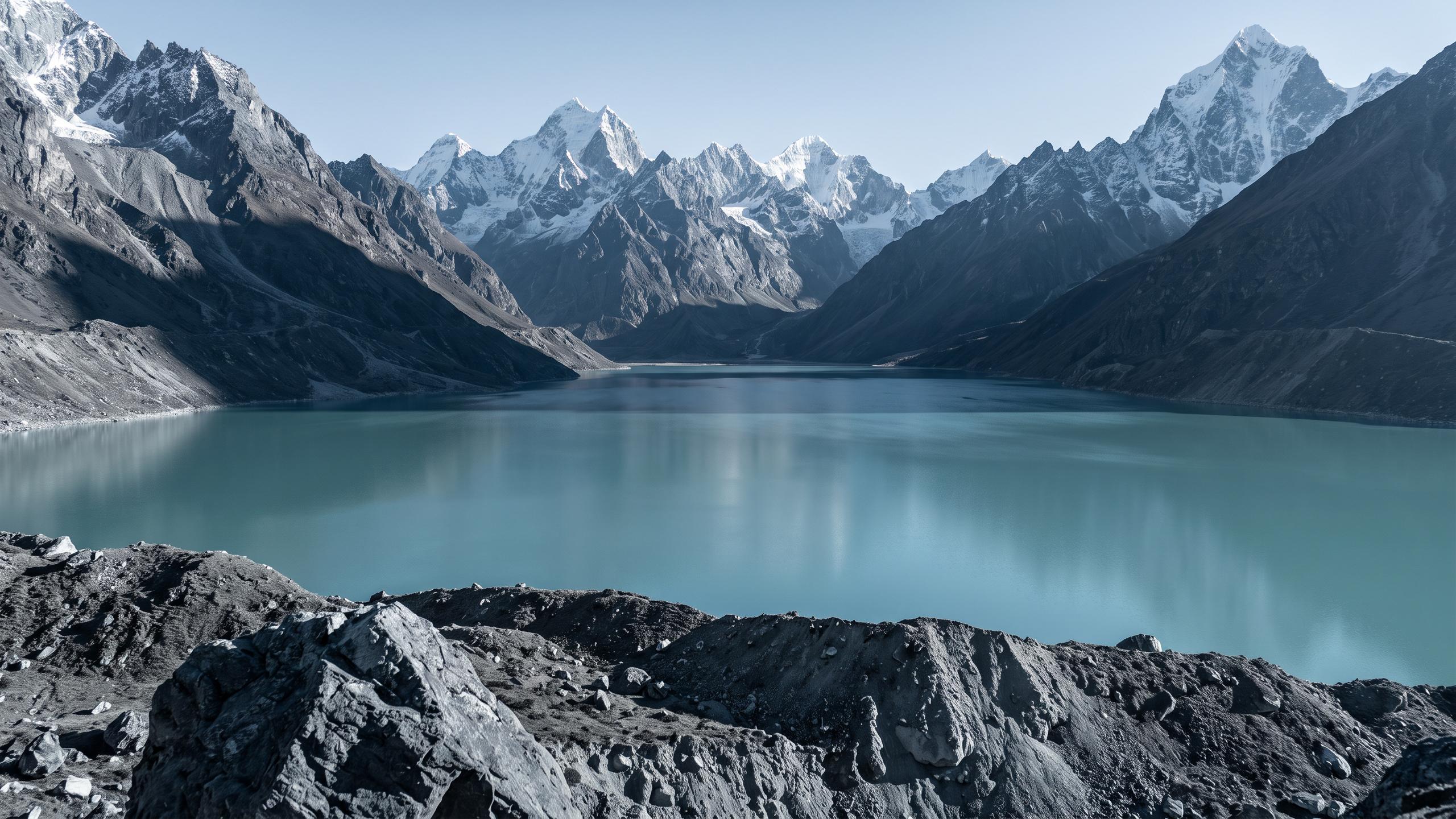
Another grave concern is a Glacial Lake Outburst Flood, or GLOF. As climate change causes Himalayan glaciers to melt at an accelerated rate, they form vast lakes, often held back only by moraines—dams made of loose rock and debris left by the retreating glacier. An initial disaster like an avalanche or earthquake can destabilize these moraine dams or send a wave of ice and rock into the lake, causing it to overtop and burst. The resulting flood is incredibly powerful, carrying not just water but boulders and silt at high speeds. The August 2026 flood in Nepal was suspected to be a GLOF, highlighting the very real and present danger.
Monsoon Rains as a Threat Multiplier
Compounding all these risks is the monsoon season. Heavy and sustained rainfall can saturate the already unstable slopes, increasing the likelihood of new landslides. The rain also adds immense volume and pressure to rivers and any temporary lakes formed by blockages, dramatically increasing the risk of a breach. Moreover, rivers flowing from Nepal are laden with silt, which gets deposited in the flatter plains of Bihar, raising riverbeds and reducing their water-carrying capacity over time, making them more prone to overflowing their banks during surges.