


What Is This 'Sky Dance'?
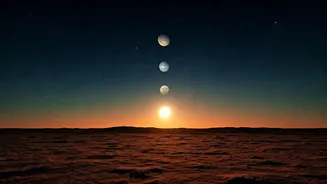
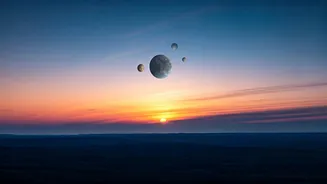
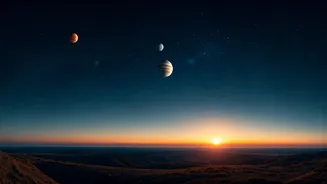
In astronomy, this event is called a planetary conjunction. It's a line-of-sight phenomenon. The planets aren't actually close to each other in space—in fact, they remain hundreds of millions of kilometres apart. But from our vantage point here on Earth,
their orbits cause them to appear close together in a small patch of sky. Think of it like seeing two distant ships on the ocean appearing right next to each other from the shore. The 'dance' is simply our perception of their majestic, slow-moving paths across the heavens as they align from our perspective.
Why Tonight's Grouping Is Special
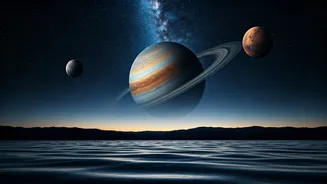
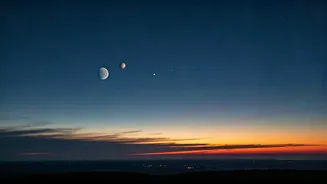
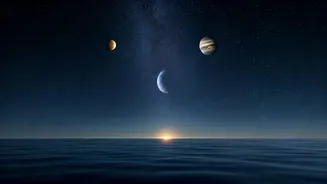
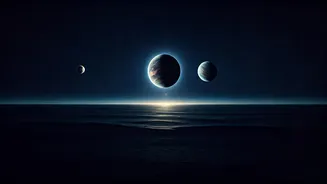
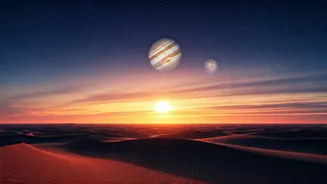
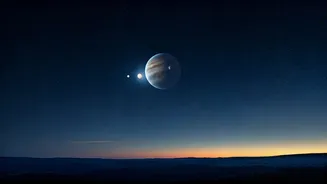
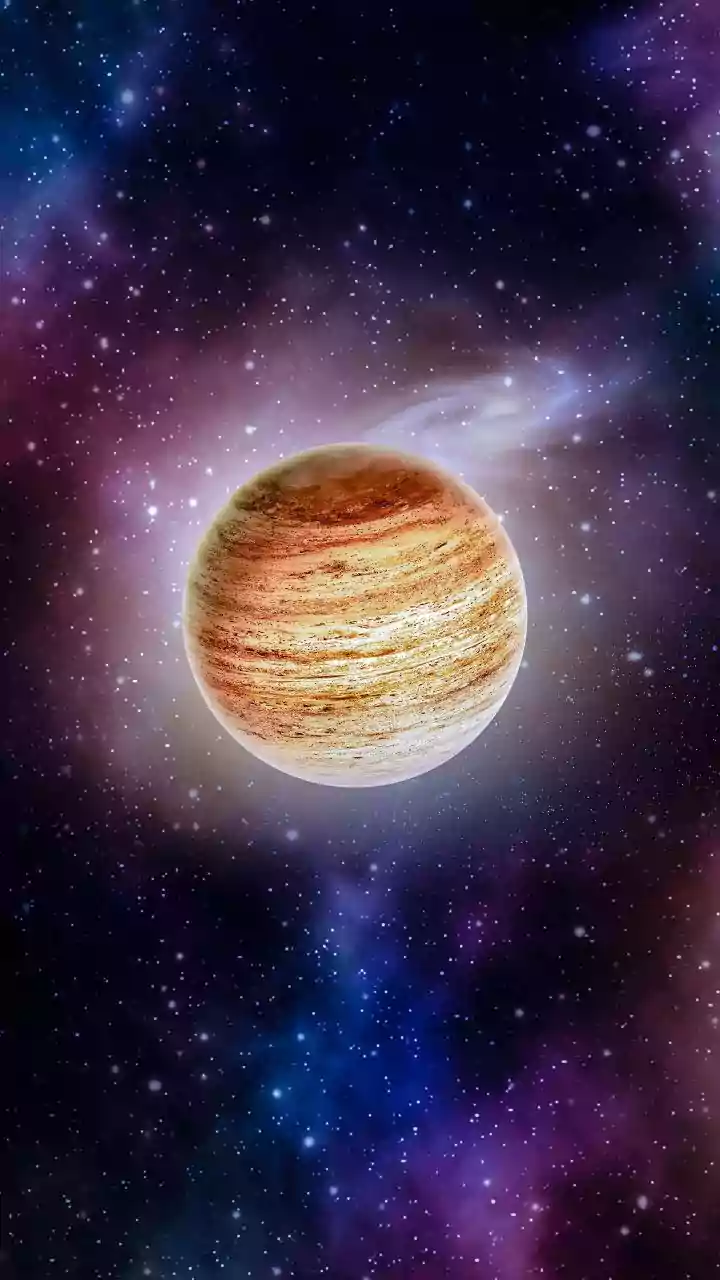
While conjunctions involving two planets are relatively common, seeing three bright planets clustered together is a rarer treat. Tonight's trio features two of the brightest objects in our sky and one of the most elusive. Venus, often called the 'Evening Star,' is dazzlingly bright, and Jupiter, the king of planets, shines with a steady, powerful light. The guest of honour, however, is Mercury. As the closest planet to the Sun, Mercury is usually lost in the solar glare. It only ever appears for a short time in the twilight or dawn, low on the horizon. Seeing it at all is a challenge for many sky-watchers; seeing it alongside Venus and Jupiter is what makes this event a must-see.
How to Find the Planets
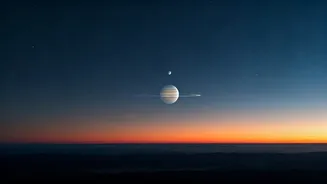
Timing and direction are everything. The show begins shortly after sunset. You need to look towards the western horizon, the same direction the Sun just disappeared. As the sky darkens from deep blue to black, the planets will emerge. Venus will likely be the first object you spot; its brilliance is unmissable. Jupiter will appear nearby, not as bright as Venus but still outshining every star around it. The real challenge is Mercury, which will be the faintest of the three and closest to the horizon. You have a limited window of about 45 to 60 minutes after sunset before the planets themselves dip below the horizon. Don't wait too long, or you'll miss them.
Your Viewing Checklist
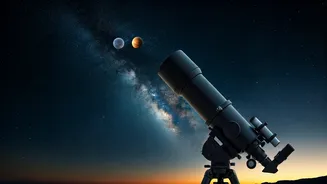
The best part about this celestial event is its accessibility. You don't need expensive equipment. Here’s a simple checklist for the best experience: 1. **Find a Clear View:** Your biggest enemy is obstruction. Find a spot with an unobstructed view of the western horizon. A rooftop, a park, or a field away from tall buildings and trees is ideal. 2. **Escape the Lights:** City lights can wash out fainter objects like Mercury. If you can, get to a location with less light pollution. Even moving to a darker corner of a local park can make a difference. 3. **Bring Binoculars (Optional):** While the planets are visible to the naked eye, a simple pair of binoculars will transform your view. They will make Mercury pop out from the twilight glow and might even reveal Jupiter's four largest moons, looking like tiny pinpricks of light huddled close to the planet. 4. **Be Patient:** Give your eyes at least 10-15 minutes to adjust to the darkness. Avoid looking at your bright phone screen, as it will ruin your night vision.