







As winter arrives, so does the craving for warm, comforting meals. In India, nothing says winter quite like a hearty bowl of saag. This isn't just one dish, but a world of vibrant, nutrient-packed greens ready to explore.
What Exactly Is Saag?
Often mistaken for just a spinach
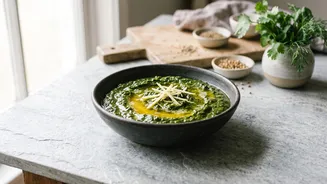
dish, 'saag' is a broad term from the Indian subcontinent for dishes made with leafy greens. The most famous version is 'Sarson da Saag' from Punjab, made with mustard greens, but the variations are endless. Depending on the region and season, saag can be made from spinach (palak), fenugreek (methi), amaranth (chaulai), or chenopodium (bathua), often in combination. Each green brings its own unique flavour and texture, transforming the simple concept into a diverse culinary tradition. The core idea remains the same: slowly cooking down greens with spices until they become a rich, flavourful and deeply comforting meal.
A Nutritional Powerhouse: Comparing The Greens
While all leafy greens are healthy, they each offer a distinct nutritional profile. The choice of green directly impacts the health benefits of your saag. Mustard Greens (Sarson): The star of the classic Punjabi saag, sarson is known for its pungent, slightly peppery flavour. It is an incredible source of Vitamin K, essential for bone health, and packed with Vitamins A and C, which boost immunity—a welcome benefit during the cold season. Its high antioxidant content also helps fight inflammation. Spinach (Palak): Milder in flavour, palak is one of the most versatile greens. It is famously rich in iron and folate, which are vital for energy levels and preventing anaemia. While mustard greens are higher in Vitamin K and C, spinach provides more potassium and magnesium. Its accessibility and nutritional value make it a popular addition to many saag recipes to balance the bitterness of other greens. Chenopodium (Bathua): A lesser-known but highly nutritious winter green, bathua has an earthy flavour. It is prized for being a rich source of amino acids, which are the building blocks of protein. It also provides a significant amount of fibre, calcium, potassium, and phosphorus, making it excellent for digestion and overall gut health.
Why Saag is the Perfect Winter Dish
There's a scientific reason why saag is a winter staple in India. As temperatures drop, our bodies need more energy to stay warm. Traditional winter foods are often designed to provide this internal heat and nourishment. Saag, loaded with vitamins, minerals, and dietary fibre, fits this role perfectly. The high Vitamin C content in greens like mustard helps strengthen the immune system against seasonal colds and flu. The dish is also typically prepared with warming spices like ginger and garlic and finished with a dollop of ghee or white butter. This isn't just for flavour; ghee helps the body absorb fat-soluble vitamins (A and K) from the greens and provides healthy fats for sustained energy.
Beyond the Roti: Everyday Uses for Saag
While traditionally paired with 'Makki ki Roti' (maize flour flatbread), saag is incredibly versatile, especially when you have leftovers. Don't let that nutritious goodness go to waste; here are some creative ways to reuse it:
Parathas and Puris: Knead leftover saag directly into your whole wheat flour dough to make flavourful and nutritious parathas or puris for a quick breakfast.
Tikkis and Kebabs: Mix saag with mashed potatoes, breadcrumbs, and spices, then shape the mixture into patties and shallow-fry for delicious tikkis.
Quick Soups: Blend leftover saag with some vegetable stock or warm water for a simple, earthy soup. A swirl of cream can add a silky finish.
Sandwich and Toast Spreads: Use saag as a flavourful spread on toast, perhaps topped with cheese or a poached egg for a unique and healthy meal.
Rice Dishes: Stir leftover saag into cooked rice to create a simple pulao, adding a burst of flavour and nutrients to a simple grain dish.