






From Conspicuous to Conscious
For years, a “flex” in home decor meant something visibly expensive and likely mass-produced—a statement sofa from a European brand, a perfectly polished finish, or the latest gadget. But a significant shift is underway. Today, true luxury is being redefined.
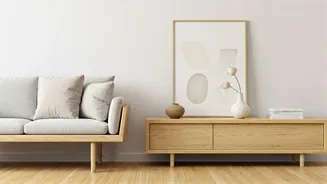
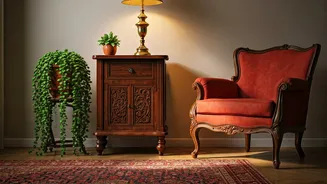
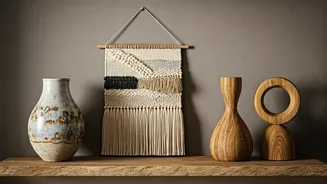
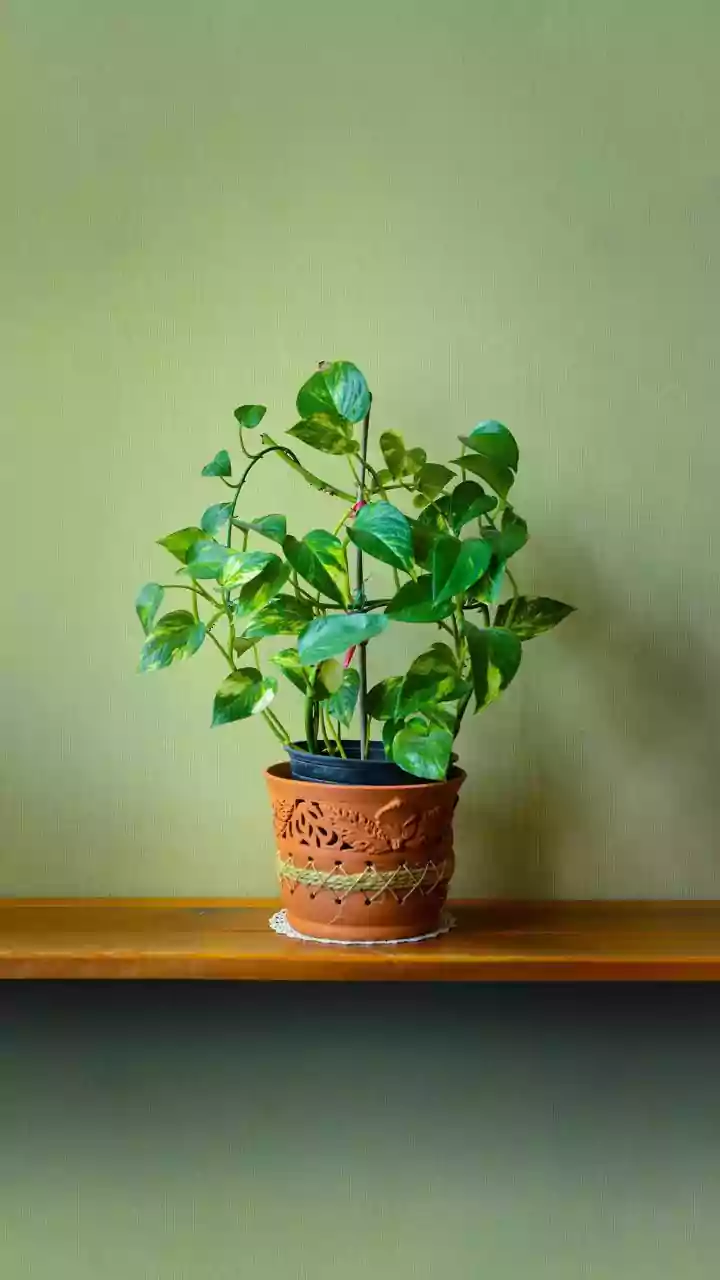
It’s less about the logo and more about the narrative, the maker, and the soul of an object. The ultimate flex is no longer owning what everyone else wants, but owning something no one else has: a hand-carved wooden bowl with its own unique grain, a hand-block printed quilt with charming imperfections, or a piece of pottery shaped by a local artisan. This is the move from conspicuous consumption to conscious curation, where the value lies in authenticity, craftsmanship, and the story woven into each piece.
Why Now? The Search for Meaning
This trend isn’t happening in a vacuum. It’s a direct response to a world of fast furniture and digital overload. After years of staring at screens and living in spaces that often felt impersonal, there’s a growing desire for tactile, grounding objects that feel real. The pandemic accelerated this, forcing us to spend more time at home and re-evaluate what makes a space truly feel like a sanctuary. The result is a pushback against algorithm-driven, cookie-cutter interiors that look good on Instagram but lack soul. Younger generations, particularly Millennials and Gen Z, are driving this change. They are seeking decor that reflects their values—sustainability, ethical production, and individuality. Choosing a handmade piece is a statement; it supports small businesses, reduces waste, and invests in quality that lasts.
A Return to Indian Roots
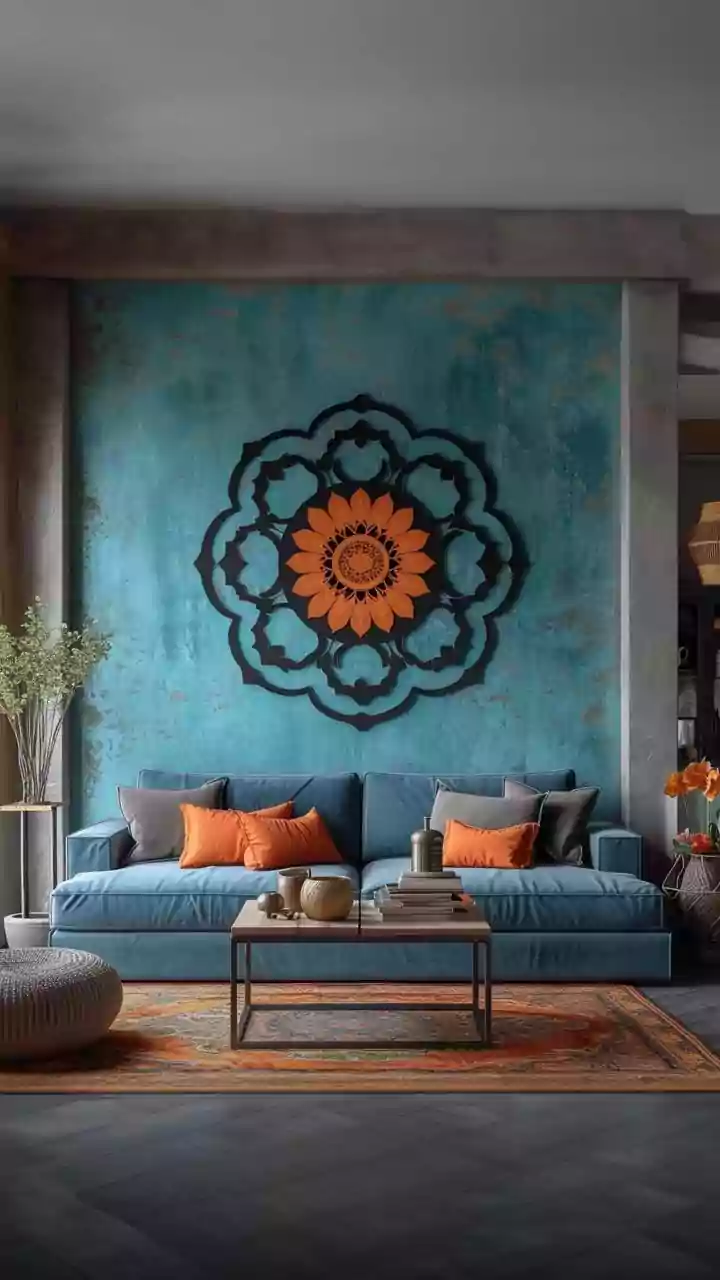
For India, this trend is also a homecoming. With a rich, centuries-old history of craftsmanship—from the intricate metalwork of Dhokra to the vibrant weaves of Banaras—handmade isn't a new concept, but its modern application is. Urban homeowners in cities like Mumbai and Bengaluru are rediscovering and reinterpreting these traditions for contemporary living. A single Madhubani painting can bring life to a minimalist wall, while handwoven Khadi textiles can add warmth and texture to a modern sofa. This isn’t about creating a museum-like ethnic space. It’s about a fusion, where heritage pieces are mixed with modern furniture to create a home that feels both global and deeply personal. Digital platforms have also made it easier than ever to connect directly with artisans, making these unique pieces more accessible and ensuring the artists are supported.
More Than an Object, It’s a Story
What truly sets a handmade object apart is its story. A machine-made item has a production line; a handmade one has a creator. It carries the memory of the hands that shaped it, the region it came from, and the tradition it represents. These are not flaws; they are markers of authenticity and character. This shift is part of the larger 'slow living' movement, which prioritizes quality over quantity and intention over impulse. A home filled with handmade pieces feels layered and evolved, a collection of stories gathered over time. Each object becomes a conversation starter, a connection to a person and a place. In a world saturated with sameness, that personal connection is the most valuable and luxurious thing of all.