

The New Brainstorming Partner
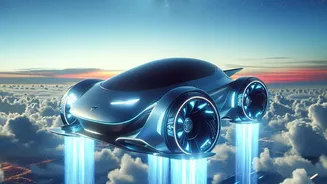
For many creators, the artistic process no longer starts with a blank canvas, but with a text prompt. AI image generators like Midjourney and DALL-E have become powerful brainstorming partners, allowing artists to rapidly visualize concepts that once took
hours or days to sketch. A photographer might test different lighting setups, a designer can cycle through dozens of logo concepts, and an illustrator can generate fantastical scenes to use as a jumping-off point. This isn't about accepting the first image the AI produces. Instead, it's a phase of rapid iteration, a dialogue where the creator guides the AI, refining prompts and exploring unexpected visual directions to spark new ideas. It’s a way to break through creative blocks and explore a wider range of possibilities before committing to a final direction.
From Raw Generation to Refined Art
A raw AI-generated image is rarely the final product. The real artistry begins when creators bring these outputs into traditional digital workshops like Adobe Photoshop. Here, the process becomes a fusion of old and new techniques. Artists might combine elements from multiple AI-generated images, repaint sections to add a specific style, or use generative fill tools to seamlessly extend a background or remove awkward artifacts. This hybrid approach, sometimes called "tradigital art," treats the AI output as a foundational layer—much like a preliminary sketch or an underpainting. The artist then applies their expertise in composition, color theory, and texture to transform the machine's suggestion into a polished, intentional piece of work.
The Crucial Role of Human Judgment
While AI is brilliant at generating visually coherent images, it lacks genuine understanding, context, and emotional intelligence. This is where human judgment becomes indispensable. An AI might create a technically perfect face, but the artist is the one who ensures it conveys the right emotion. The machine can generate a landscape, but the creator curates the mood and atmosphere. Artists act as the ultimate filter, deciding which AI-generated elements serve the story and which ones feel hollow or out of place. They correct the subtle anatomical errors, the strange lighting, and the general weirdness that often plagues AI images, ensuring the final piece resonates with human experience. In essence, the AI provides the raw material, but the human provides the soul.
An Assistant for Tedious Tasks
Beyond generating entirely new images, AI has become an incredibly efficient assistant for the more repetitive aspects of image editing. Tools powered by AI can now perform tasks that once required painstaking manual effort in seconds. This includes flawlessly removing backgrounds from portraits, automatically selecting and masking complex subjects like hair or skies, or enhancing the quality of low-resolution photos. For professional photographers and designers, this automation frees up valuable time. Instead of spending hours on tedious technical corrections, they can focus more on the creative aspects of their work—the color grading, the composition, and the overall narrative of the image. It's less about outsourcing creativity and more about offloading the grunt work.