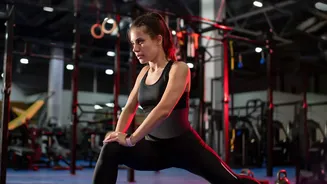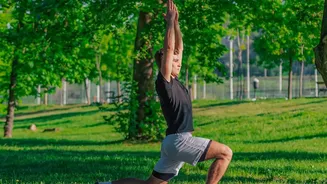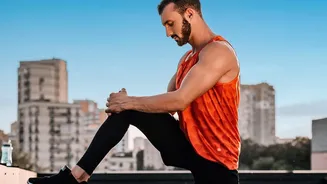






Why Go Low-Impact?
When you're new to exercise, your body needs time to adapt. High-impact activities like running can put significant stress on your knees, hips, and ankles. Low-impact exercise, on the other hand, minimizes that jarring force while still delivering fantastic
benefits. These movements strengthen the muscles that support your joints, improve flexibility, and boost cardiovascular health without the high risk of injury. This approach makes your new routine more sustainable, as you're less likely to be sidelined by pain or soreness, helping you stay consistent.
Beginner-Friendly Exercises to Try
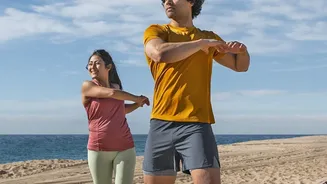
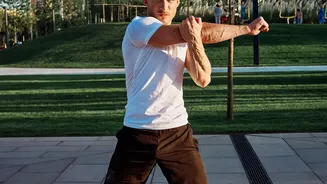
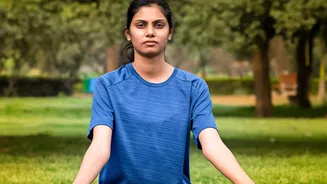
You don't need complicated equipment or intense classes to get started. Some of the most effective joint-friendly exercises are also the simplest. Walking is a great starting point; begin with 10-15 minutes on a flat surface and gradually increase your time and distance. Swimming and water aerobics are other excellent choices, as the water supports your body weight, removing almost all impact from your joints. Stationary cycling is another fantastic option that builds leg strength without stressing the knees. Finally, gentle yoga or tai chi can improve balance, flexibility, and core strength, which helps protect your entire body from strain.
The Science of Taking a Break
Many beginners believe that more is always better, but the real progress in fitness happens during rest. When you exercise, you create tiny, microscopic tears in your muscle fibres. This is a normal and necessary part of getting stronger. However, your muscles don't rebuild during the workout itself; they repair and grow during the recovery period afterward. Think of exercise as the stimulus for change and rest as the time when that change actually occurs. Without adequate rest, you are simply breaking down muscle without giving it a chance to heal and adapt.
How Your Body Gets Stronger During Rest
During recovery, your body gets to work. It initiates a cellular process to repair the damaged muscle fibres, fusing them together and forming new muscle protein strands. These repaired fibres increase in thickness and number, which is what leads to muscle growth and increased strength. Your body also replenishes its energy stores, specifically glycogen, which is the fuel your muscles use during exercise. Furthermore, crucial hormones that aid in repair, like growth hormone, are released primarily during deep sleep. This entire process is what allows you to return to your next workout stronger and more capable.
Active vs. Passive Recovery
Rest days don't always mean lying on the couch. There are two main types of recovery: passive and active. Passive recovery is complete rest from intense physical activity. Active recovery, on the other hand, involves low-intensity movement like a gentle walk, light stretching, or an easy swim. This light activity helps promote blood circulation, which can deliver more oxygen and nutrients to your muscles and help flush out waste products. For beginners, alternating workout days with active recovery days can be a great strategy to reduce stiffness without overstretching the body.
Are You Getting Enough Rest?
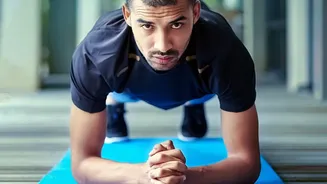
Overtraining is a real risk for enthusiastic beginners. Your body sends clear signals when it needs more recovery time. Persistent fatigue that doesn't improve with a good night's sleep is a major red flag. Other signs include a decline in your performance, prolonged muscle soreness that lasts for more than 72 hours, mood changes like irritability, or a lack of motivation to exercise. If you notice these signs, it's your body's way of telling you to take an extra rest day. Listening to these cues is essential for preventing injury and burnout.