



The 'Vrat-Friendly' Façade
The first step to healthier fasting is understanding that a “vrat-friendly” or “fasting-special” label does not automatically mean the snack is nutritious. While these products exclude prohibited ingredients like regular grains, onion, and garlic, they
can still be loaded with unhealthy fats, refined sugars, and excess salt. Many packaged fasting chips and mixtures are deep-fried in low-quality vegetable oils and contain preservatives that work against the body's detoxification process. The goal of fasting is to consume pure, light, and easily digestible foods, a principle that many processed snacks fail to uphold.
Decoding the Ingredient List: Order Matters
When you pick up a package, the first thing to check is the order of ingredients. Food labels list ingredients in descending order by weight. The first two or three ingredients make up the bulk of the product. If sugar, palm oil, or potato starch are listed first, you know the snack is high in empty calories and not the wholesome option you're looking for. A truly healthy snack will list whole foods like amaranth flour, buckwheat, peanuts, or makhana at the top of its list.
Choosing Wholesome Flours and Grains
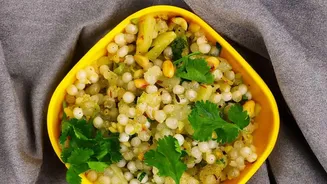
Navratri fasting relies on alternative flours. Look for snacks made primarily with nutrient-dense options like buckwheat flour (kuttu ka atta), amaranth flour (rajgira), and water chestnut flour (singhara atta). These are high in fibre, protein, and essential minerals. Be cautious of snacks that use refined starches or simply list 'potato' or 'sabudana' (tapioca) as the main ingredient, especially if the product is fried. While these are permitted, they offer quick carbs that can spike blood sugar without providing sustained energy or nutrients.
The Truth About Fats and Oils
Many packaged snacks, including those for fasting, are fried to achieve a crunchy, satisfying texture. The type of oil used is critical. Be wary of ingredient lists that mention 'vegetable oil,' 'palmolein,' or 'hydrogenated fats.' These are often unhealthy, processed fats that can cause inflammation. Snacks baked or roasted in healthier fats like ghee or groundnut oil are better choices. Ideally, opt for snacks that are naturally low in fat, like roasted makhana (fox nuts) or a simple mix of nuts and seeds.
Spotting Hidden Sugars and Sodium
Sweet and savoury snacks can be major culprits for hidden sugar and salt. In sweet snacks, sugar can be disguised under names like glucose syrup, fructose, dextrose, or maltodextrin. Natural sweeteners like jaggery or dates are healthier alternatives. For savoury snacks, the salt content can be surprisingly high. While rock salt (sendha namak) is used instead of table salt during Navratri, excessive amounts can still lead to bloating and water retention. Aim for snacks with minimal added sugars and a lower sodium footprint.
Beware of Additives and Preservatives
To extend shelf life and enhance flavour, many packaged snacks contain artificial colours, flavour enhancers (like MSG), and chemical preservatives such as sodium benzoate. These additives have no nutritional value and can interfere with the cleansing aspect of fasting. A shorter, more recognizable ingredient list is almost always a sign of a more natural and healthier product. When in doubt, the best option is to prepare simple snacks at home, where you control every ingredient.