

Most contact lens wearers know the golden rule: keep your lenses away from water. But why? This simple precaution is more than just a suggestion—it's a critical defence against serious, sight-threatening infections. Let's break it down.
How Water Changes Your Lenses
Think of a soft
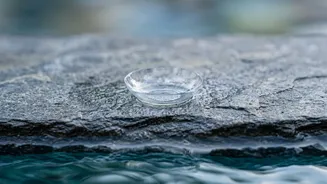
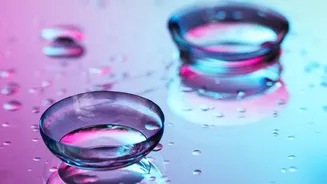
contact lens as a tiny, highly absorbent sponge. Its porous material is designed to stay moist and comfortable on your eye. When exposed to any kind of water—be it from the tap, a swimming pool, or the ocean—the lens can't tell the difference between it and your natural tears or cleaning solution. As a result, it soaks up the water, causing it to swell and change shape. This altered fit can make the lens uncomfortable and may cause it to stick to the surface of your eye. More dangerously, a warped lens can cause tiny scratches on your cornea, the clear outer layer of your eye, creating a perfect entry point for germs.
The Invisible Danger: Acanthamoeba
The single biggest reason to avoid water is a microscopic, free-living amoeba called Acanthamoeba. This organism is extremely common and can be found in virtually all water sources, including tap water, lakes, oceans, pools, and hot tubs. While generally harmless to most people, it poses a severe threat to contact lens wearers. The amoeba can latch onto the surface of a contact lens and become trapped against the eye. If it enters the cornea, often through the micro-scratches mentioned earlier, it can cause Acanthamoeba keratitis, a rare but excruciatingly painful infection that is very difficult to treat. In severe cases, it can lead to permanent vision loss or even require a corneal transplant.
Everyday Risks Beyond the Pool
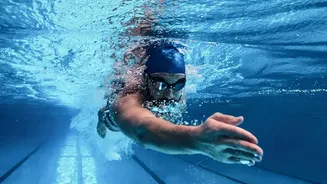
While most people associate this risk with swimming, the danger is present in many daily activities. The U.S. Centers for Disease Control and Prevention (CDC) and the FDA explicitly advise against exposing contacts to any water. This includes showering, bathing, and using a hot tub. Even rinsing your contact lens case with tap water instead of a proper disinfecting solution can introduce Acanthamoeba and other harmful bacteria. It's crucial to remember that chlorine in pools and hot tubs does not kill all pathogens, including the highly resistant Acanthamoeba. Hot tubs can be particularly hazardous as the warm water can encourage microbial growth.
Recognising the Signs of an Infection
If you've accidentally exposed your lenses to water, it's vital to know the warning signs of an infection like keratitis. Symptoms can often be mistaken for more common eye irritations but should never be ignored. Be on the lookout for unusual eye pain, which can sometimes be severe, along with significant redness and a feeling that something is in your eye. Other key symptoms include blurred vision, extreme sensitivity to light, and excessive tearing. If you experience any of these symptoms, you should remove your contact lenses immediately and contact your eye doctor as soon as possible. Prompt treatment is crucial to preventing long-term damage.
Best Practices for Safe Lens Wear
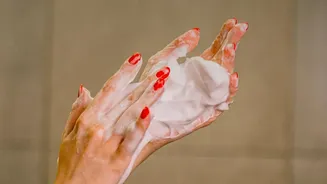
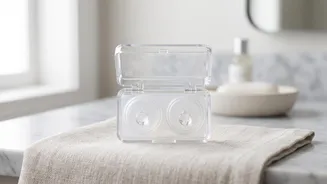
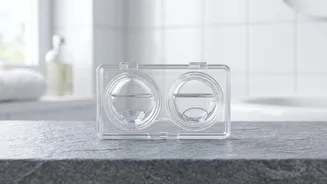
Preventing these serious issues comes down to following simple but strict hygiene rules. First and foremost, always remove your lenses before showering, swimming, or any activity that involves water. If you do get water on your lenses by accident, the CDC recommends removing them as soon as possible. If you wear daily disposables, throw them away immediately. If they are reusable lenses, you must clean and disinfect them thoroughly overnight before wearing them again. Always wash and dry your hands completely before handling your lenses, and only use fresh, commercially prepared contact lens solution to clean and store them—never tap water. Finally, replacing your lens case at least every three months helps reduce the buildup of dangerous germs.