

The Generation Driving Change
A recent nationwide survey confirms what many have observed: young and working professionals are at the forefront of a shared mobility revolution. The “Intercity Mobility Survey 2026” by IntrCity SmartBus, which polled over 13,300 people, found that this
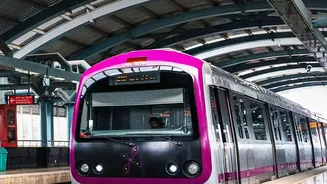
transformation is being led by those who travel most. Nearly three-quarters of the respondents were between 18 and 43 years old, with a majority being salaried professionals. The data indicates a clear behavioural shift; nearly half of those surveyed said all five of their most recent intercity journeys were made using shared options like buses or trains. This isn't a fleeting trend, either. A staggering 76% expect their use of shared mobility to increase over the next three years, signaling a long-term change in travel habits.
It’s Not Just About the Money
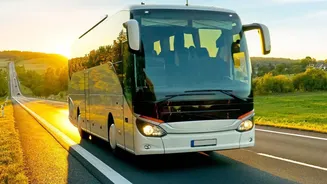
While affordability is a major draw, the survey reveals that the decision to share a ride goes far beyond just saving a few rupees. When asked to choose a mode of transport for a journey of 400-600 km with identical costs, nearly 70% of respondents preferred a premium shared bus over a personal car, train, or even a flight. This surprising statistic highlights a growing emphasis on the overall travel experience. Today's young travellers are value-conscious, not just cost-conscious. In fact, over 71% said they are willing to pay more for services that guarantee better safety, comfort, and reliability. This suggests that shared mobility is no longer seen as a compromise but as a preferred choice for a superior journey.
The Three Cs: Comfort, Convenience, and Connectivity
The core drivers of this trend can be boiled down to comfort, convenience, and connectivity. Modern shared mobility, especially premium bus services, has redefined what it means to travel between cities. Passengers now expect and receive amenities that were once luxuries. The survey found that improved comfort and onboard facilities were a key reason for 43% of users. The convenience of avoiding the stress of a long drive was another major factor, cited by over 40% of respondents. This is particularly true for car owners, with over 30% stating they own a car but deliberately choose not to drive it for intercity trips. They are trading the hassles of traffic, tolls, and fatigue for a relaxed, stress-free journey where they can work, stream, or simply rest.
Technology in the Driver's Seat
Underpinning this entire shift is technology. Digital platforms have made booking, tracking, and paying for shared travel seamless and secure. An overwhelming 82% of travellers said technology is very important to their travel experience. The ability to easily book tickets online, coupled with features like live tracking and digital access, was a key factor for 42.5% of respondents. This digital ecosystem not only provides convenience but also builds trust. Safety remains the top consideration for travellers when choosing a service, ranking just above affordability. While safety concerns are also cited as the biggest barrier to wider adoption, technology-led features like verified drivers, real-time monitoring, and customer support are helping operators build the confidence needed to win over more passengers.
An Experience Over Ownership Mindset
This trend is part of a larger global shift, particularly among younger generations, from an 'ownership' to an 'experience' economy. Why own a car, with all its associated costs and responsibilities, when you can access a comfortable, convenient, and affordable ride with just a few taps on your phone? The survey data clearly shows this changing mindset, where the experience of the journey is valued more than the status of owning a personal vehicle. This preference for access over ownership is not only reshaping the transport industry but also has positive implications for reducing congestion and lowering carbon emissions, steering India towards a more sustainable transport future.