







An Annual Spectacle From Halley's Comet
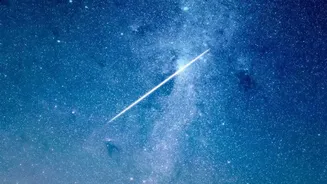
The Orionid meteor shower is an annual celestial event that occurs when Earth passes through the dusty trail left behind by the famous Halley's Comet. While the comet itself only graces our skies once every 76 years, its debris field gives us this beautiful
yearly display. The meteors are known for being particularly fast and bright, sometimes leaving persistent, glowing trails in their wake. NASA considers it one of the most beautiful showers of the year, framed by the bright stars of the late-year sky. The name 'Orionids' comes from the fact that the meteors appear to radiate from a point near the constellation Orion, the Hunter.
Mark Your Calendar: The Best Time to Watch in 2026
The key to catching any meteor shower is timing. The Orionids are active from early October to early November, but the peak is when you'll see the most activity. For 2026, the peak nights are expected to be October 21 and 22. The best viewing window will be in the hours after midnight and before dawn. There's a slight complication this year: a bright, waxing gibbous moon will be in the sky during the early part of the night. However, the moon is predicted to set a few hours before dawn, creating a perfect dark window to watch for meteors. So, instead of a late night, plan for an early morning—set your alarm for around 3 a.m. for the best possible show.
No Telescope? No Problem.
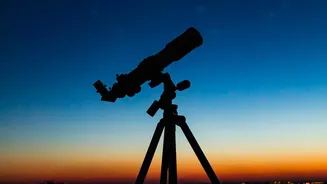
The best part about this experience is its simplicity. Heavy optics like telescopes are not only unnecessary but are actually counterproductive for meteor showers. A telescope narrows your field of view, while the goal is to see as much of the sky as possible. The only equipment you truly need is your eyes and a bit of patience. To make the experience more comfortable, consider a reclining chair or a thick blanket to lie on. Crating your neck for an hour is a surefire way to ruin the fun. A warm drink in a flask and dressing in layers is also a wise move for those pre-dawn hours.
Transform Your Balcony Into an Observatory
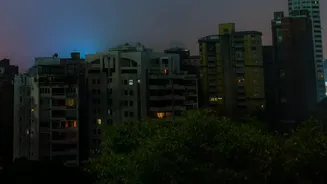
Your urban balcony can be a surprisingly effective viewing station. The first step is to tackle light pollution, the biggest challenge for city stargazers. Turn off all the lights on your balcony and in the adjacent rooms. If possible, hang a dark blanket or sheet to block light from a neighbour's window or a nearby streetlamp. Choose the darkest corner of your balcony, preferably one that is shielded from direct light sources. The next crucial step is to let your eyes adapt to the darkness. This can take 20 to 30 minutes, so put your phone away. The bright screen will reset your night vision instantly, making it much harder to spot the fainter meteors.
Patience and Where to Look
Once you're settled and your eyes have adjusted, the waiting game begins. Under ideal dark-sky conditions, the Orionids can produce about 15 to 20 meteors per hour. In a city, this number will be lower, so managing expectations is key. You might see a meteor every few minutes, or you might have a quiet spell followed by a couple in quick succession. While the meteors radiate from the constellation Orion, you shouldn't stare directly at it. Meteors seen near the radiant point will have very short trails. For the best views of long, dramatic streaks, look about 45 to 90 degrees away from Orion, taking in a wide swath of the sky. Simply lie back, look up, and let the show come to you.