







Why You Need a Home Manual
Leaving your home in someone else's care, whether a professional house-sitter, a friend, or a family member, comes with a hint of anxiety. Did you explain the alarm system properly? Will they remember the pet's feeding schedule? A household manual, sometimes
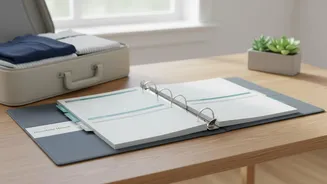
called a house binder, eliminates this stress by consolidating every piece of important information into one accessible document. It’s a single source of truth for your home. It empowers your house-sitter to handle any situation with confidence, from a minor issue like a tripped circuit breaker to a more urgent problem. For you, it means fewer worried calls or texts while you're away. Investing an hour or two to create this guide is a small price for total peace of mind, transforming your vacation from a good one into a great, worry-free one.
Start with Emergency Contacts
The first and most critical section of your manual should cover all emergency scenarios. This information needs to be clear and easy to find. Start with your own contact details, including your mobile number and the best way to reach you while traveling. Also, provide an itinerary if possible. Next, list essential local services: the numbers for the police, fire department, and local clinic or hospital. Include the contact information for a trusted neighbor or nearby friend who can assist in a pinch. If you have pets, the vet's number, address, and clinic hours are non-negotiable. Finally, list your preferred plumber, electrician, and any other repair services you trust. Having these numbers ready saves precious time and prevents panic in a genuine emergency.
Detailing Your Home's Quirks
Every home has its unique personality and eccentricities. What seems obvious to you can be a mystery to a newcomer. This section is for demystifying your home's daily operations. Start with the basics: the Wi-Fi network name and password, written clearly. Explain the security system, including alarm codes and how to arm and disarm it. Show the location of the circuit breaker and the main water shut-off valve. Do you have a tricky lock on the back door or a window that sticks? Write it down. Other useful details include trash and recycling collection days and where to put the bins. Instructions for the thermostat or air conditioning are also helpful to ensure both comfort and energy efficiency. Think through a typical day in your home and document the small things you do automatically.
Instructions for Appliances and Electronics
Modern appliances can be notoriously complex. To avoid a flurry of texts asking how to get the coffee machine to work, provide simple, step-by-step instructions for key devices. This might include the television and its various remotes, the washing machine and its preferred settings, or the dishwasher. You don't need to include the full manufacturer's manual, just a few bullet points on the most common functions. For example: "To watch Netflix, use the black remote, press the 'Source' button, and select HDMI 2." This small effort prevents frustration for your sitter and ensures they can use your home's amenities comfortably and correctly.
Caring for Pets and Plants
If you have pets, this will be the most important section of your manual. Be incredibly detailed. For each pet, list their feeding schedule, food type, and portion sizes. Note their walking routine, where their lead and harnesses are kept, and any behavioral quirks, such as not being allowed on the sofa. Medication instructions should be precise, detailing the dosage, time, and method of administration. It's also helpful to describe their personality—are they shy with strangers? Do they love a particular toy? For plants, a simple schedule for watering is all that's needed. For example: "Water the indoor ferns twice a week; the outdoor pots need water daily if it's hot."
Making Your Sitter Feel Welcome
A thoughtful manual goes beyond just instructions; it also serves as a welcome guide. Include a short section with local information. Recommend a few of your favourite local cafes, restaurants, or takeaway spots. Note the location of the nearest grocery store, pharmacy, and park. If you're leaving a car for them to use, include any relevant details. It’s also courteous to clear some space in a closet and a few drawers for their belongings. These small gestures show your appreciation and help the sitter feel more at home and less like a temporary caretaker, fostering a better experience for everyone.