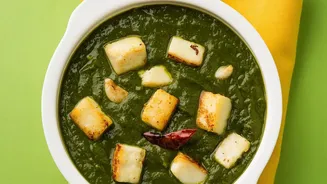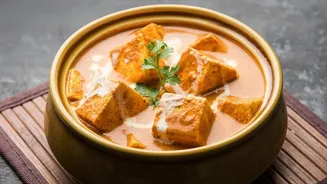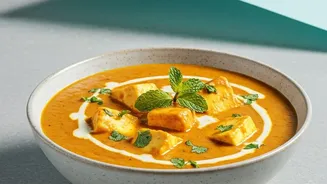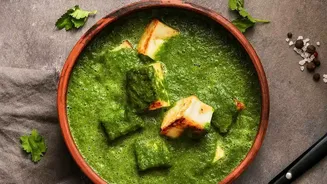


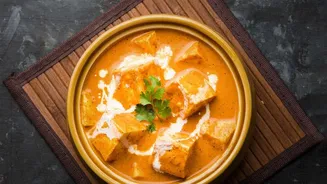
It's a common kitchen frustration: you cook a beautiful paneer dish, but the star ingredient turns out firm, dry, or rubbery. Here’s how to get that coveted soft, melt-in-your-mouth texture using simple methods you can try today.
The Golden Rule: A Warm Water Soak
The single most effective
and widely used technique to soften paneer is soaking it in warm water. Whether your paneer is store-bought or homemade, this trick works wonders. Simply cut your paneer into cubes and place them in a bowl of warm—not boiling—water for 15 to 20 minutes before you plan to use them. This process rehydrates the paneer, which may have lost moisture during refrigeration or manufacturing, making it noticeably softer and more absorbent for gravies. For paneer that is especially dense or has been frozen, this step is crucial to reviving its texture.
To Fry or Not To Fry
Frying paneer can give it a delicious golden crust, but it’s also where many home cooks go wrong. The key is to fry it briefly over medium to high heat. Cooking it for too long, especially on a low flame, draws out moisture and makes the proteins tighten, resulting in a chewy texture. For an even better result, try the fry-and-soak method. After lightly frying the cubes until they are pale golden, transfer them directly into a bowl of warm water. Let them soak for about 10 minutes. This technique gives you the best of both worlds: a slightly firm exterior that holds its shape and a tender, juicy interior.
Mastering Your Gravy
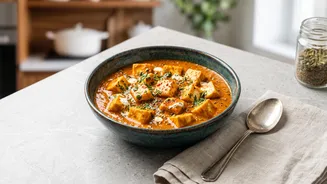
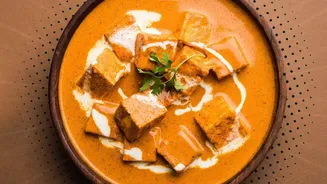
Timing is everything when adding paneer to a curry. One of the biggest mistakes is adding it too early. Paneer doesn't need a long time to cook; it only needs to be heated through. If left to simmer in a gravy for 10-15 minutes, even the softest paneer will become firm and rubbery. The professional approach is to add the paneer cubes during the last one to two minutes of cooking. Simply stir them into the finished gravy, cover the pot, and turn off the heat. The residual heat will be more than enough to warm the paneer while keeping it perfectly soft.
If Making Paneer from Scratch
For those who make their own paneer, achieving a soft texture starts from the very beginning. The type of milk matters; full-cream milk will yield a softer paneer than low-fat versions due to its higher fat content. When curdling the milk, add your acid (like lemon juice or vinegar) gradually after reducing the heat from a full boil. Adding too much acid too quickly can cause the milk proteins to seize, leading to tough curds. Furthermore, don't press the paneer for too long or with excessive weight. A pressing time of 30-45 minutes is usually sufficient to create a block that holds its shape without becoming overly dense.
A Few Extra Tips
Beyond the main techniques, a few other habits can make a difference. Marinating paneer in yogurt, cream, or milk along with spices before cooking can add both flavour and softness. The gentle acidity and fat in the marinade help to tenderize the cheese. When storing leftover paneer, keep it in an airtight container filled with water and refrigerated. This helps it retain moisture and stay fresh for a couple of days. If you take it straight from the fridge, a quick soak in warm water is always a good idea to restore its soft texture before cooking.