







The Daily Crush: A System Under Strain
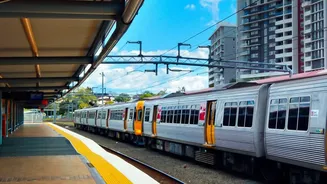
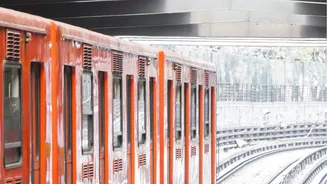
Mumbai’s suburban railway is often called the city's lifeline, but for its more than 7.5 million daily commuters, it can feel more like a pressure cooker. Trains running at 'super-dense crush-load' capacity are a common sight, with punctuality and comfort
often compromised. A key reason for this immense pressure is that the same tracks are used by suburban local trains, long-distance passenger express trains, and slower, heavier goods trains. This mixed traffic creates bottlenecks, slows down the entire system, and limits the number of local services that can be run, especially during peak hours.
A Separate Path for Goods
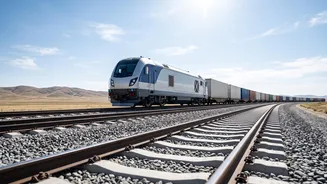
Enter the Dedicated Freight Corridor (DFC), a transformative project by Indian Railways nearly two decades in the making. The network consists of two main arteries: the Eastern DFC and the Western DFC (WDFC). The 1,506-km WDFC, which stretches from Dadri in Uttar Pradesh to Jawaharlal Nehru Port (JNPT) in Navi Mumbai, is the game-changer for the city. Inaugurated in September 2026, the WDFC provides a high-speed, high-capacity, exclusive railway line just for freight trains. By design, it separates goods traffic from passenger traffic, tackling the root cause of much of the network's congestion.
Unlocking Mumbai's Tracks
The logic is simple yet profound: every freight train that moves from the existing shared network onto the new WDFC frees up valuable space and time on Mumbai's local lines. With freight trains no longer competing for track access, Indian Railways gains the operational flexibility it has long needed. This 'decongestion' effect allows the railway authorities to focus on what matters most to commuters: running more passenger trains. The removal of slower goods trains is expected to significantly improve the fluidity of the entire suburban system, reducing delays caused by signal holds and platform unavailability.
More Services, Better Punctuality
The most tangible benefit for Mumbaikars will be an increase in the frequency of local train services. Freed-up track capacity means the Mumbai Railway Vikas Corporation (MRVC) and zonal railways can introduce hundreds of new services, slashing the time commuters have to wait on platforms and distributing the passenger load more evenly. This, coupled with other upgrades like new AC local rakes and improved signalling, is part of a broader strategy to enhance the commuting experience. Furthermore, with fewer interactions with freight trains, the punctuality and reliability of suburban services are expected to see a marked improvement.
A Double Win for Commuters and the Economy
While the benefits for Mumbai's commuters are direct and personal, the WDFC's impact is far broader. The corridor is a massive economic force multiplier. It allows freight trains to run at speeds up to 100 kmph and carry double-stacked containers, drastically cutting transit times and logistics costs between the industrial north and Mumbai's ports. One double-stack train can carry the cargo equivalent of over 250 trucks. This efficiency boost is expected to lower India's overall logistics costs, making industries more competitive and strengthening the country's position in the global supply chain. It's a rare example of an infrastructure project that delivers a win-win: a smoother, faster journey for daily commuters and a more efficient, cost-effective backbone for the national economy.