

A Proactive Push for More Trains
Indian Railways is getting ahead of the curve by announcing a record number of 'Festival Special' trains. Unlike previous years which saw last-minute additions, the national transporter has notified thousands of additional services well in advance, with
some running over a continuous 90-day period from September through early December 2026. This strategy is designed to provide passengers with more predictable travel options and reduce the frantic 'waitlist scramble' that defines festival travel. The booking window for the peak Diwali period, which falls on November 8, 2026, opened in early September, prompting authorities to urge passengers to plan their journeys early.
Focus on High-Demand Routes
The bulk of these special services will target the country's busiest travel corridors. Expect to see enhanced connectivity between major metropolitan hubs like Delhi, Mumbai, and Bengaluru and destinations across Uttar Pradesh, Bihar, West Bengal, and Punjab. Routes such as Delhi-Patna, Mumbai-Lucknow, Bengaluru-Kolkata, and Delhi-Gorakhpur are perennial hotspots for festive traffic and are receiving special attention. For instance, Northern Railway has announced dozens of trips for services like the Varanasi-Delhi Festival Special Express and the Ayodhya Cantt-Anand Vihar train to cater to the rush. Similarly, special services have been announced for the Ganapati festival, connecting Mumbai with the Konkan region.
Crowd Management at Stations
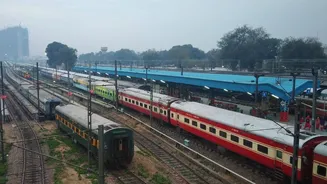
Managing the sheer volume of people at major stations is a critical challenge. To prevent overcrowding and potential stampedes, the Railway Protection Force (RPF) is deploying additional personnel at key stations. Their focus will be on managing queues, especially for heavily crowded trains, and ensuring orderly movement across platforms and foot-over-bridges. In coordination with local police and Government Railway Police (GRP), the RPF will also increase surveillance, with round-the-clock monitoring from CCTV control rooms. Some stations are creating designated holding areas to manage passenger flow, only allowing ticketed travelers onto platforms to ease congestion.
How Cities Are Supporting the Surge
The effort extends beyond railway premises. Major cities are implementing coordinated plans to manage traffic and assist travelers. This includes deploying traffic police to regulate vehicle movement and enforce no-parking zones around busy railway stations to prevent gridlock. In some cities, public transport authorities are scheduling late-night bus services from major terminals to help passengers with their onward journey after arriving on late-night trains. Helpline booths and medical posts are also being set up at the busiest hubs to provide information and emergency assistance.
Tips for a Hassle-Free Journey
While authorities are taking steps, travelers can also make their journey smoother. The most crucial tip from experts is to book tickets as soon as the 60-day reservation window opens. Using features like the 'Master List' on the IRCTC platform to pre-save passenger details can save precious seconds during booking. If you don't get a confirmed ticket, don't lose hope. Monitor your PNR status regularly, as many waitlisted tickets get confirmed closer to the travel date. Also, be flexible; consider traveling a day or two before the peak festival date or look for trains to nearby, less-crowded stations and complete your journey via another mode of transport.