

What Exactly Is the Harvest Moon?
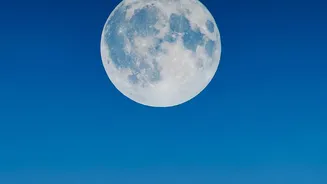
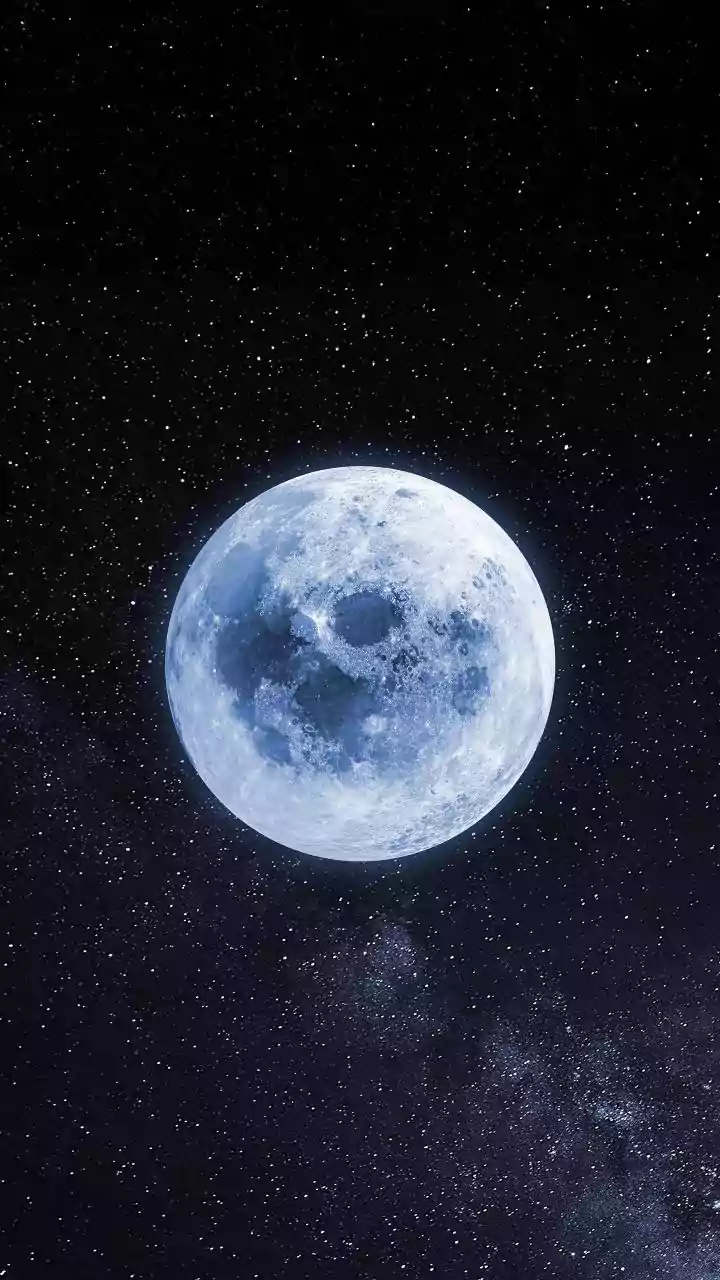
The Harvest Moon is the name given to the full moon that occurs nearest to the autumnal equinox, which marks the start of autumn in the Northern Hemisphere. While many full moons have traditional names, the Harvest Moon is unique because its title is tied
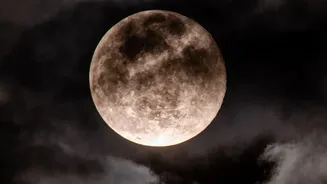
to an astronomical event rather than a specific month. In 2026, the September full moon earns this title. The name itself comes from a time before electricity, when farmers depended on the moon's bright light to work late into the night, gathering their crops before the first frost. This celestial event became a symbol of abundance and the successful culmination of the growing season.
When and How to See It in September 2026
Mark your calendar for Saturday, September 26, 2026. The moon will officially reach its peak fullness in the afternoon for viewers in India, but the real show begins that evening. The best time to watch is just after sunset, as the moon begins to rise above the eastern horizon. For several consecutive nights around this date, you’ll notice the moonrise time is unusually consistent, occurring only about 20-30 minutes later each evening, as opposed to the usual 50-minute delay. This provides an extended period of bright moonlight in the early evening, a key feature that originally aided farmers.
Why It Looks So Special
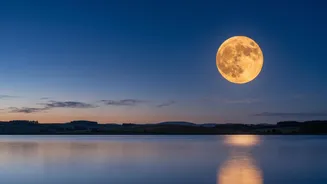
As the Harvest Moon climbs above the horizon, you might notice two things: it appears surprisingly large and glows with a warm, orange or golden hue. The colour is a real physical effect caused by Earth's atmosphere. When the moon is low in the sky, its light travels through more of the atmosphere, which scatters the shorter, blue wavelengths and allows the longer, red and orange wavelengths to pass through to your eyes. The perceived large size, however, is a fascinating trick of the mind known as the "Moon Illusion." When you see the moon near terrestrial objects like trees or buildings, your brain compares them and perceives the moon as being much bigger than when it's high in the sky with nothing to reference.
A Simple Guide for Anyone
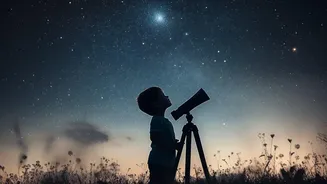
The best part about watching the Harvest Moon is its simplicity. You don't need a fancy telescope or expensive gear. The most important step is to find a viewing spot with a clear view of the eastern horizon, away from the glare of city lights if possible. A park, an open field, or even a rooftop can be perfect. Give your eyes about 15-20 minutes to adjust to the darkness; this will help you see the moon's features more clearly. While your naked eye is more than enough to enjoy the view, a pair of binoculars can offer a more detailed look at the lunar surface. On the nights around the 26th, look for the planet Saturn, which will be visible as a bright, star-like object near the moon.
A Connection to Culture and Seasons
Observing the Harvest Moon connects us to a long history of human skywatching. Across cultures, this full moon is a time of celebration and gratitude. In India, the full moon nearest the equinox is celebrated as Sharad Purnima, a festival marking the end of monsoon and the bounty of the harvest. It is often associated with preparing Kheer and letting it soak in the potent moonlight, which is believed to have healing properties. By taking a moment to watch the Harvest Moon, you are participating in a tradition that has tied humanity to the rhythms of nature for centuries, reminding us of the changing seasons and the cycles of the cosmos.