







The Gut-Health Glow-Up
Not long ago, conversations about fibre were confined to its ability to promote regular bowel movements. [7, 10] Today, the narrative has completely changed. On social media platforms like TikTok, hashtags like #GutHealth and #Fibremaxxing are exploding,
with billions of views. [21, 25] This isn't just about avoiding constipation anymore; it's about pursuing a holistic sense of well-being that starts in the gut. [22] This cultural shift has propelled fibre from a functional, unglamorous nutrient into the wellness spotlight. [25] Consumers are increasingly connecting what they eat with how they feel, not just physically but mentally, and science is backing them up. [18]
More Than Just Regularity
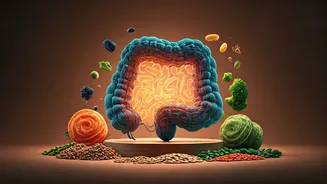
The science behind fibre's newfound fame lies in our gut microbiome—the trillions of bacteria and other microbes living in our digestive system. [3, 9] This complex internal ecosystem is now understood to be a control centre for our overall health. [11] While our bodies can't digest fibre on their own, the beneficial bacteria in our gut can. [4, 5] They ferment it, producing beneficial compounds like short-chain fatty acids (SCFAs). These compounds nourish the colon wall, support the immune system, help control blood sugar and cholesterol, and may reduce the risk of chronic diseases like cardiovascular disease and certain cancers. [2, 16, 9] Furthermore, the 'gut-brain axis'—the constant communication between your gut and your brain—links a healthy microbiome to better mental health, potentially influencing mood and reducing symptoms of anxiety and depression. [1, 6, 8]
From Bran to Boutique
As consumer interest has skyrocketed, the market has responded with a wave of innovation. [25] High-fibre is no longer synonymous with bland or boring. Food and beverage companies are launching products that wear their fibre content as a badge of honour. [24] Think chic prebiotic sodas that have become viral sensations, colourful fibre powders designed to be shown off in smoothies, and a proliferation of snacks, breads, and cereals with high-fibre claims. [25] This trend reflects a broader consumer desire for 'functional foods'—products that offer health benefits beyond basic nutrition. [23] The global digestive health market was valued at over $100 billion in 2023, and it's projected to grow significantly, proving that the fibre 'flex' is also big business. [22]
How to 'Flex' Your Fibre
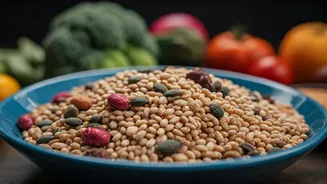
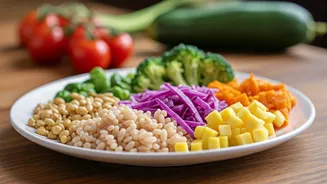
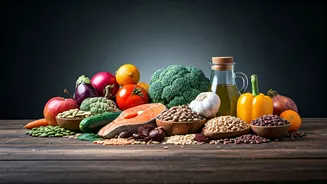
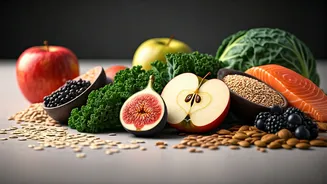
Joining the high-fibre trend doesn't require a radical diet overhaul or expensive supplements. It's about making smarter, more conscious choices. The goal for adults is to aim for about 30g of fibre per day. [20] The key is variety, as different types of fibre have different benefits. [14] Soluble fibre, found in oats, beans, apples, and carrots, dissolves in water to form a gel, which can help lower cholesterol and blood sugar. [10] Insoluble fibre, found in whole grains and vegetables, adds bulk to stool and helps food pass more quickly through the digestive system. [10] You can boost your intake by swapping white bread for wholegrain, adding beans or lentils to soups and salads, snacking on fruits and nuts, and incorporating seeds like chia or flax into your breakfast. [20] The most effective approach is to slowly increase your intake to give your gut time to adjust, and remember to drink plenty of water. [17]