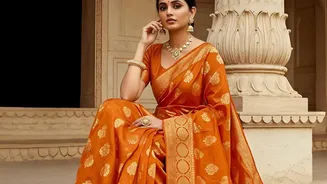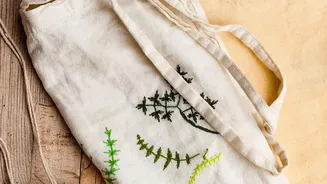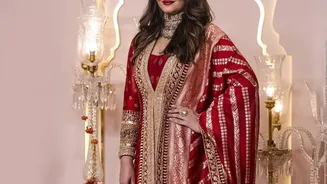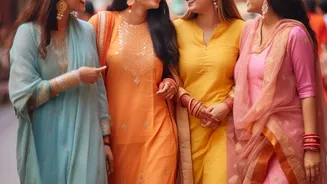

As another wedding season approaches, so does the familiar pressure to find new outfits. But what if the most stunning look is already in your closet? Enter upcycling: the trend transforming vintage sarees into bespoke, sustainable occasionwear.
A Trend With Heart and History
The practice
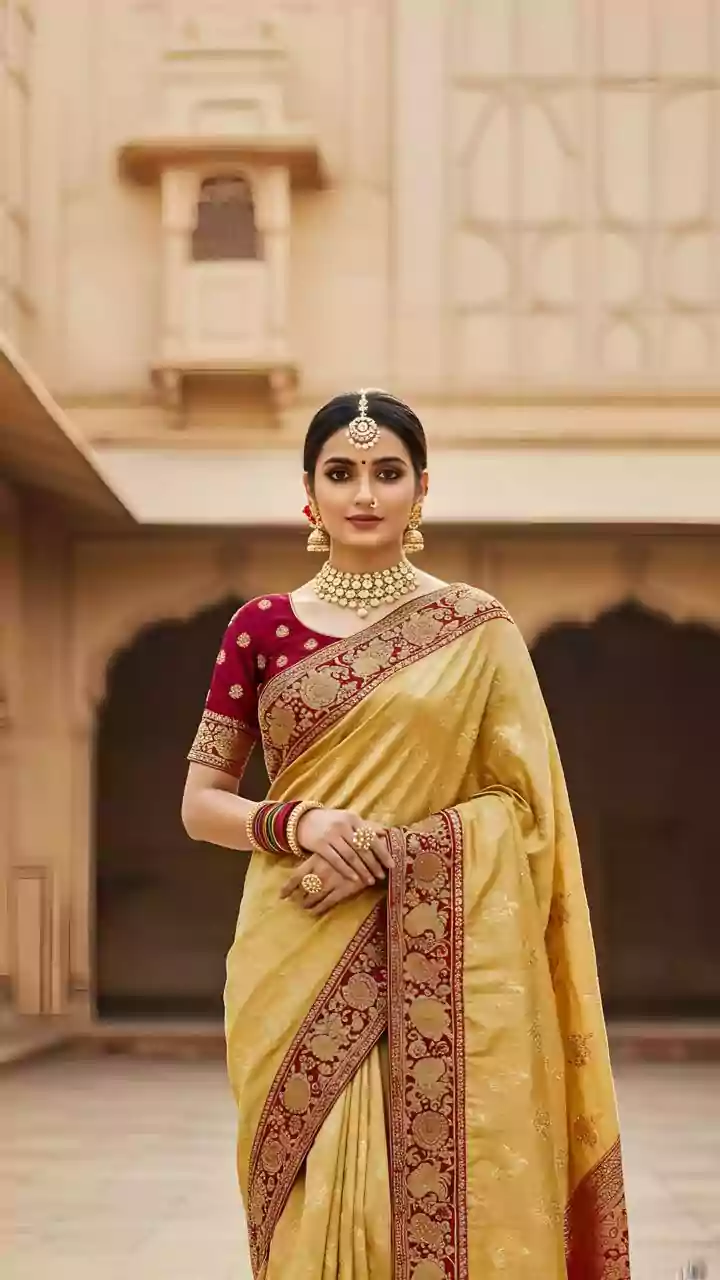
of reusing old garments is a tradition in many Indian households, born from practicality and respect for textiles. Now, it has elegantly pirouetted into the mainstream wedding scene, driven by a desire for sustainability, individuality, and emotional connection. Upcycling isn't just recycling; it's about elevating an existing item, preserving its history and fabric while giving it a new form and purpose. Transforming a mother’s wedding Banarasi or a grandmother’s Kanjeevaram into a contemporary outfit is more than a fashion choice; it’s about weaving personal history into a new celebration. This conscious approach to fashion reduces textile waste and creates one-of-a-kind pieces that tell a story no brand-new garment ever could.
The Creative Transformation Process
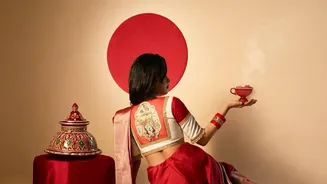
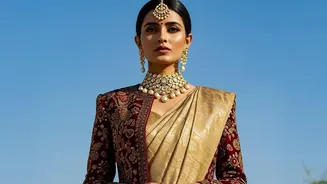
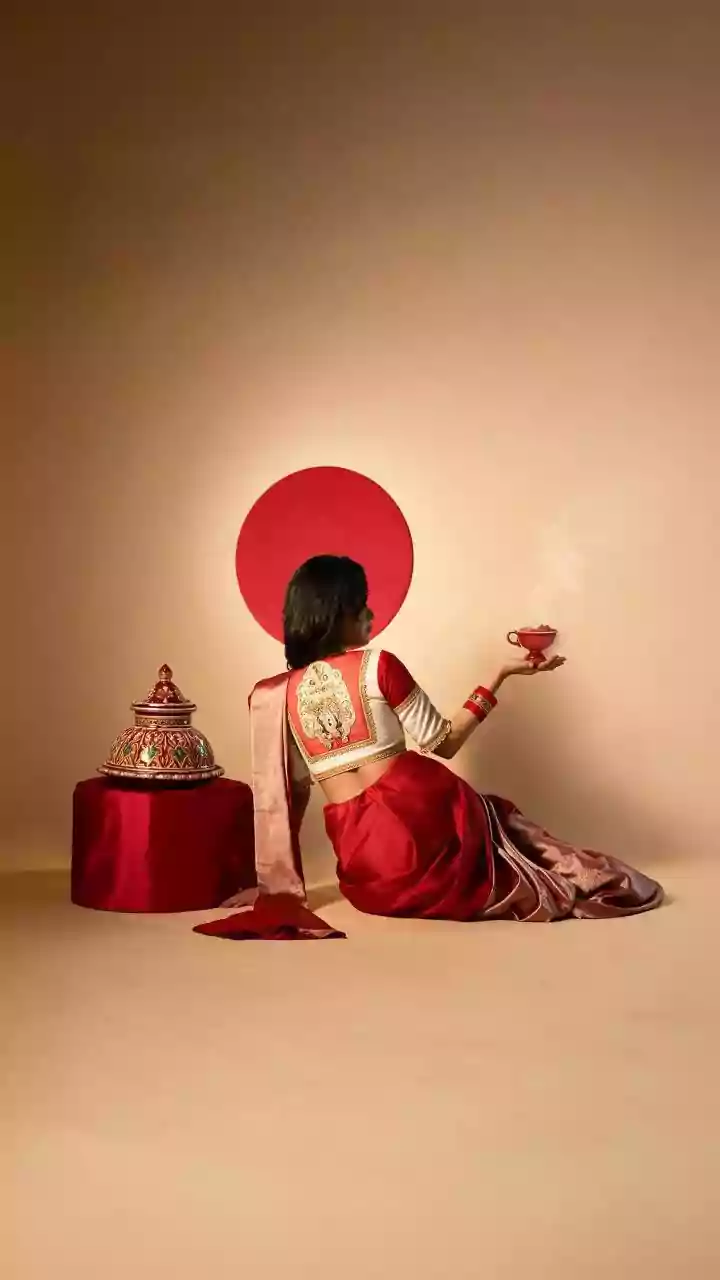
So, how does a six-yard drape become a chic, modern ensemble? The process begins with carefully selecting the right saree. The fabric's condition is key, but so is its potential. A heavily embroidered pallu might become the statement bodice of a gown or the back of a jacket, while the simpler body of the saree forms the rest of the outfit. Designers and skilled tailors can transform these fabrics into an array of modern silhouettes. Popular conversions include turning heavy silks into structured lehenga skirts, flowing anarkalis, or sharp sharara sets. Lighter sarees like chiffon or georgette are perfect for creating breezy kaftans, wrap dresses, or contemporary co-ord sets. The saree's borders can be repurposed as elegant details on necklines, cuffs, or even as belts, ensuring no part of the precious textile goes to waste.
Beyond a Single Event: The Power of Rewearability
One of the most significant advantages of upcycled occasionwear is its inherent rewearability. Unlike a heavy, single-use bridal lehenga, these reimagined outfits are designed for life beyond one event. By breaking the saree down into separates, you create a far more versatile wardrobe. A brocade lehenga skirt made from a vintage saree can be paired with a simple silk shirt for a friend's sangeet or a crisp white blouse for a festive dinner. A crop top crafted from a rich pallu can be worn with high-waisted trousers or even jeans for a chic fusion look. This mix-and-match potential drastically lowers the 'cost-per-wear' and aligns with a more mindful approach to consumption, where you buy fewer, better pieces. The goal is to create clothes that can be styled differently for various occasions, giving them a longer and more cherished life in your wardrobe.
Finding Your Upcycling Partner
The idea is inspiring, but execution is everything. To begin your upcycling journey, start by seeking out designers or boutique tailors who specialize in repurposing Indian textiles. Many now offer custom services, working with clients to transform their family heirlooms into wearable art. When you consult with a professional, be clear about your personal style and how you envision wearing the final piece. A good designer will know how to honour the original fabric while adapting it to a modern cut that flatters you. They can advise on what silhouettes will work best with the fabric's weight and drape—for example, turning a Banarasi into a structured jacket or a soft Chanderi into a flowy dress. Don’t be afraid to think beyond clothing; leftover fabric can become beautiful potli bags, cushion covers, or even framed art.